What Is “Mad Honey Hunting”?
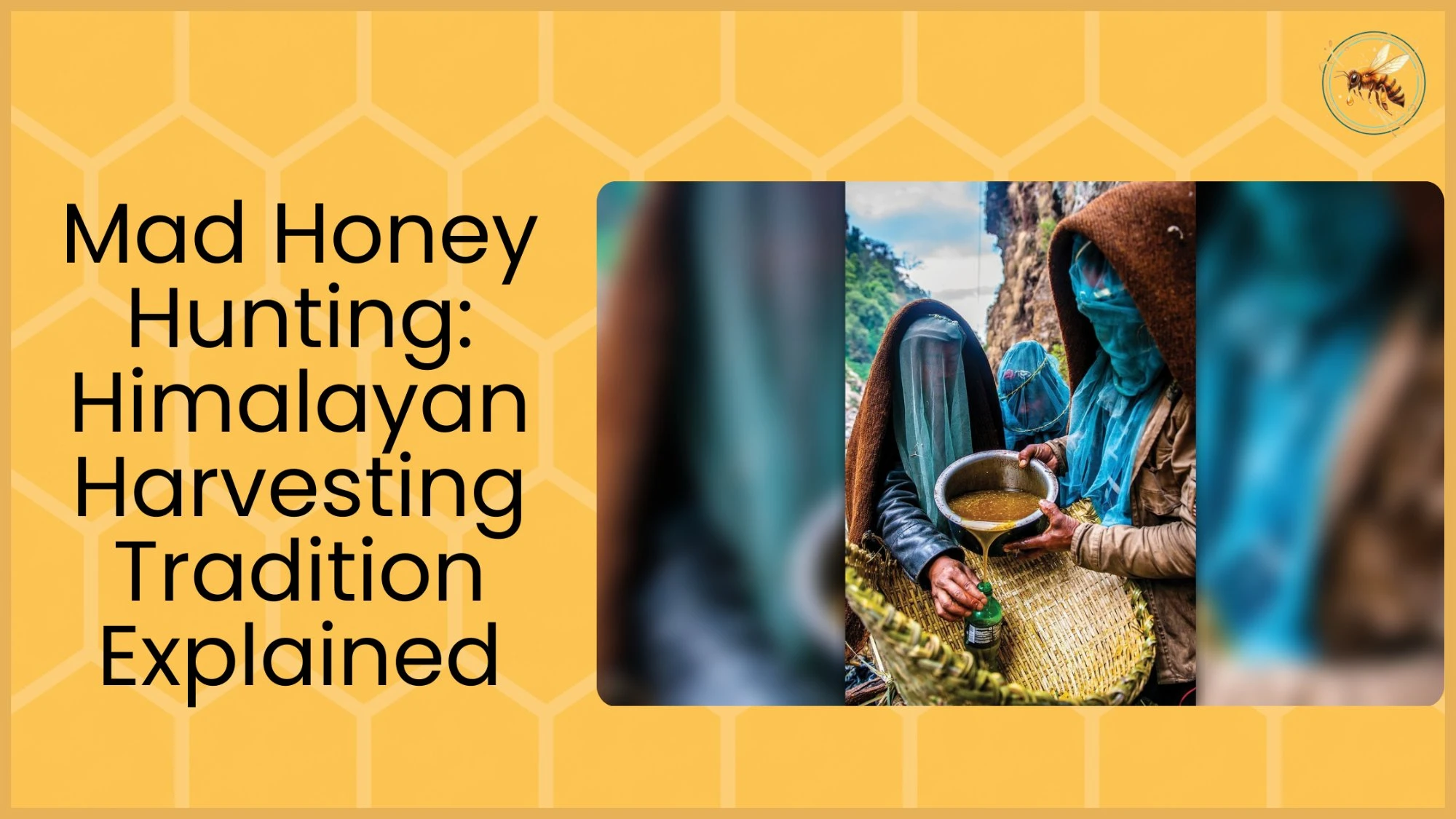
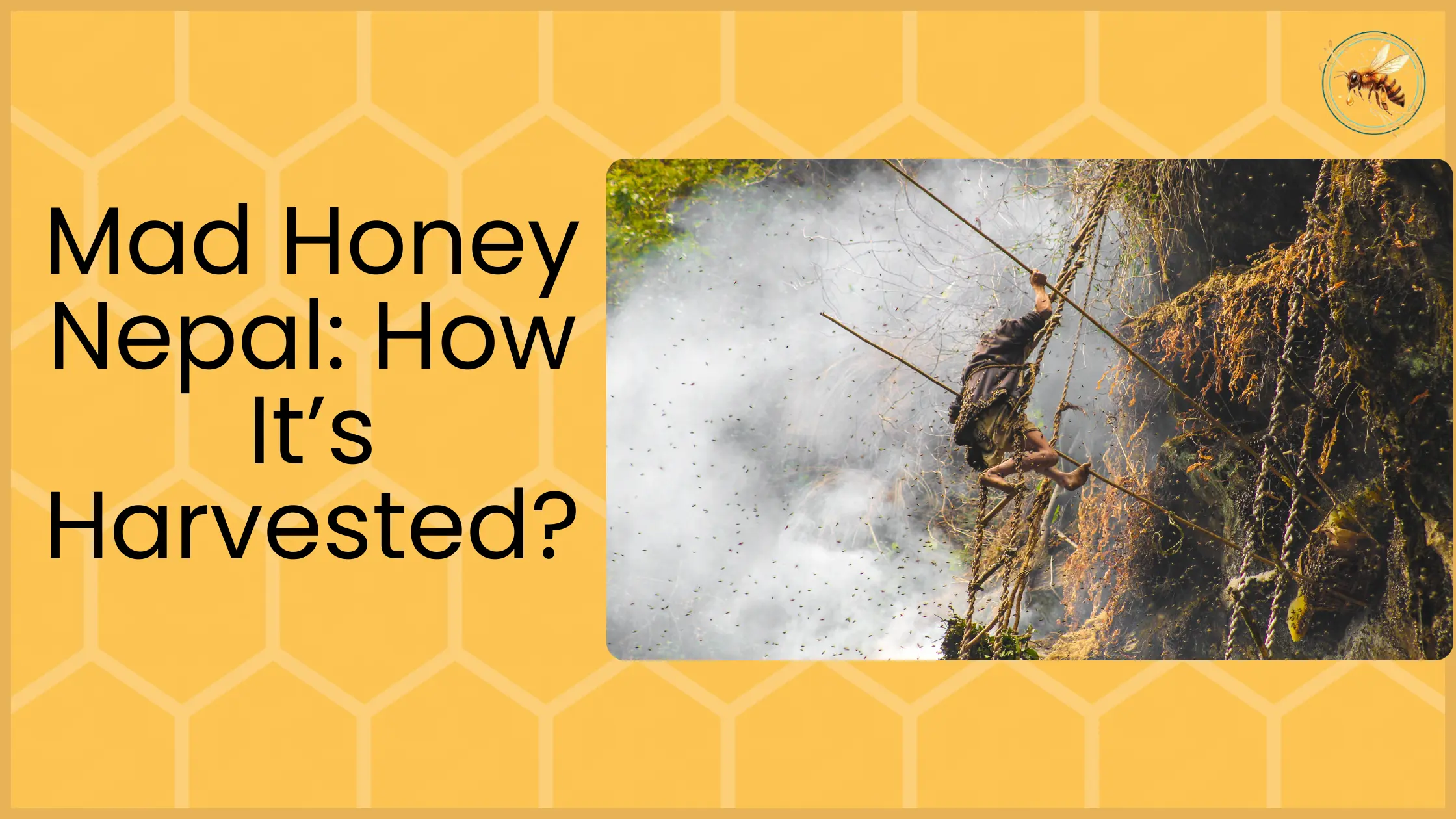
Mad honey hunting refers to collecting honey from wild cliff hives, often in rugged mountainous areas, rather than harvesting from neatly managed apiaries. The word “hunting” is used because the honey isn’t “produced on a farm” in the way most people imagine honey production. It’s located, approached, and collected in conditions where nature, not the beekeeper, sets the rules.
To understand what you’re seeing in documentaries and viral videos, it helps to separate three things people mix up online:
First, there’s bee farming (beekeeping), where humans manage hives in boxes, often near villages or fields. Second, there’s a general wild honey collection, which can happen in forests and other landscapes. Third, and most specific, is Himalayan cliff harvesting, where honey is collected from large combs attached to cliff faces. That third category is what most people mean when they say “mad honey hunting.”
Why it’s called “hunting” (wild collection, not farming)
“Hunting” doesn’t mean chasing bees. It means the honey is not guaranteed. The combs may be accessible one season and impossible the next. The weather can cancel a harvest day. The hive location may change. The team may decide the risk isn’t worth it. In other words, it’s a practice shaped by uncertainty, skill, and restraint.
Where it happens (high-level regions)
The Himalayan cliff-harvesting tradition is most strongly associated with Nepal’s hill and mountain regions, where steep terrain and seasonal flowering patterns create the conditions for this kind of wild collection. Not every “Himalayan” label online means Nepal, and not every Nepal honey is cliff-harvested, but Nepal is the cultural anchor most people are referencing when they talk about dramatic cliff harvesting.
Why the internet often confuses this with “wild honey”
Because “wild honey” is a broad term, sellers sometimes use it as a shortcut for “exotic” or “rare.” But cliff-harvested mad honey is a specific tradition with a specific ecology and workflow. Treating it as generic wild honey misses the point, and it also makes it easier for low-transparency sellers to borrow the story without proving origin.
Who Are the Mad Honey Hunters?
To make sense of the practice, you have to zoom out from the person on the rope and see the community role behind the harvest. In Nepal, honey hunting is often described as a traditional craft supported by a team of people who know the cliffs, the bees, the season, and the risks.
Gurung honey hunters (community role + craft)
Many stories and documentaries connect this practice with Gurung communities, who are often portrayed as keeping the tradition alive through knowledge passed down across generations. What matters here isn’t romanticizing a single group, it’s recognizing that this work is embedded in local culture, not a tourist stunt.
Skills and roles (rope handlers, smokers, collectors)
Even in a high-level explanation, one thing becomes obvious: cliff harvesting is not a solo act. You have the climber/collector, but also the people managing ropes, preparing the site, coordinating timing, handling containers, and supporting safe movement. The team structure exists because risk multiplies when someone is suspended over a cliff with bees swarming and wind shifting.
How knowledge is passed down
Local knowledge is not just “how to climb.” It includes reading weather, recognizing hive conditions, understanding the landscape, and knowing when not to harvest. That last part is rarely emphasized online, but it’s one of the most important markers of a responsible tradition: restraint is part of the craft.
The Cliff Harvest Process (Step-by-Step, High-Level)
This section explains what happens without turning it into a “how-to.” The goal is clarity, not encouragement. Mad honey hunting is dangerous; the right takeaway is respect, not imitation.
Before any harvesting happens, a team typically identifies where combs are located and whether the day’s conditions are suitable. Then they prepare equipment and coordination plans, because once someone is on a rope, the margin for error is small.
Locating combs and preparing the site
Cliff Combs isn’t “waiting neatly.” They’re part of a living landscape. Preparation includes assessing access points, setting rope anchors, and planning where honey will be collected and moved. This is also where tradition meets practicality: the process is shaped by what the terrain allows.
Using smoke (why, and what it does)
Smoke is commonly used in many honey collection traditions because it helps reduce aggressive bee behavior and allows the team to work. That said, smoke doesn’t make the situation “safe.” It’s one tool used in a context where bees, wind, and gravity remain the dominant forces.
Rope descent and comb cutting
The most iconic image is the collector descending toward combs and working quickly. The key point for readers is not technique, it’s exposure. The person on the rope is dealing with height, movement, limited stability, bees, and time pressure. It’s a high-risk environment even when everything goes right.
Collection and transport
Once the comb is collected, it has to be moved back to a safe area. This is where the team effort becomes more visible: the process doesn’t end with cutting honey; it ends when the honey is handled, transported, and prepared for whatever happens next.
What happens immediately after harvesting (basic handling)
At a basic level, harvested comb may be drained, strained, or separated depending on tradition and practical needs. Handling choices can affect consistency and clarity. Some batches may be more waxy or particulate, others more filtered; this isn’t inherently “good or bad,” but it does contribute to variability that buyers notice.
Why It’s So Dangerous (And Why It Still Happens)
A lot of people assume the danger is exaggerated in the video. In reality, the danger is structural: cliffs don’t care about content.
Height + weather conditions
Steep terrain is a constant. Weather is the variable that can turn “hard” into “unpredictable.” Wind, rain, and fog change visibility and stability. Even small shifts can matter when someone is suspended.
Bee aggression and exposure
Cliff harvesting often involves large combs and intense bee activity. Stings are part of the risk profile, and the combination of stings plus height plus heat plus exertion can compound stress on the body.
Equipment limitations
This isn’t an industrial operation with redundant safety systems. Tools and setups vary, and even good equipment doesn’t erase the environment’s inherent danger. That’s part of why the tradition remains rare and why yields can be limited.
The trade-off: rarity, income, and tradition
So why continue? For some communities, it’s part of cultural identity and seasonal rhythm. For others, it’s also an income source tied to a product that outsiders value precisely because it’s rare. That creates a tension: rarity increases demand, demand increases pressure, and pressure can threaten sustainability if the system isn’t respected.
Seasonality: When Mad Honey Hunting Happens
If you want to understand why mad honey varies, you have to understand seasonality. The timing of harvest matters because flowering cycles and nectar availability influence what the bees collect.
Spring harvest vs autumn harvest (what changes)
In simple terms, different seasons can bring different nectar profiles. Spring is often associated with dramatic flowering periods in mountainous regions, while later harvest windows can reflect a different blend of available flowers. This doesn’t mean one season is “always stronger,” it means the inputs change, so the output can change.
Why yields vary year to year
Weather patterns, bloom intensity, and ecological shifts can alter how much honey is available and how accessible it is. That’s another reason cliff-harvested mad honey can never behave like a standardized commodity. It’s closer to a seasonal, limited agricultural product, except it’s harvested from the wild under high risk.
How seasonality can influence taste and effects
Seasonality can change taste because nectar sources shift. And for mad honey, seasonality can also matter because the “mad” reputation is tied to certain nectar inputs in certain conditions. That’s why a responsible product story emphasizes variability instead of promising a guaranteed experience.
(Internal link fit: /science/why-mad-honey-varies-by-batch/.)
What Makes This Honey “Mad”?
After the culture and process, readers naturally ask: What makes mad honey different from regular honey?
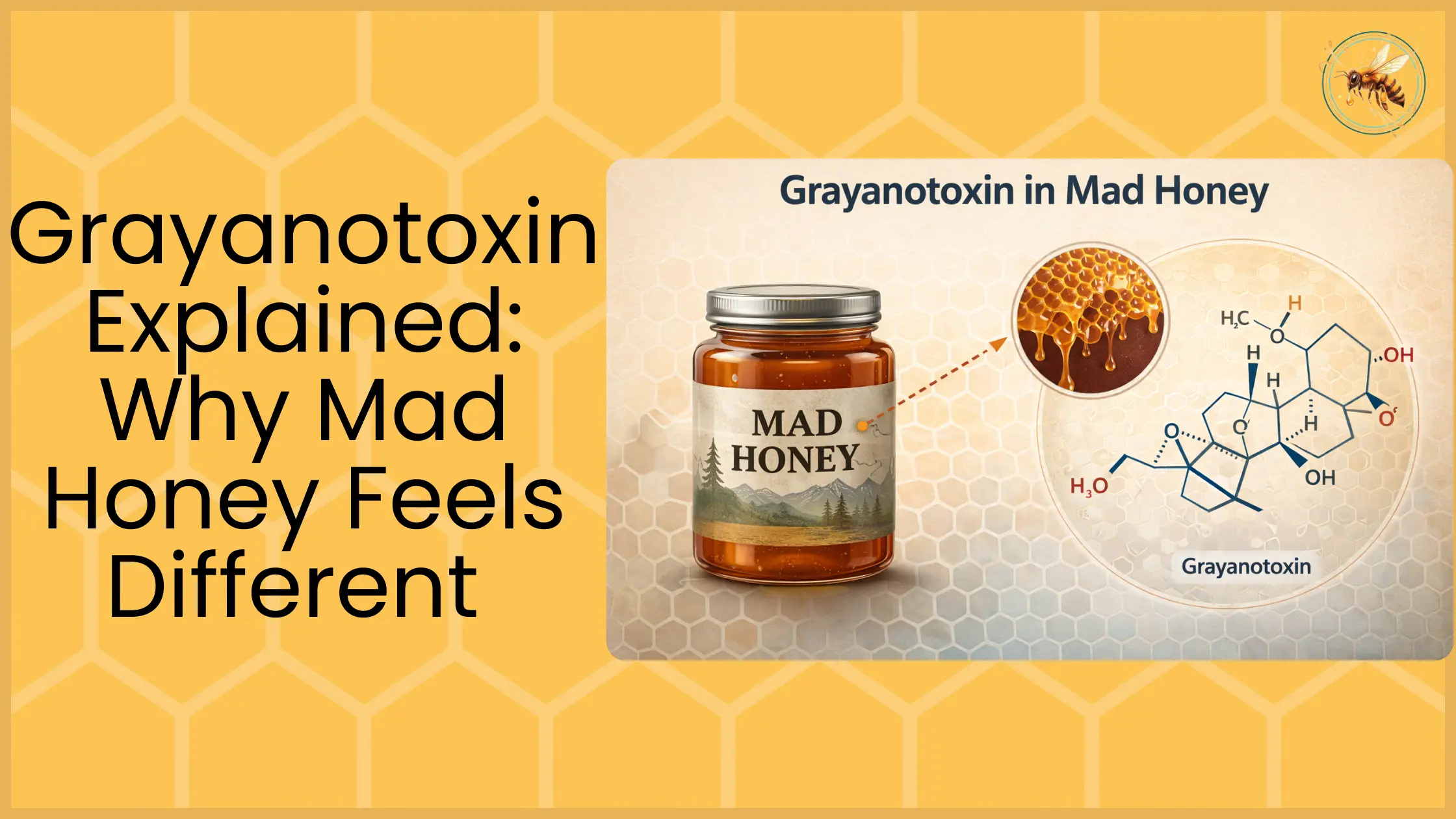
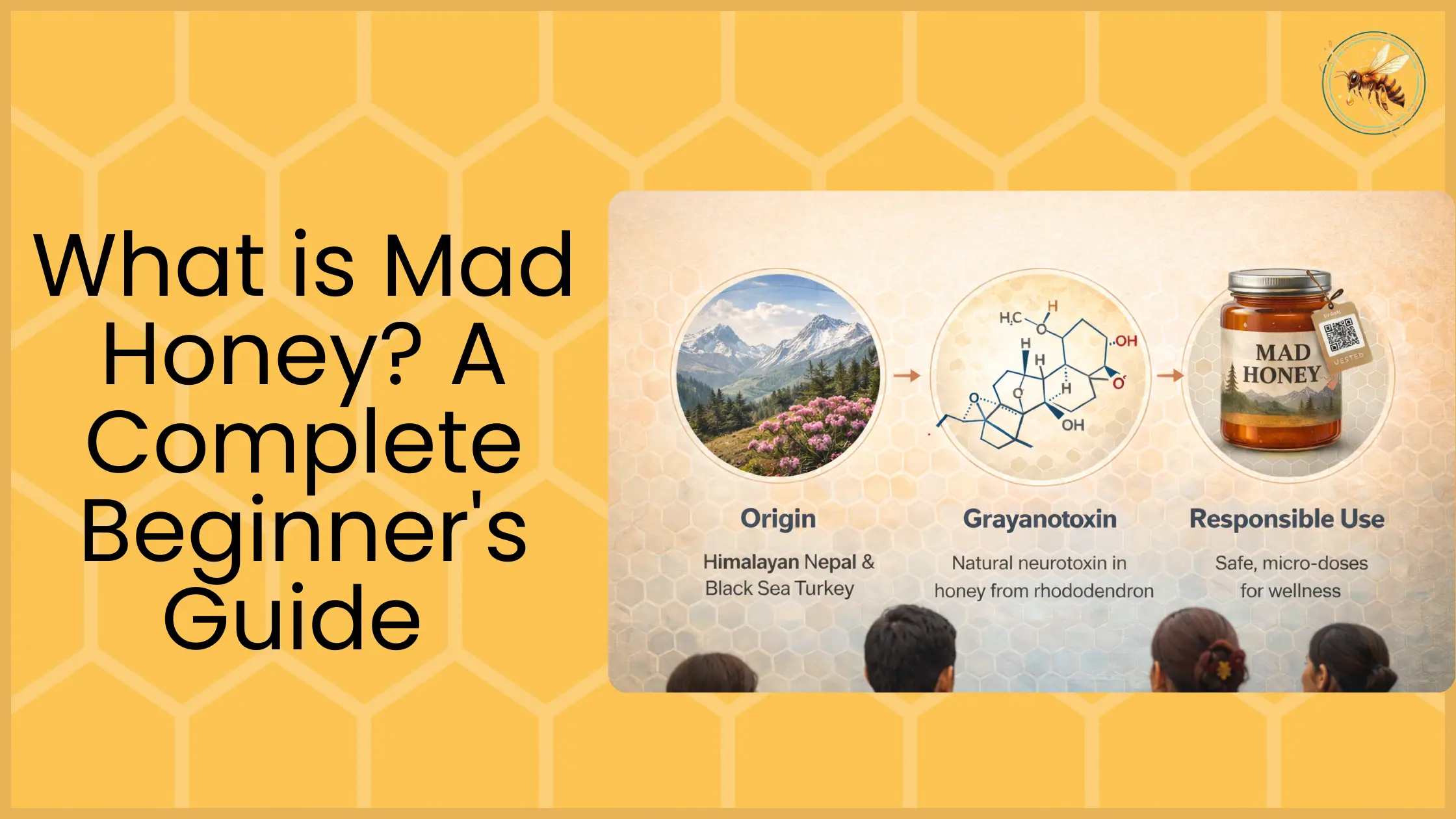
The most grounded explanation is that in certain regions and seasons, bees collect nectar that can contain grayanotoxins linked to some rhododendron species. Those compounds are associated with noticeable, dose-dependent physiological effects in humans.
Rhododendron nectar and grayanotoxins (high-level)
You don’t need to treat this like a chemistry lecture to understand the core idea: some plants produce compounds that can affect the body; those compounds can enter honey through nectar; and the result can be honey with unusual effects at higher intakes.
Why batch strength varies (region + season + nectar mix)
Not every jar is the same, and not every “Himalayan” label means the same thing. Region, altitude, bloom cycles, and nectar mixtures all influence what ends up in the jar. That’s why responsible sellers avoid absolute promises, and why buyers should treat dose as the control lever.
Ethics & Sustainability of Mad Honey Hunting
This is the section that separates respectful curiosity from extractive consumption. If the tradition is dangerous and seasonal, then the ethical questions aren’t optional; they’re central.
Sustainable harvesting concerns
When demand rises, pressure rises. If harvesting becomes rushed, careless, or overly frequent, it can harm local ecosystems and undermine long-term viability. Ethical sourcing starts with acknowledging that a rare product can be damaged by scale-chasing.
Fair compensation and middlemen
A major risk in any “exotic origin” product category is the middleman problem: outsiders profit while communities receive little. Buyers can’t fix global supply chains alone, but they can reward transparency and fair practice by choosing sources that are clear about how they work with local harvesters.
How buyers can support ethical sourcing
Ethical support looks less like chasing the “strongest” jar and more like choosing sellers that provide origin transparency, explain variability honestly, and treat the product as a cultural and seasonal harvest, not a gimmick.
What transparency looks like (origin, batch info, responsible guidance)
If you’re trying to buy responsibly, look for signs that the seller is willing to be specific: where it’s sourced, how it’s handled, how batches are identified, and what conservative guidance is provided. Transparency is also a safety feature: a seller who includes clear dosing caution and realistic expectations is generally more trustworthy than one who sells pure hype.
Mad Honey Hunting vs “Turkish Deli Bal”
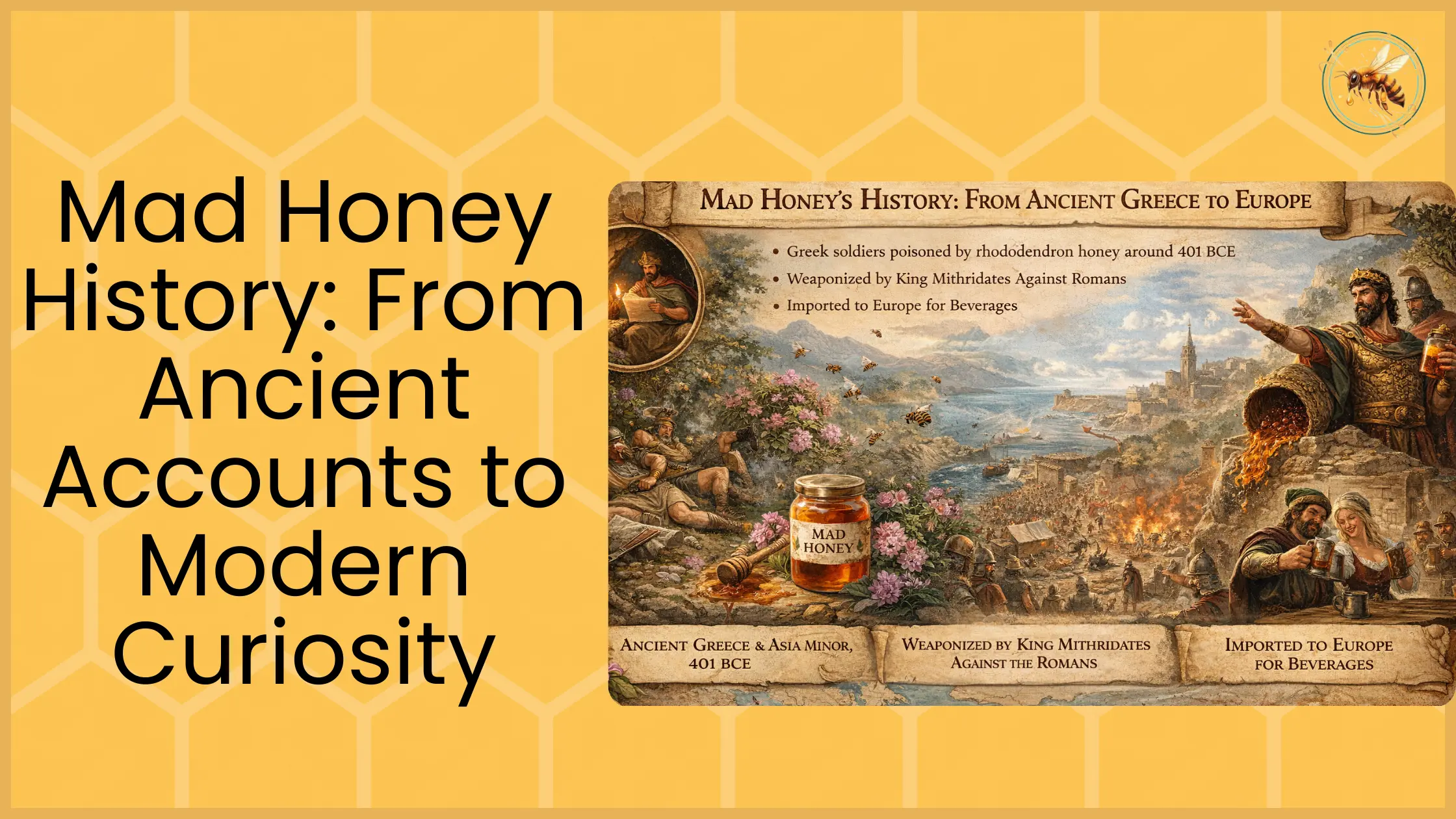
People often assume all mad honey is one thing. It isn’t. One useful comparison is Nepal’s cliff-harvest tradition versus Turkey’s “deli bal” context, both linked to rhododendron-related nectar, but shaped by different geography, traditions, and narratives.
Different regions, similar rhododendron link
Turkey’s Black Sea region is often discussed in historical and clinical contexts, while Nepal is often discussed in cultural documentary contexts. The shared thread is the plant/honey chemistry connection, not a single universal product.
Why “Himalayan” is not a generic label
“Himalayan” gets used loosely online because it sounds premium and mysterious. But it should mean something specific. Treating it as a generic label opens the door to misrepresentation, because sellers can borrow the romance without proving origin.
Conclusion
Mad honey hunting is best understood as a cultural tradition and a high-risk seasonal harvest, not a stunt and not a shortcut to a guaranteed experience. The cliffs, the bees, the timing, and the community knowledge are what make the practice rare, and that rarity is exactly why the internet loves to exaggerate it.
If you’re interested in mad honey, the most respectful approach is to keep the story grounded: appreciate the tradition, avoid sensational claims, and prioritize ethical buying, transparent origin, and conservative use.
FAQs on Mad Honey Hunting
Is mad honey hunting legal?
Legality depends on local rules and how products are sold and marketed internationally. The important point is that “legal” doesn’t automatically mean “risk-free,” and responsible sellers focus on transparent sourcing and conservative guidance.
Do people still do it today?
Yes, this is not only an ancient story. It continues in some communities, although visibility has increased because of documentaries and viral media.
Is the honey always stronger in spring?
Not reliably. Season can influence nectar profiles and variability, but “always stronger” is the kind of simplification that fuels hype rather than truth.
Is it dangerous for the bees?
Any wild harvest raises sustainability questions. Responsible practice and restraint matter, and the long-term health of ecosystems should be part of the conversation, not an afterthought.
How do I know honey actually came from Nepal?
Taste, color, and “red” labels aren’t proof. The best signals are origin transparency, batch identification, and credible sourcing documentation, plus a seller that educates rather than sensationalizes.
Is mad honey hunting the same as bee farming?
No. Cliff harvesting is a wild collection under difficult conditions, while beekeeping is managed hive production. They’re different worlds.