Can You Bring Honey Home? Customs Rules for Travelers, by Country
What the official rules say about honey in your luggage in 20 countries, plus leaving Nepal and Turkey, with limits, sources and the date we checked.
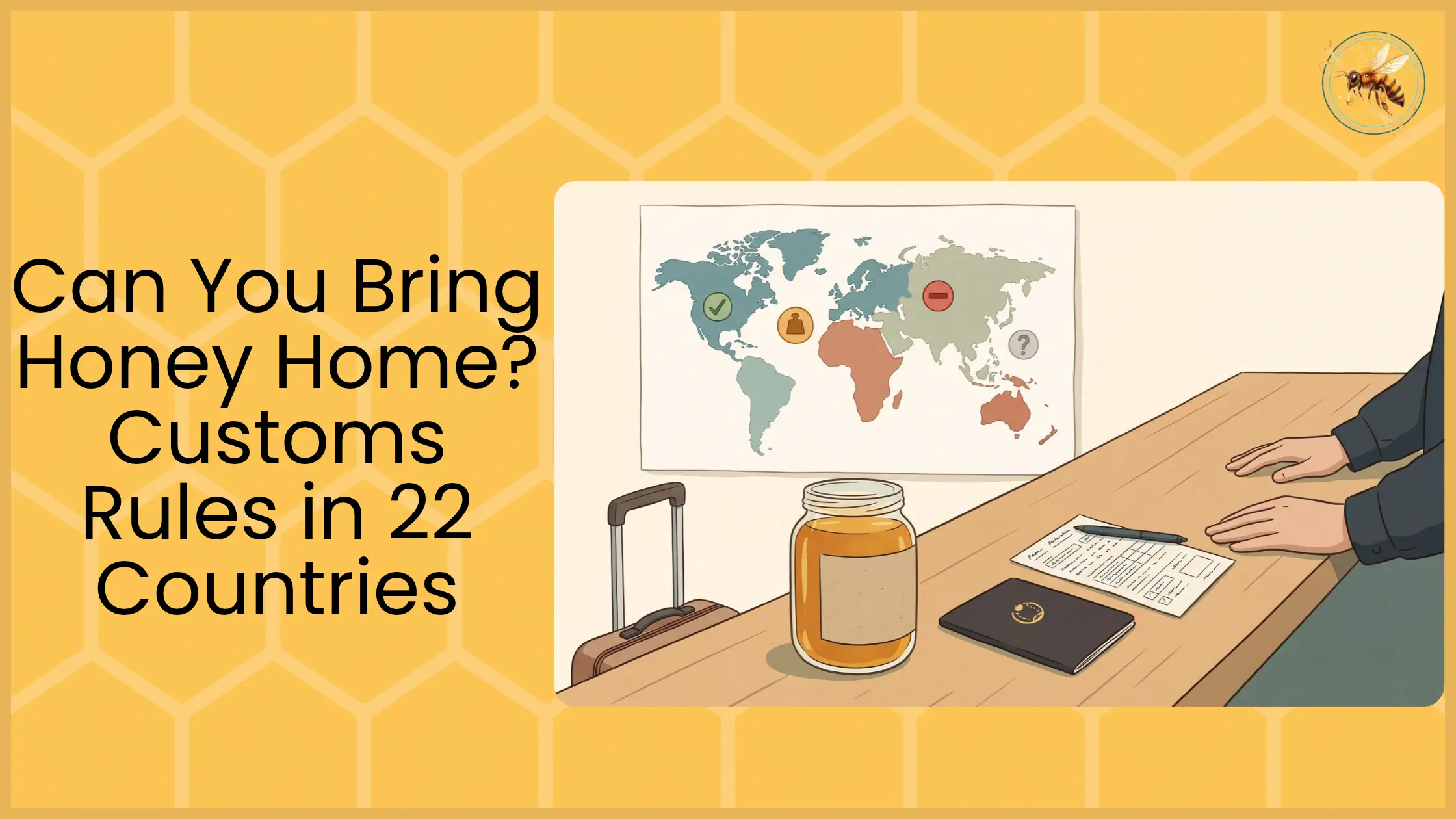
What the official rules say about honey in your luggage in 20 countries, plus leaving Nepal and Turkey, with limits, sources and the date we checked.
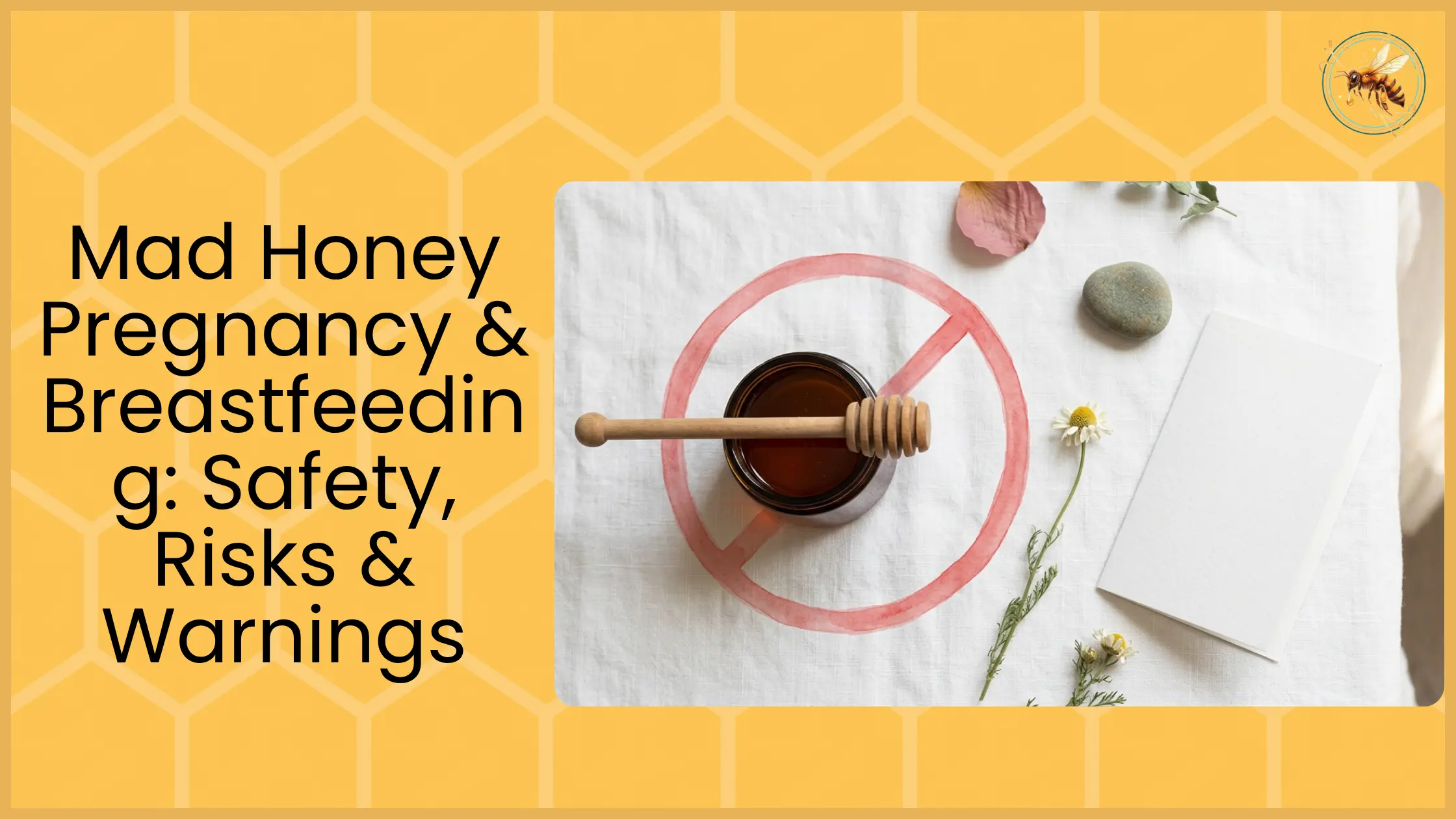
Mad honey is not recommended during pregnancy or breastfeeding. The concern is not that all honey is unsafe for adults during pregnancy. The concern is that mad honey is different from regular honey because it may contain grayanotoxins, naturally occurring plant toxins from certain Rhododendron nectar sources. These compounds can affect blood pressure, heart rate, […]
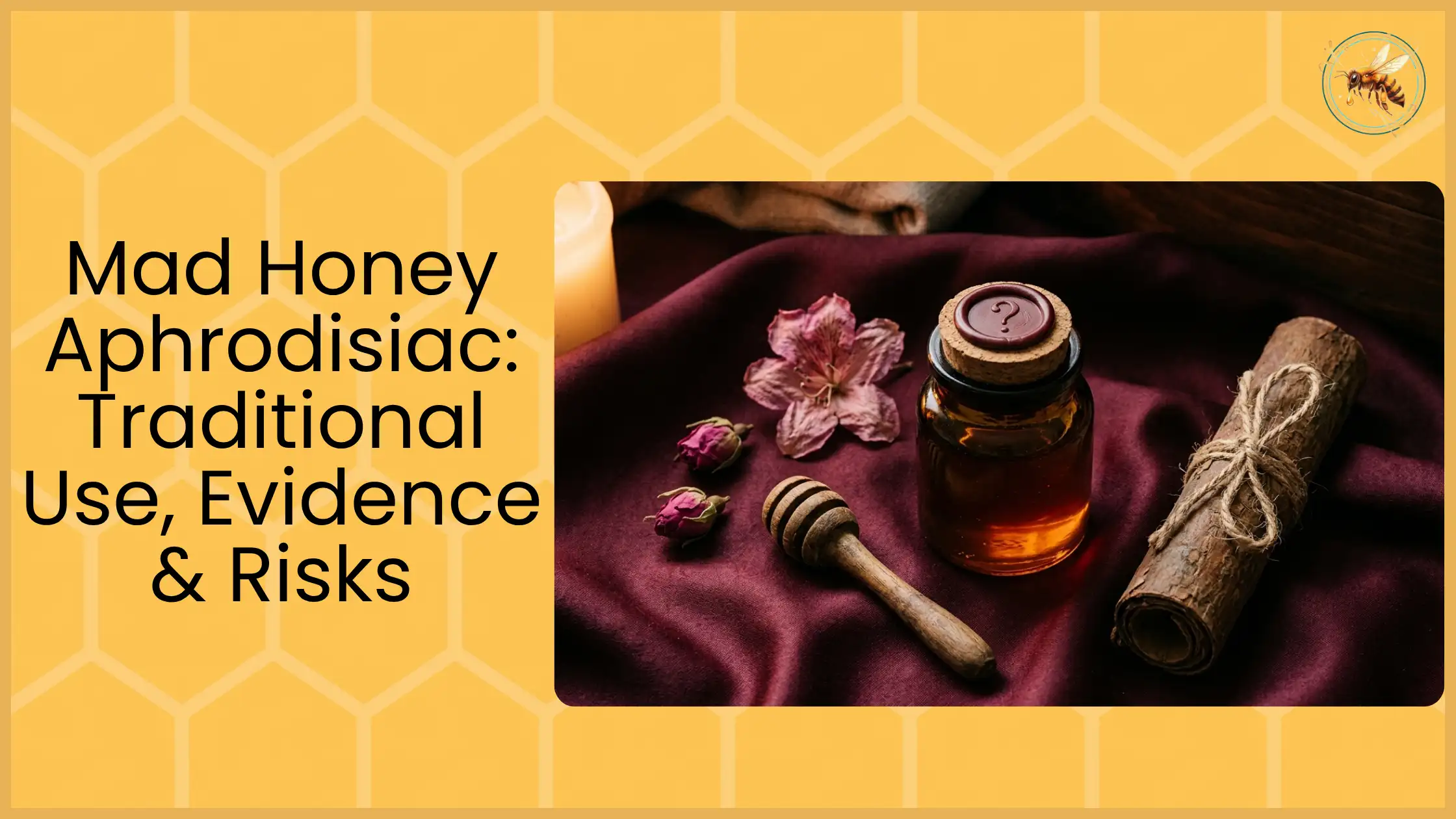
Mad honey has a long reputation as a traditional aphrodisiac, especially in regions where it has been used for generations, such as Turkey and parts of Nepal. People often associate it with warmth, vitality, body sensation, confidence, and male sexual performance. That reputation is part of mad honey’s cultural history, but it also needs careful […]
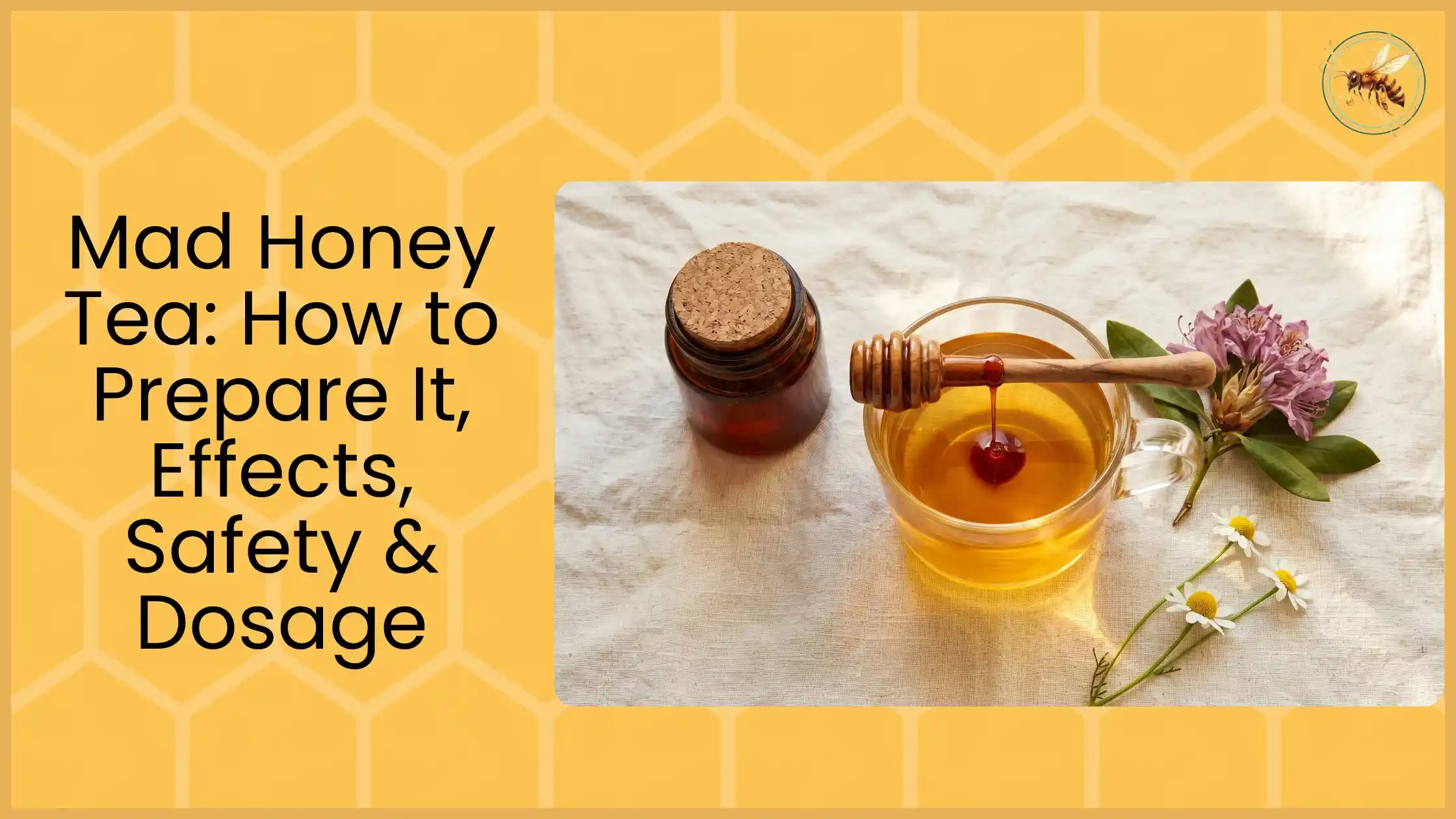
Mad honey tea is one of the simplest ways people use mad honey: warm water or herbal tea, a small amount of honey, and a slower evening-style ritual. It can feel more approachable than taking honey straight from the spoon because it turns the product into a warm drink rather than a concentrated taste experience. […]
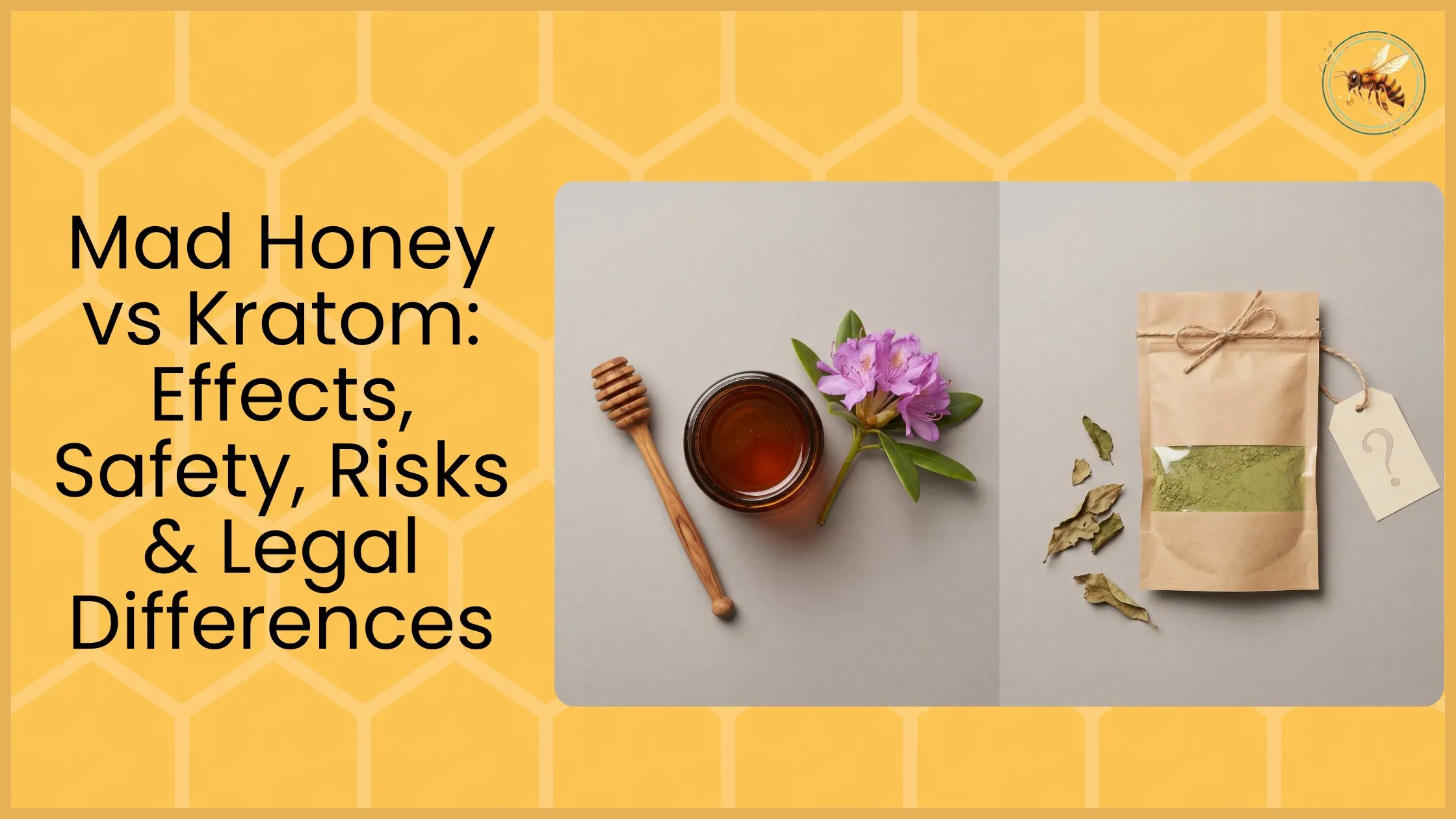
Mad honey and kratom are sometimes compared because both are sold online as “natural” products that may affect how someone feels. That comparison can be misleading. They come from different sources, work through different mechanisms, carry different risks, and should not be treated as interchangeable. Mad honey is honey that may contain grayanotoxins from certain […]
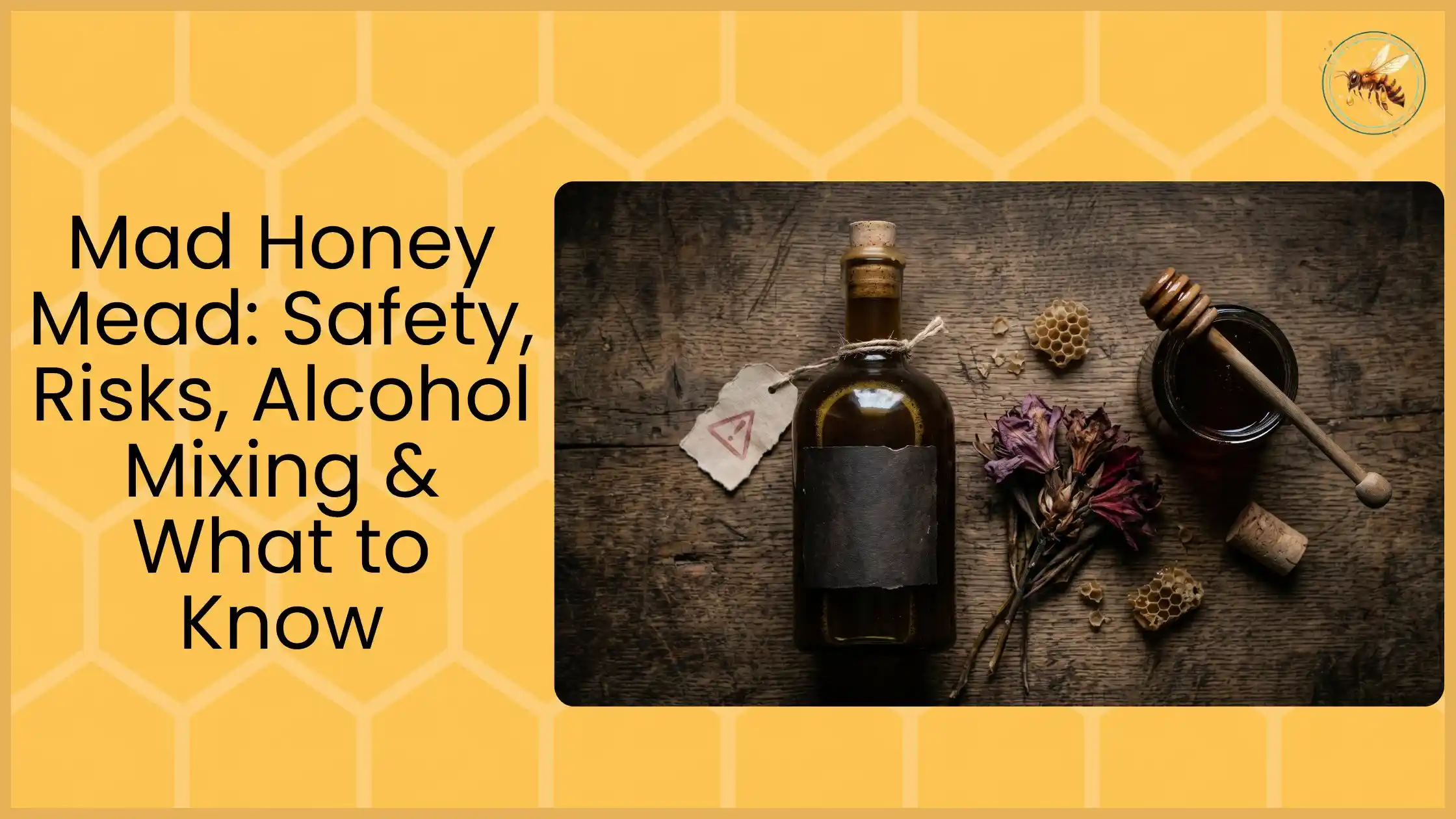
Mad honey mead sounds like a natural pairing: honey, fermentation, tradition, and a rare ingredient with a strong story behind it. But mad honey is not ordinary honey. Certain batches can contain grayanotoxins, naturally occurring compounds from rhododendron nectar that may affect blood pressure, heart rate, dizziness, nausea, and overall body response. That changes the […]
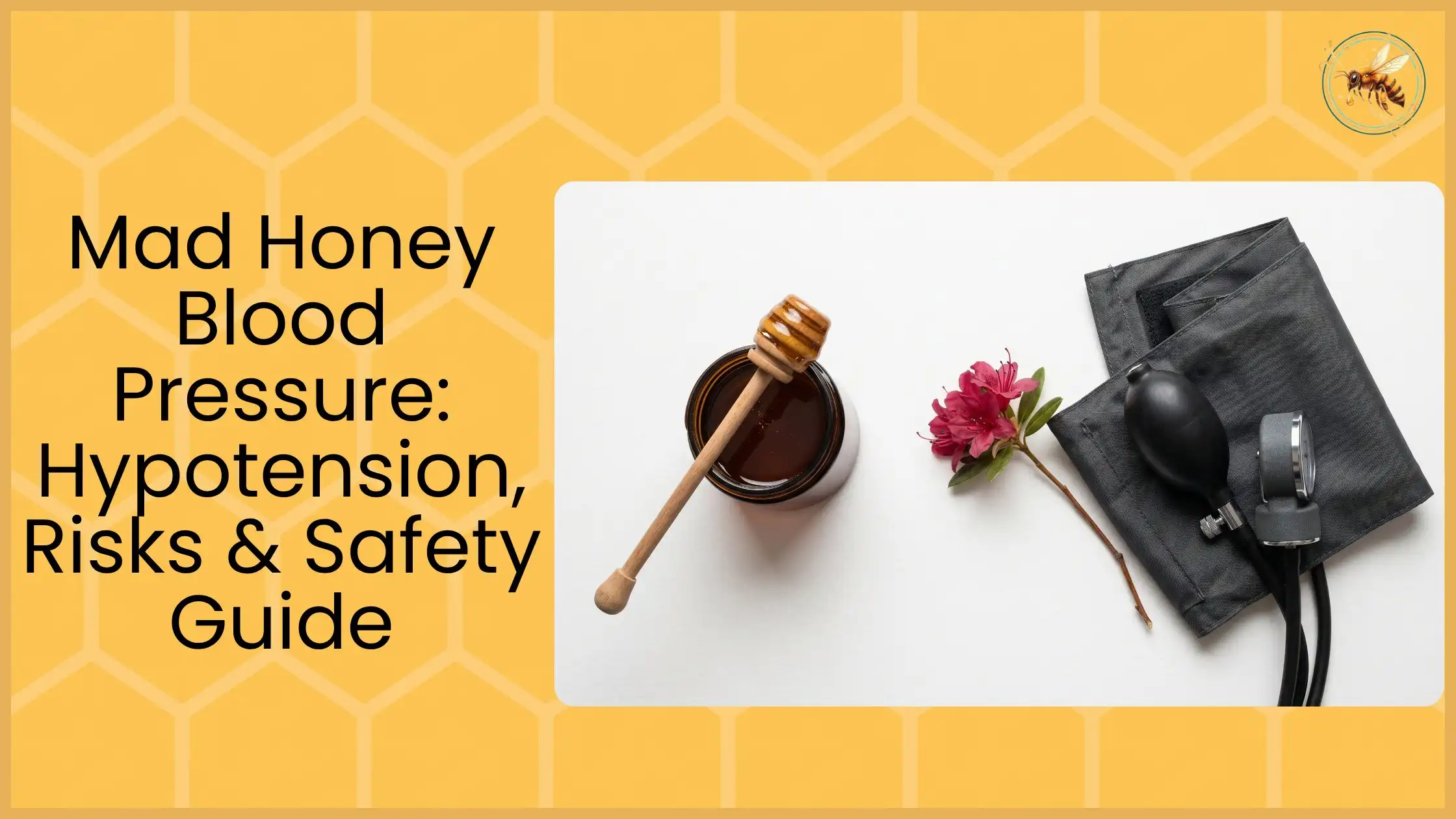
Mad honey can affect blood pressure because certain batches contain grayanotoxins, naturally occurring compounds from rhododendron nectar. These compounds can influence the nervous system in a way that may lower blood pressure, slow heart rate, and create symptoms such as dizziness, weakness, sweating, nausea, or faintness. Mad honey intoxication has been clinically associated with hypotension, […]
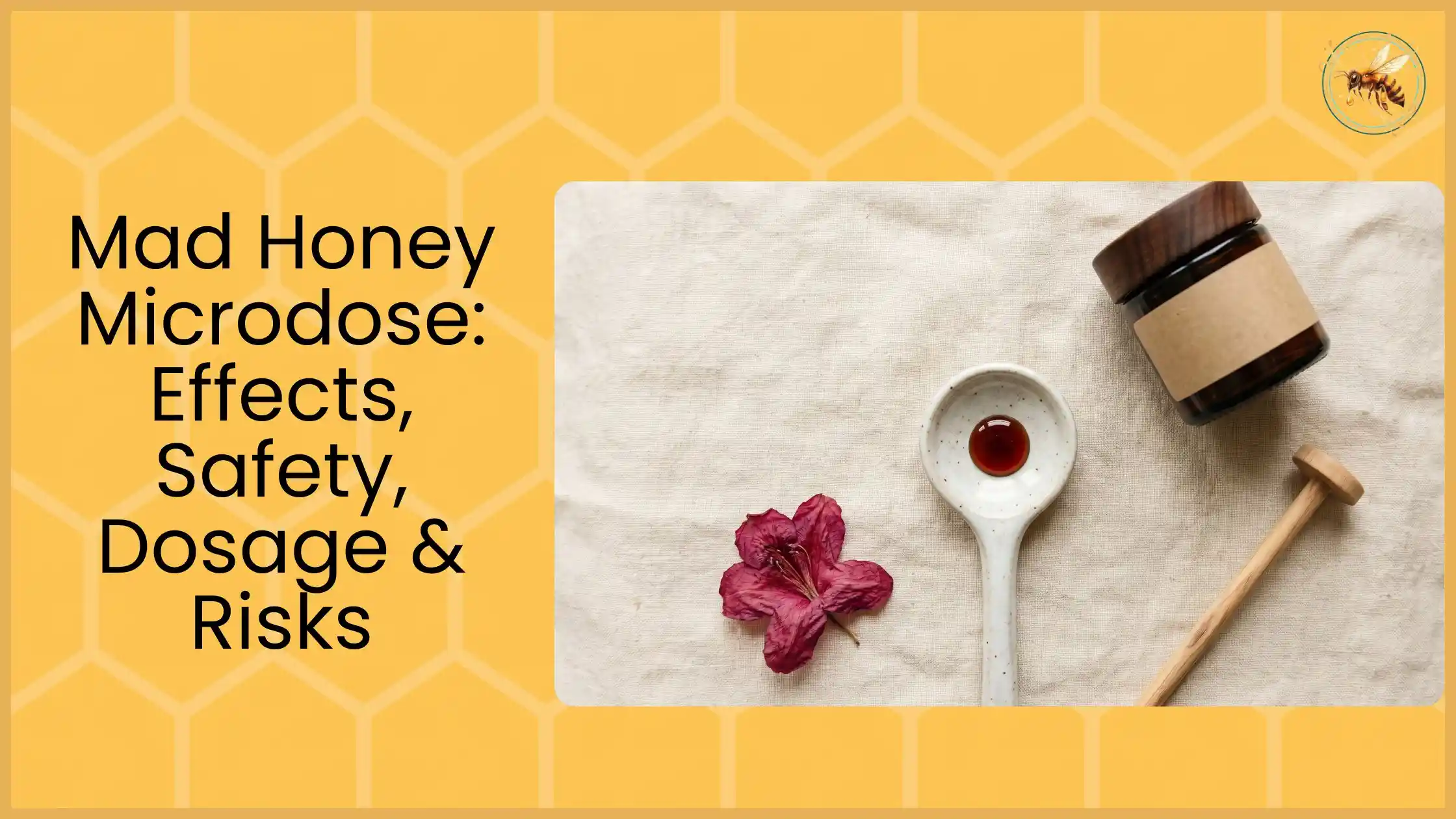
A “mad honey microdose” usually means taking a very small amount of mad honey with the goal of keeping the experience subtle, controlled, and low-intensity. But the word microdose can be misleading here, because mad honey is not like mushroom microdosing or psychedelic microdosing. It is still honey that may contain grayanotoxins, and those compounds […]
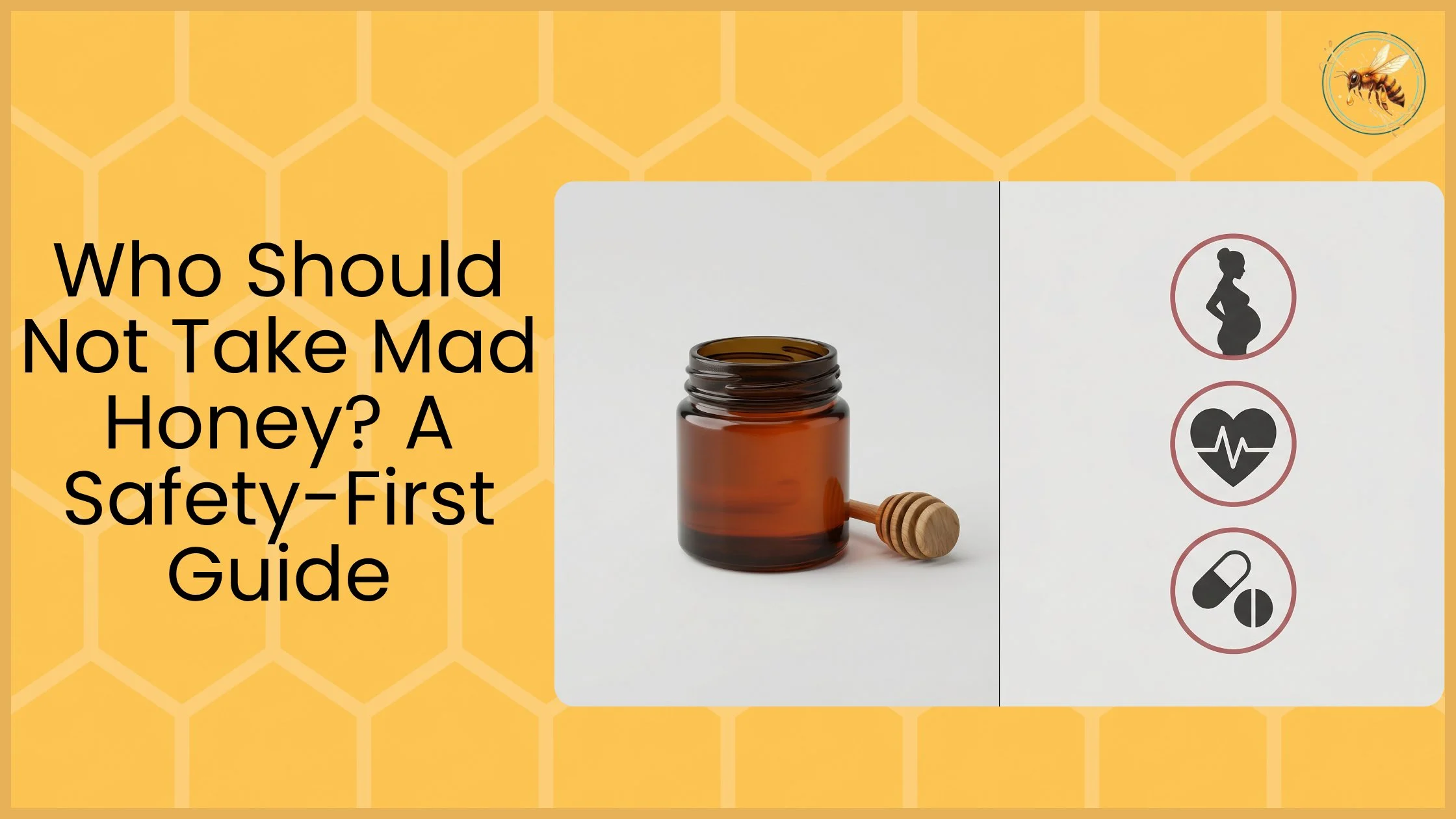
Mad honey is not regular table honey. Certain batches can contain grayanotoxins, naturally occurring compounds from rhododendron nectar that can affect the nervous system, blood pressure, and heart rate. At low amounts, some people describe a calm or heavy-body feeling. At higher exposure, the same compounds can contribute to dizziness, nausea, weakness, low blood pressure, […]
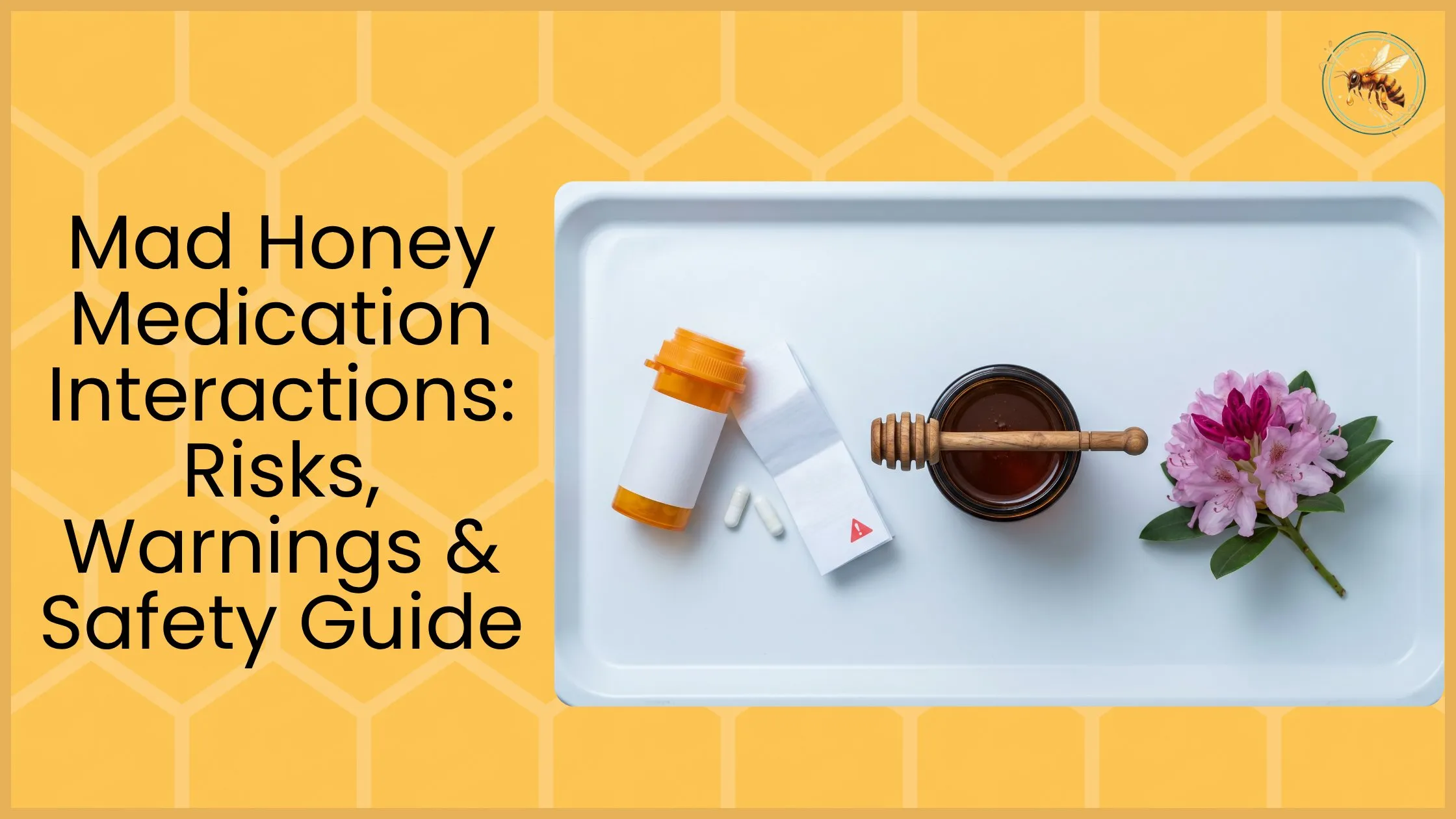
Mad honey isn’t the same as regular honey. Some batches contain grayanotoxins (from rhododendron nectar), which can affect the body in a dose-sensitive way, especially blood pressure and heart rate. That’s the reason medication interactions matter here: not because mad honey is a “drug,” but because it can create real physiological changes that overlap with […]
A selection of guides from every topic. For the full list, see all blog posts.