Mad Honey Editorial

Mad honey jar on counter with Singapore customs import regulations on tablet, honey shop shelf and Marina Bay skyline in background

Is Mad Honey Legal in Singapore? What Buyers Should Know (Import Rules, Claims, and Practical Reality)

Mad honey is generally treated as a food (honey) in Singapore, not as a controlled drug. Most “legal” issues come from import clearance and how the product is labeled/marketed, not from simple possession. Singapore’s regulatory approach is practical: food must be safe and properly described, imports must comply with controlled-item requirements, and products should not […]

Mad honey jar with rhododendron label beside customs inspection box and Philippine passport on desk with Manila street view, showing Philippines import regulations

Is Mad Honey Legal in the Philippines? What Buyers Should Know (Import Rules, Claims, and Practical Reality)

Mad honey is usually treated as honey/food in the Philippines, not as a controlled drug. Most “legal” problems don’t come from simply owning a jar. They come from import clearance (Customs + applicable regulatory agencies) and from how the product is marketed and labeled (food vs drug-like claims). The Philippines treats many imported goods as […]

Dutch customs officer in yellow vest inspecting honey jars from cardboard box at Netherlands warehouse, representing mad honey import rules

Is Mad Honey Legal in the Netherlands? What Buyers Should Know (Import Rules, Claims, and Practical Reality)

Mad honey is usually treated as honey/food in the Netherlands, not as a controlled drug. Most “legal” concerns come down to two practical areas: Import compliance (EU + Dutch rules for animal products/foods) Selling/marketing compliance (labeling and health/medical claims) The Netherlands enforces EU food and import rules through Dutch authorities (especially the NVWA). If you’re […]

Inspector with magnifying glass examining amber honey jar on wooden table with New Zealand green hills backdrop and directional signpost

Is Mad Honey Legal in New Zealand? What Buyers Should Know (Import Rules, Claims, and Practical Reality)

Mad honey is usually treated as a food (honey) rather than a controlled drug in New Zealand, but “legal” depends on what you’re doing with it: owning it, importing it, or selling/marketing it. The biggest real-world issues are border/biosecurity clearance and marketing/label claims, especially when products are positioned as “psychedelic,” “trip,” or as disease treatment. […]

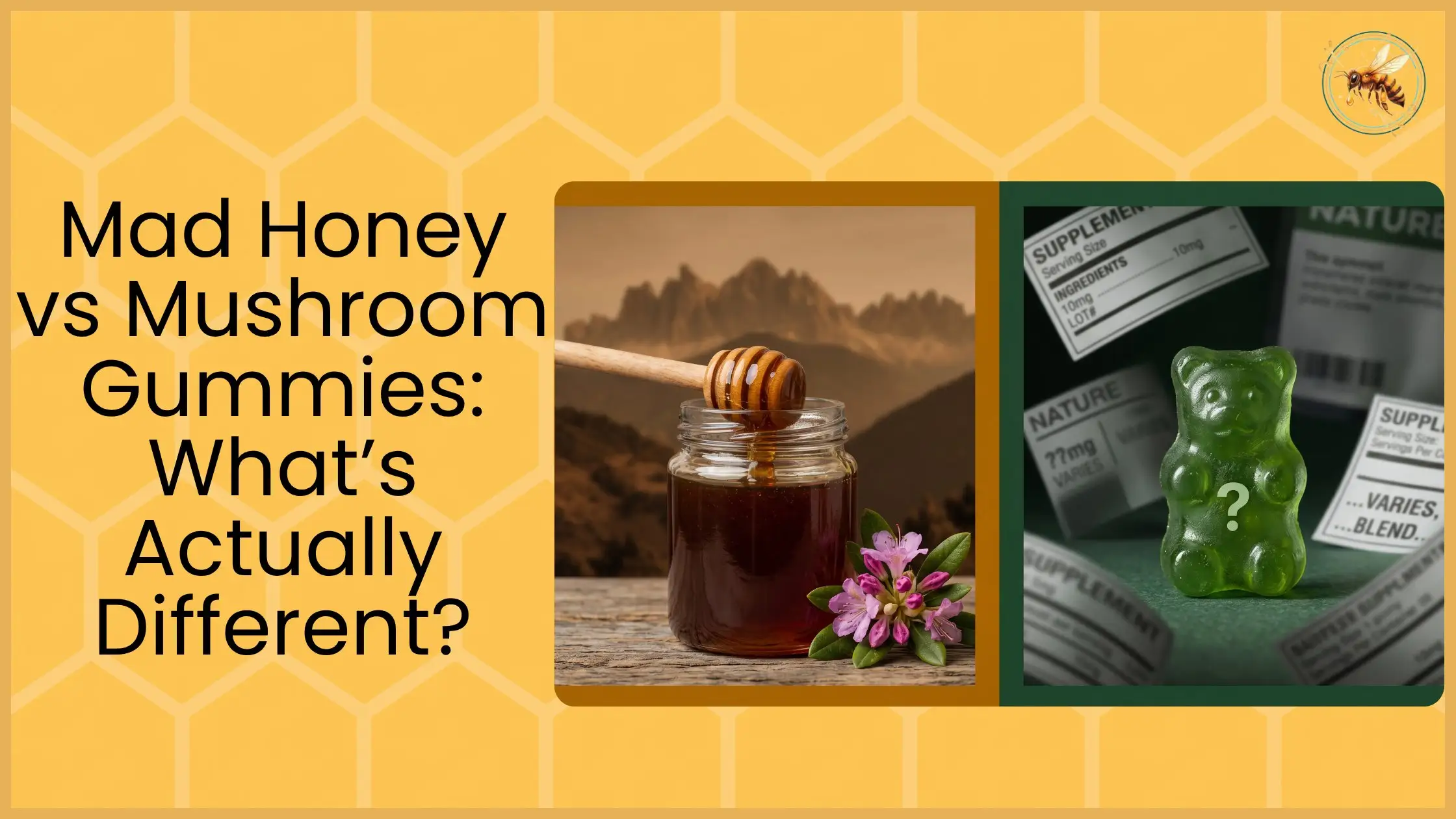
Split comparison of mad honey jar with rhododendron flowers versus green mushroom gummy supplement with question mark, on yellow honeycomb background

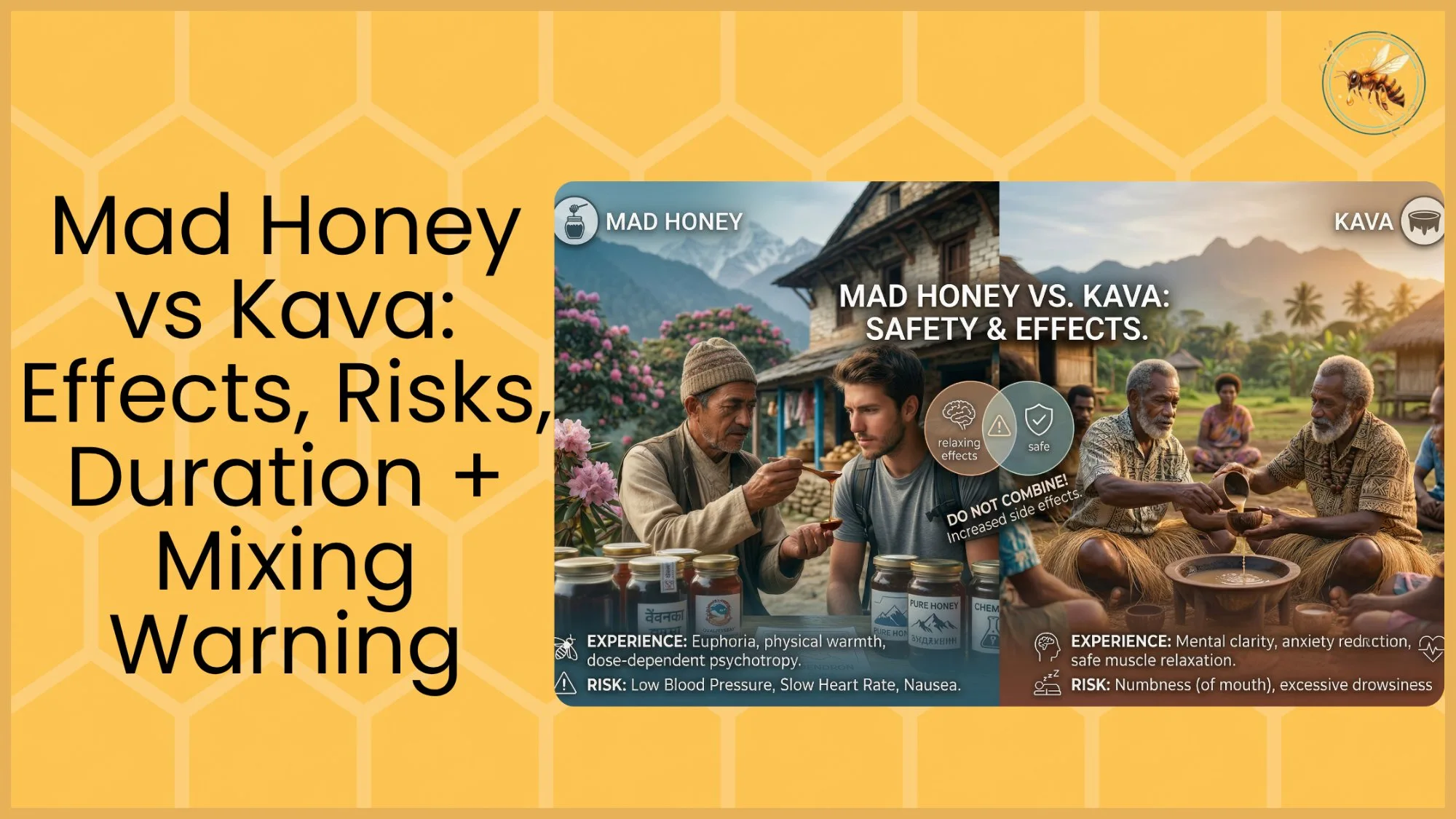
Mad Honey vs Mushroom Gummies: Not the Same Category (Effects, Risks, Legality, and What to Choose)

Mad honey and “mushroom gummies” often get grouped together online because both are marketed as relaxing, mind-altering, or “an experience.” But they’re not the same type of product, and confusing them can lead to bad decisions (especially around dosing and mixing). Mad honey is honey that can contain grayanotoxins from Rhododendron nectar. At higher exposures, […]
Mad honey certificate of analysis laboratory report showing GTX I, GTX III and grayanotoxin sum values beside honey jar, dipper and magnifying glass

Mad Honey Lab Report (COA) Explained: What to Look For and What the Numbers Mean

A “lab tested” label doesn’t mean much unless you can see a real, batch-matched report and understand what it says. With mad honey, this matters even more because the category is dose-sensitive and batch-variable, so you want proof of what’s in that jar, not a generic claim. This guide explains what a strong mad honey […]

Labeled mad honey jar on wooden stool with thermometer and herbs, showing proper mad honey storage best practices

How to Store Mad Honey: Shelf Life, Crystallization, Temperature, and What Not to Do

Mad honey is still honey, so it’s naturally shelf-stable compared to most foods. But it’s also a product people watch closely: a jar crystallizes, darkens, thickens, or tastes a little different, and the first thought becomes, “Did it go bad?” or “Is this fake?” In most cases, what you’re seeing is normal honey behavior (especially […]

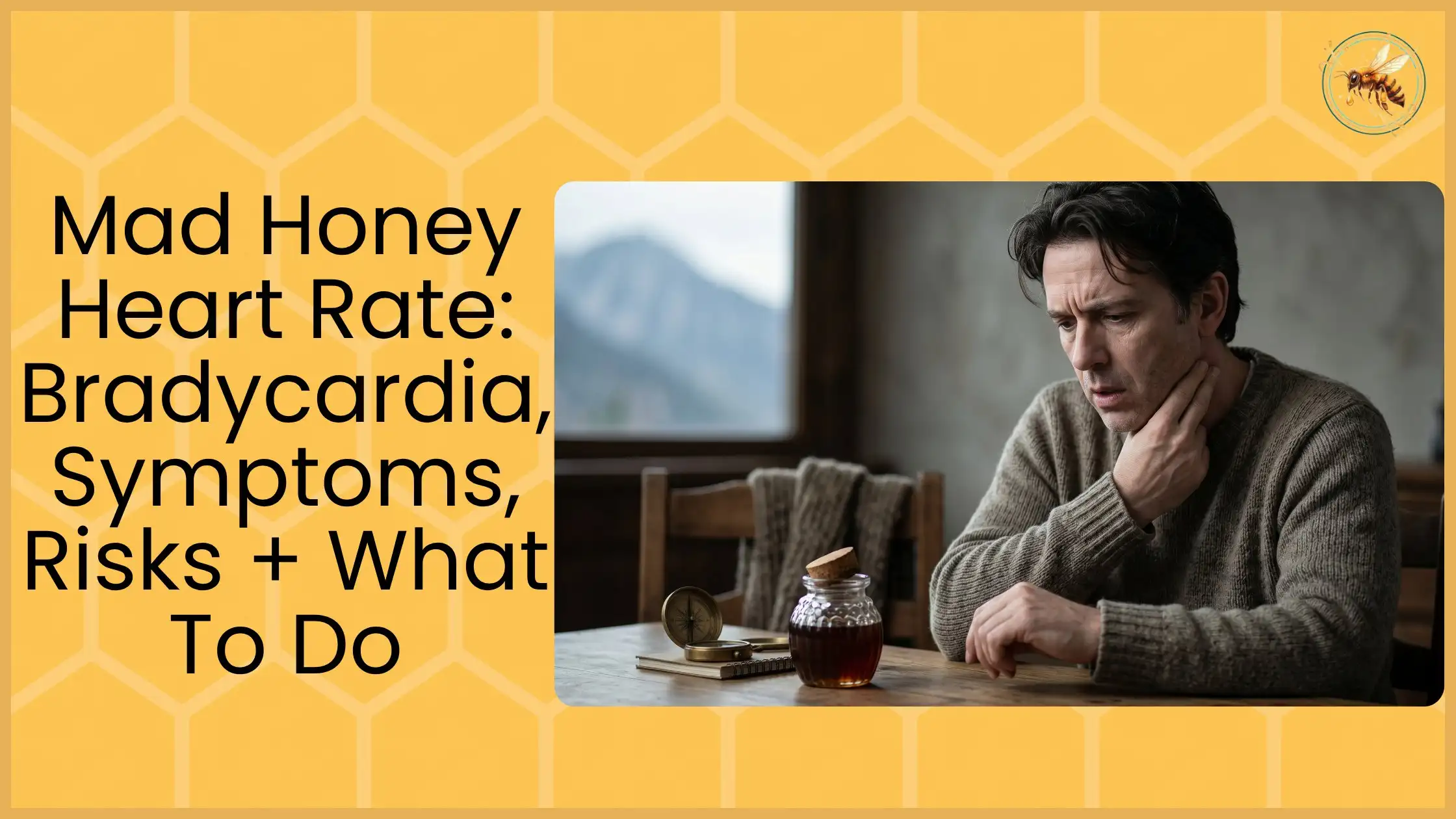
Man checking pulse at neck next to honey jar on table, illustrating mad honey heart rate and bradycardia symptoms

Mad Honey and Heart Rate: Why It Can Slow Your Pulse (Bradycardia), What It Feels Like, and When It’s Dangerous

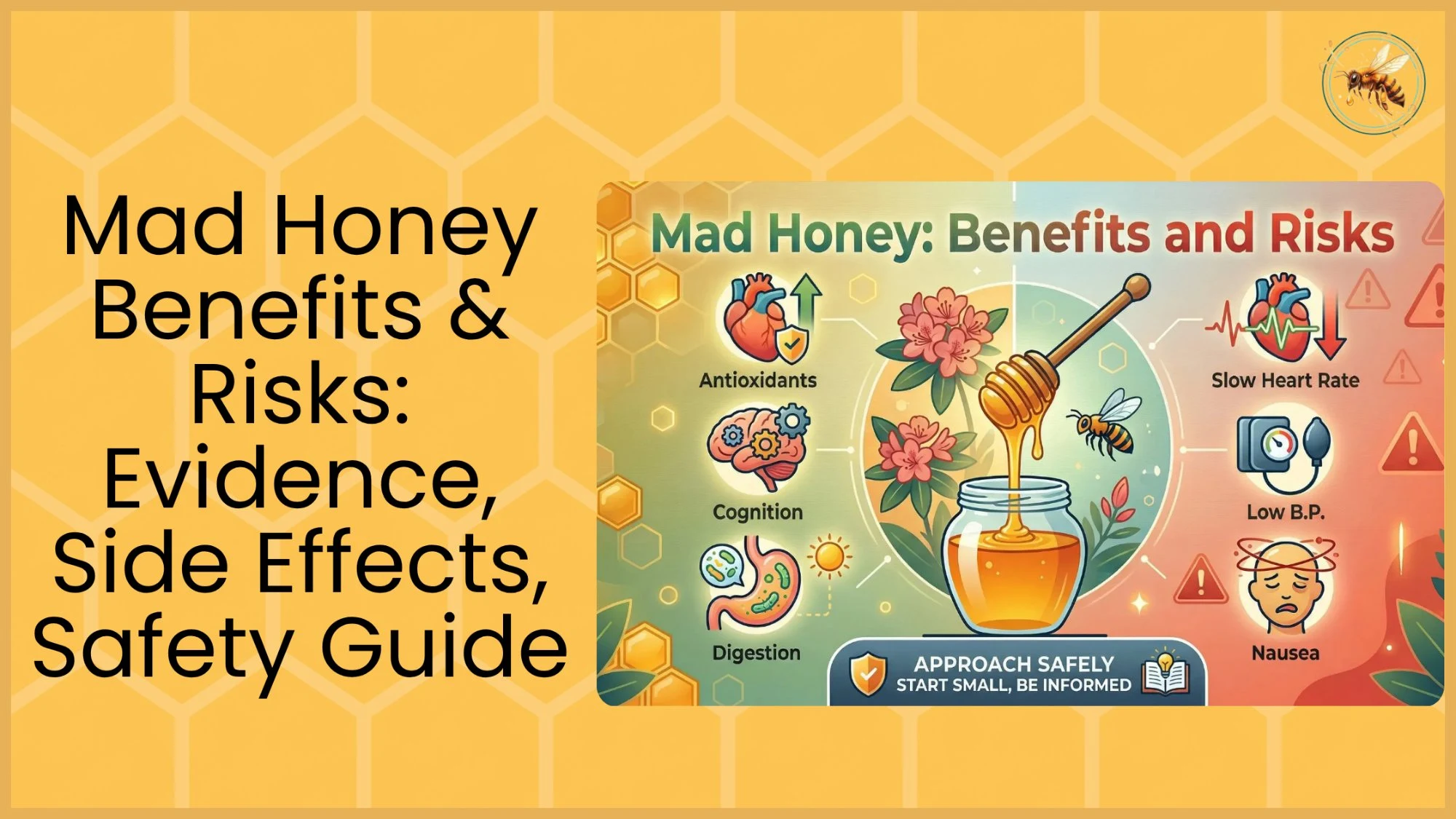
Mad honey can affect your heart rate in a way that surprises people, because the “main event” isn’t a stimulant buzz. In higher exposures, mad honey is more likely to cause cardiovascular depression: a slower pulse (bradycardia) and lower blood pressure (hypotension) that can make you feel dizzy, weak, clammy, or like you might faint. […]

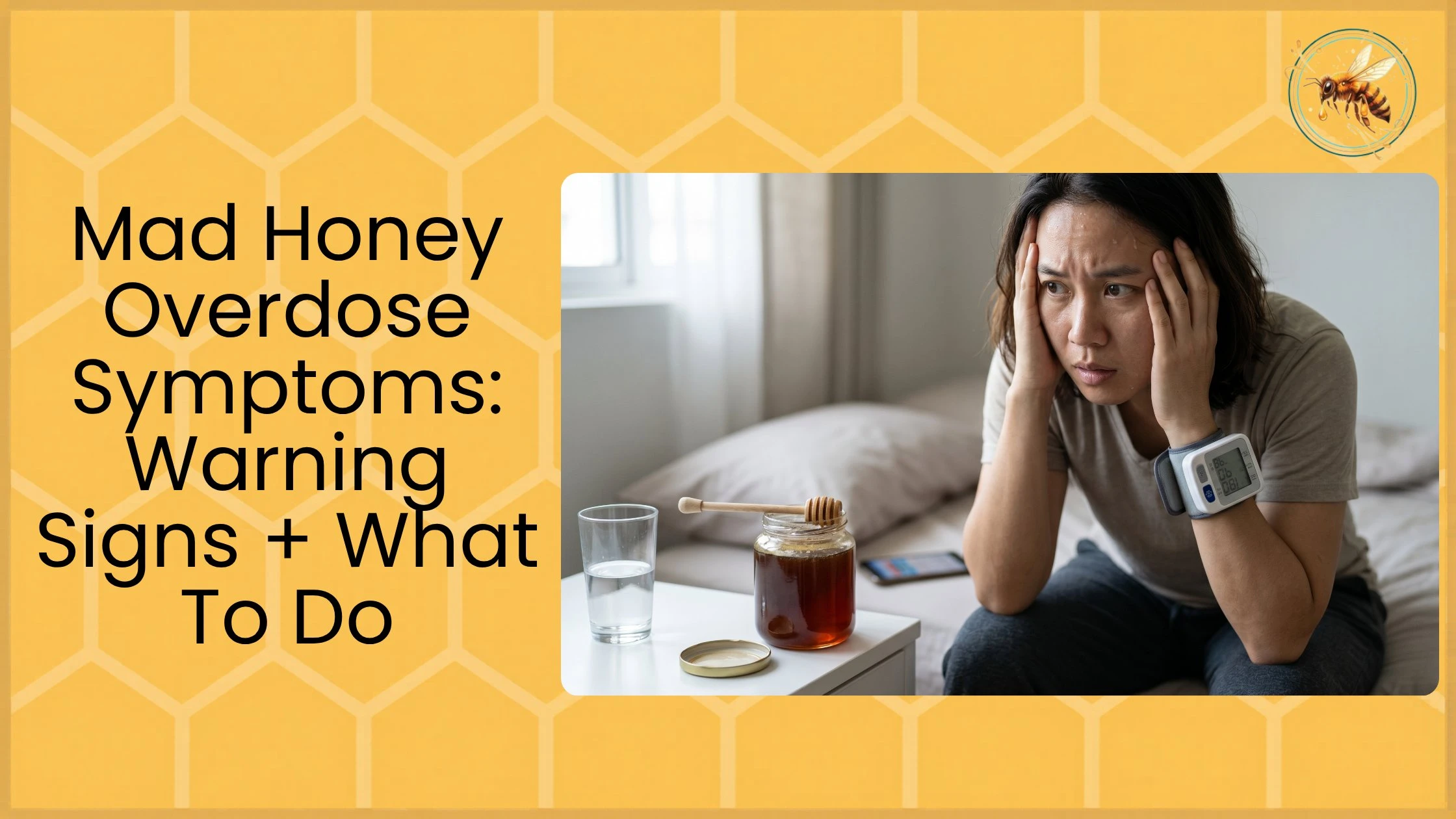
Person holding head in distress next to honey jar, illustrating mad honey overdose symptoms and warning signs

Mad Honey Overdose Symptoms: What They Look Like, When It’s Dangerous, and What to Do

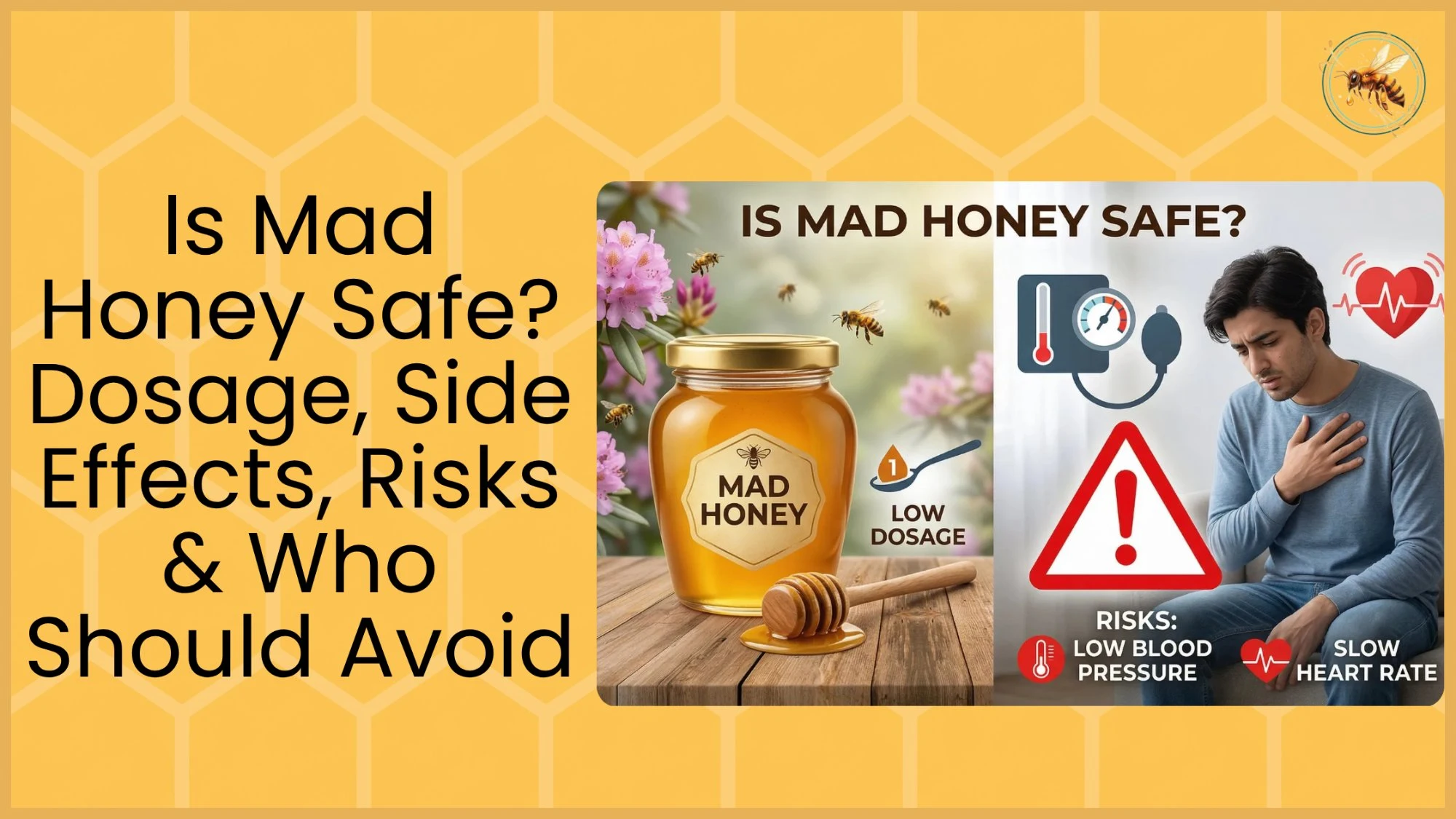
Mad honey can feel subtle at low amounts, but it’s also dose-sensitive; small increases can flip the experience from “calm” into “I feel really unwell.” That’s because the active compounds (grayanotoxins) can strongly affect blood pressure and heart rate, not just mood. This guide is written for symptom-checking: what “too much” looks like, what’s normal […]

A detailed scientific infographic showing the source, ingestion pathway, and physiological effects of grayanotoxin from rhododendron flowers through honey consumption, with numbered symptoms including cardiac effects, dizziness, nausea, and a dose-dependent warning timeline at the bottom.

Grayanotoxin Effects: What They Do in the Body (Symptoms, Timeline, and Why Dose Matters)

Grayanotoxins are the compounds behind what most people call “mad honey.” They’re not a mystery ingredient, and they’re not a psychedelic. They’re naturally occurring chemicals produced by certain Rhododendron species that interact with how nerve and muscle cells fire, producing a very specific, dose-dependent pattern of effects. Online, the framing is often dramatic: “hallucinogenic honey,” […]