Quick Answer: Is Mad Honey illegal like a controlled drug in New Zealand?
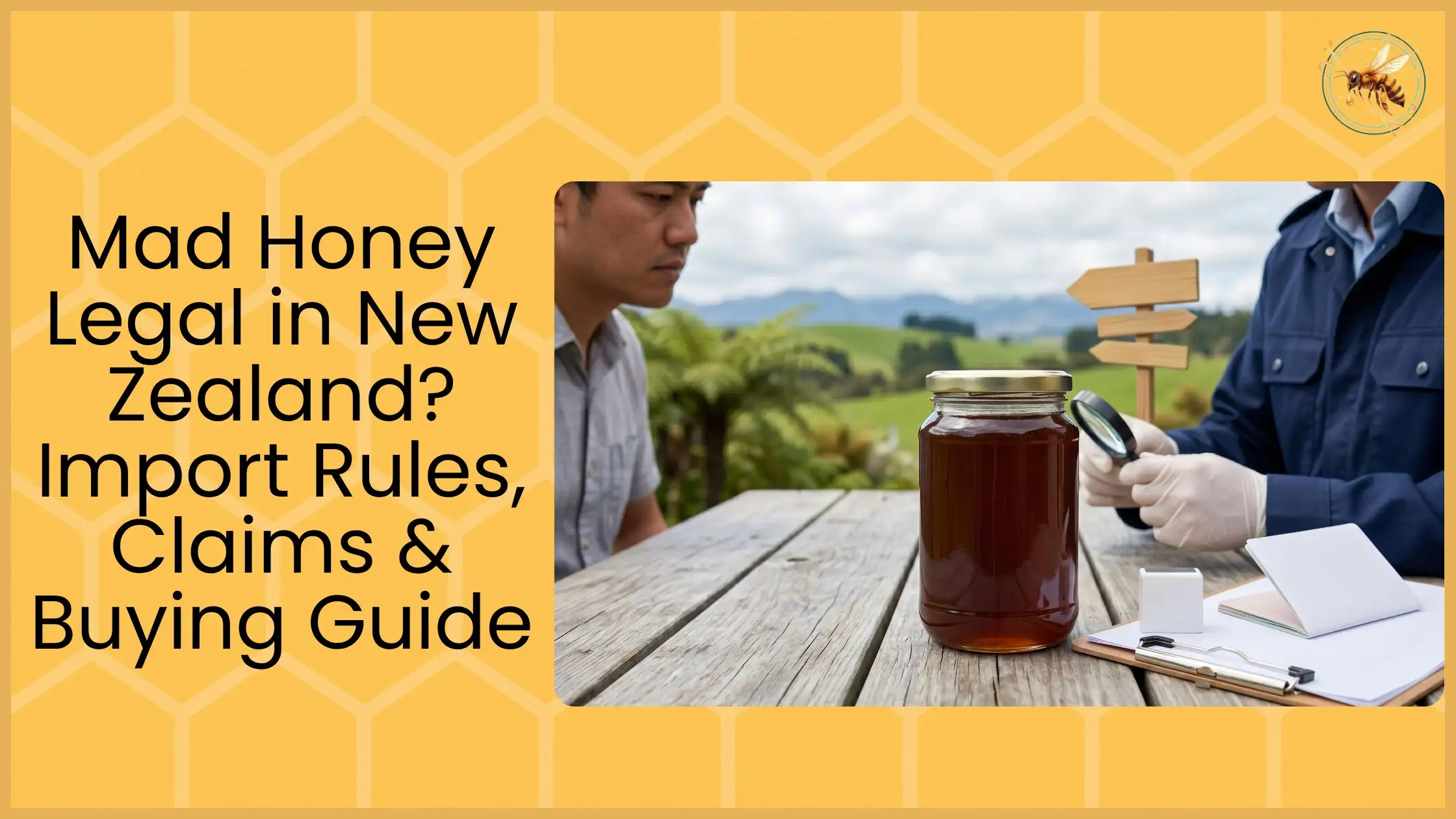
Most buyers are asking whether mad honey is “illegal like narcotics.” In practical terms, mad honey is usually handled as honey/food, not as a controlled drug; however, how it’s marketed and labelled can create problems, and border agencies still inspect food and animal products for biosecurity and compliance.
MPI lists bee products (including honey) under import requirements and emphasizes legal obligations under the Biosecurity Act, Food Act, Animal Products Act, and the Australia New Zealand Food Standards Code.
Can you import/order mad honey online?
Yes, people do import food items for personal use, but it must still clear Customs and MPI. Customs explains that all goods imported into New Zealand need to be cleared by Customs and MPI and that this applies from online shopping to commercial shipments.
The outcome depends on description, labelling, documentation, and risk assessment, not on internet claims about “banned” or “not banned.”
Why you’ll see conflicting answers online
Many posts use “legal” as a shortcut for “easy to import” or “won’t get inspected.” In New Zealand, border clearance and biosecurity are taken seriously; travellers and importers are expected to declare risk goods, including food and animal products, and failure to declare can lead to penalties.
What “Legal” Means in New Zealand (3 Layers)
New Zealand treats “legal” differently depending on the context. Separating these layers clears up most confusion.
Possession (owning it)
Owning a jar is usually not where problems arise. “Legal trouble” stories almost always involve import/clearance or marketing/claims.
Importing (border and biosecurity checks)
Importing is where most friction happens. Customs describes that all imported goods require clearance by Customs and MPI to ensure they don’t pose a risk and to collect any charges due.
MPI’s role includes ensuring imported bee products are correctly labelled, safe to eat, and free from pests and harmful organisms.
Biosecurity rules apply broadly to animal products and foods because New Zealand is protecting a unique environment and primary industries.
Selling/marketing (claims, labelling, classification)
Selling (or even heavily promoting) is where compliance can get strict. MPI publishes a honey labelling guide designed to meet the Australia New Zealand Food Standards Code, the Fair Trading Act, and Weights and Measures requirements, and notes products can be recalled or sellers fined for incorrect labelling.
In short: “food positioning + truthful labelling + responsible guidance” is the low-friction lane.
Why Mad Honey Can Get Flagged (Even If It’s Just Honey)
Mad honey isn’t flagged because it’s “mystically illegal.” It gets flagged because certain signals increase perceived risk: unclear origin, “drug-like” positioning, and safety incidents associated with dose-dependent effects.
Sensational marketing language
Words like “psychedelic,” “trip,” “guaranteed high,” and “instant high” create an obvious compliance problem. They also push the product toward a therapeutic/psychoactive framing that attracts scrutiny and increases platform/border risk.
Food vs supplement/drug framing confusion
New Zealand’s regulatory ecosystem draws lines between foods, dietary supplements, and medicines based on composition, dosage form, and especially therapeutic purpose. Medsafe explains dietary supplements must comply with the Dietary Supplements Regulations and “cannot have a stated or implied therapeutic purpose” (as defined in the Medicines Act).
Even when a product is sold as honey, aggressive “treats anxiety,” “heals,” or “works like a drug” claims are exactly the kind of language that escalates scrutiny.
Safety incidents increase attention (dose matters)
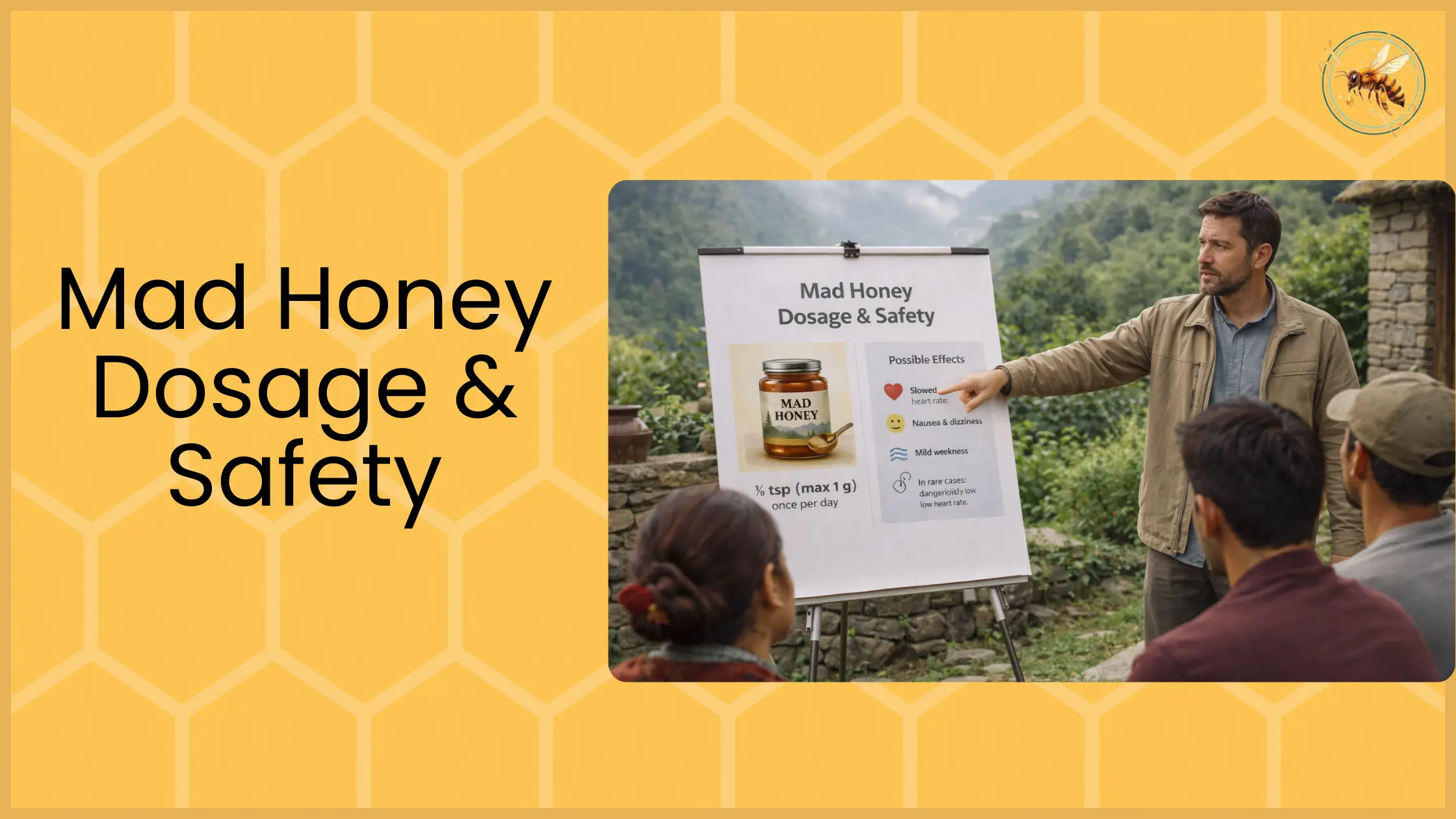
Mad honey’s effects are dose-dependent and can involve cardiovascular effects (slow heart rate and low blood pressure) in documented intoxication cases. This is why responsible sellers provide conservative guidance and warnings rather than hype.
Importing/Ordering Mad Honey Online in New Zealand (Practical Reality)
A simple, practical view of what border agencies tend to care about makes this far less stressful.
What border agencies typically care about
When Customs/MPI assess goods, they want clarity and compliance. Common friction points include:
- Clear product description and labelling: Vague descriptions raise questions. MPI emphasizes that imported bee products must be correctly labelled and meet requirements.
- Origin documentation: Biosecurity risk depends on country/ingredients/packaging. MPI highlights that risk isn’t always the same and depends on the country and packaging, and encourages declaring risk items.
- Quantity and intent: Customs distinguishes personal goods from goods intended for business use, gifting, exchange, or resale. Larger quantities can look commercial and attract more scrutiny.
- Biosecurity and pest risk: MPI manages biosecurity and requires import health standards for goods that could introduce pests/organisms; non-compliant goods may be destroyed or returned.
What can reduce friction?
These signals tend to lower questions and increase clarity:
- Batch/lot info on the jar
- Traceable origin (region/country clearly stated; not just “Himalayan”)
- Conservative labelling language (food framing, not drug framing)
- Responsible warnings and usage guidance (especially for risk groups)
Common reasons shipments get delayed/stopped
- Very vague descriptions (“herbal extract,” “psychedelic honey,” “medicine honey”)
- “Drug-like” claims on packaging or in inserts
- Missing or inconsistent origin/label information
- Quantities that look commercial without importer compliance preparation
New Zealand also expects travellers and shippers to declare risk goods; MPI warns that failing to declare risk goods can result in an instant fine or prosecution.
Also Read: Is Mad Honey Legal In Singapore?
Labelling & Claims (How to Stay on the Safe Side)
The cleanest compliance strategy in New Zealand is: sell honey as honey, keep claims conservative, and make labelling meet the Code and consumer law expectations.
Claims to avoid
These are the most common “compliance trigger” claim types:
- Disease treatment or cure claims
- Implied therapeutic purpose claims (even if you avoid the word “cure”)
- Guaranteed psychoactive claims (“guaranteed high,” “instant trip,” “works every time”)
Medsafe’s dietary supplements guidance is clear that products in that category cannot have a stated or implied therapeutic purpose.
Advertising that makes therapeutic purpose or health claims falls under therapeutic/health advertising standards coverage; the ASA notes its Therapeutic and Health Advertising Code applies broadly to advertising making therapeutic purpose or health claims and works alongside existing legislation.
Safer language
If the goal is compliance and buyer trust, use language like:
- “traditional honey,” “rare honey,” “ritual experience,” “strong taste,” “use responsibly.”
- conservative expectation setting (“effects vary,” “start low,” “don’t re-dose fast”)
- clear warnings for who should avoid (BP/HR concerns, certain medications, pregnancy/breastfeeding with a conservative tone)
“Lab tested” should be specific (not vague marketing)
New Zealand’s honey labelling guide highlights the importance of correct labelling under the Code and consumer laws.
If testing is mentioned, it’s stronger to use:
- batch/lot-linked COA references
- clear lab name and report number
- clear description of what was tested (GTX, pesticides, heavy metals) rather than “lab tested” as a vague sticker.
Take a look at: Is Mad Honey Legal in the Philippines?
Safety Note for NZ Mad Honey Buyers
Dose sensitivity + batch variability
Mad honey can vary from batch to batch, and small increases can feel big. Conservative usage is a safety issue, not a vibe choice.
Who should avoid
People with:
Red flags that require medical help
Buying Safely in New Zealand (Authenticity + Scam Avoidance)
Most “legality fear” searches are actually authenticity fear searches in disguise. Buyers want to avoid fake listings, mislabeled honey, and hype sellers.
What responsible sellers provide
- Origin clarity (region/country stated clearly; not just “Himalayan”)
- Batch/harvest information
- Conservative guidance and warnings
- Traceability signals (COA tied to batch, transparent sourcing, consistent packaging)
Red flags
- “strongest,” “guaranteed trip,” “instant high”
- vague origin (“Himalayan” with no region/harvest context)
- no safety guidance anywhere
- no batch info
- dramatic claims with no documentation
📖 Also read: Is Mad Honey Legal? What “Legal” Actually Means
Conclusion
In New Zealand, mad honey “legality” is usually about import clearance + labelling/claims compliance + responsible selling, not criminal possession. MPI’s import framework for bee products emphasizes correct labelling, food safety, and biosecurity obligations under key acts and the Australia-New Zealand Food Standards Code.
Customs and MPI clearance applies broadly to imported goods, including online orders, and declaring risk goods is a core expectation.
The lowest-risk approach is straightforward:
- buy from transparent sellers
- avoid hype and drug-like claims
- prefer batch information and conservative guidance
- treat “legal” as “compliant + well-documented,” not “risk-free.”
FAQs – Mad Honey Legal in New Zealand
Is mad honey banned in New Zealand?
Most issues are not “ban” issues; they’re border clearance, labelling, and claims issues. MPI treats imported bee products as regulated imports with requirements and legal obligations for food safety and biosecurity.
Can I order mad honey online in NZ?
Goods ordered online still require Customs/MPI clearance; Customs notes clearance applies to everything from online shopping to commercial shipments.
Can Customs/biosecurity stop it?
MPI focuses on biosecurity risks and requires declaration of risk goods; non-compliant goods may be destroyed or returned, and failing to declare risk goods can lead to fines.
Is it legal to resell?
Reselling creates labelling/claims obligations. MPI’s honey labelling guide is designed for extractors, packers, manufacturers, and importers selling honey in NZ and warns about fines/recalls for incorrect labelling.
Is it legal to advertise effects?
Advertising that implies therapeutic purpose or health claims can trigger stricter expectations; Medsafe notes dietary supplements cannot have stated or implied therapeutic purpose, and the ASA notes its Therapeutic and Health Advertising Code covers advertising making therapeutic purpose or health claims.
Is Turkish “deli bal” treated differently?
Deli bal is still a honey/bee product from an import perspective; what matters is origin clarity, compliance, and how it’s marketed/labelled.
Is mad honey safe for beginners?
Safety depends on dose, batch variability, and risk profile. Beginners should prioritize conservative dosing guidance and avoid sellers that market “strongest” or “guaranteed high.”