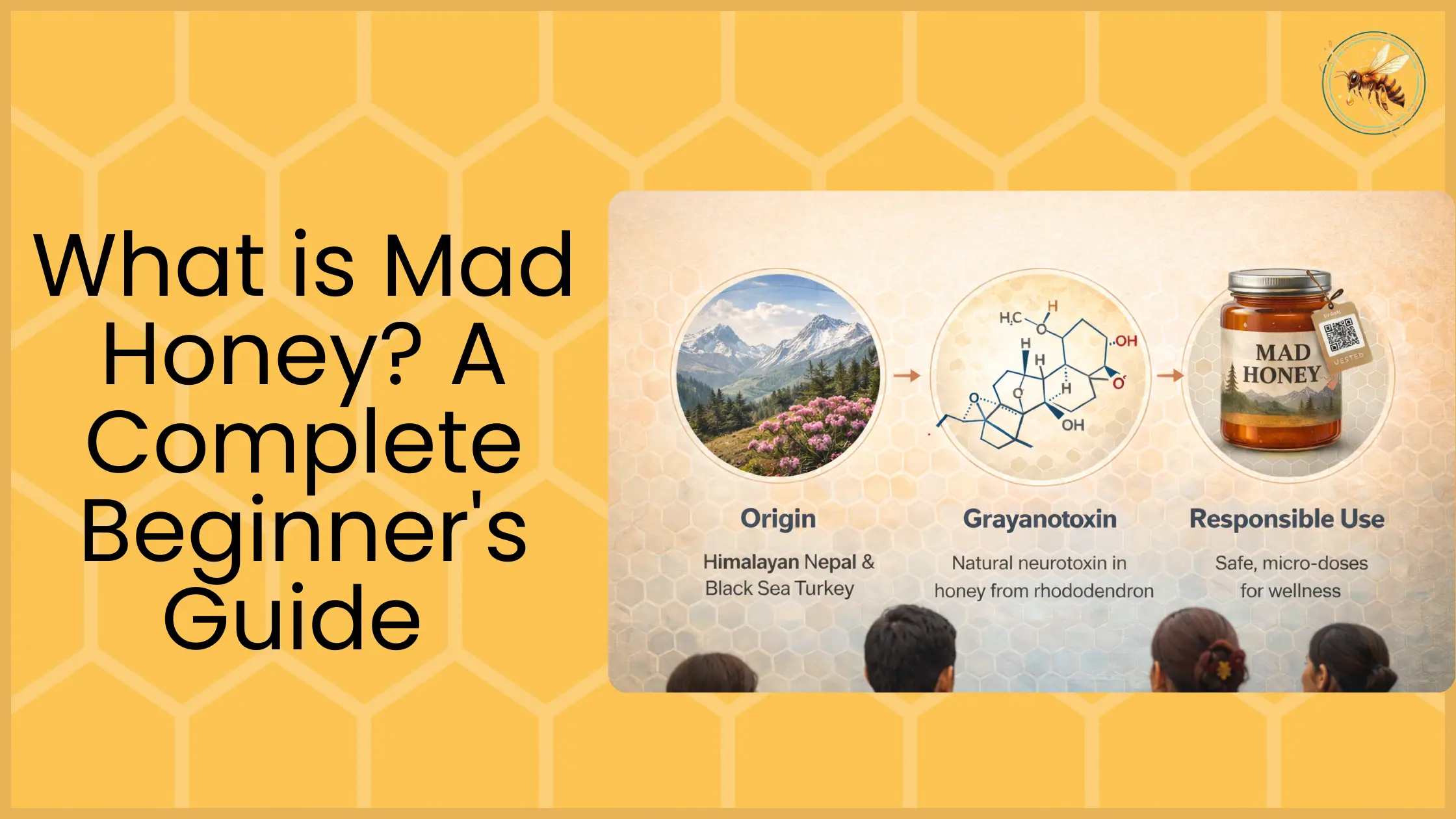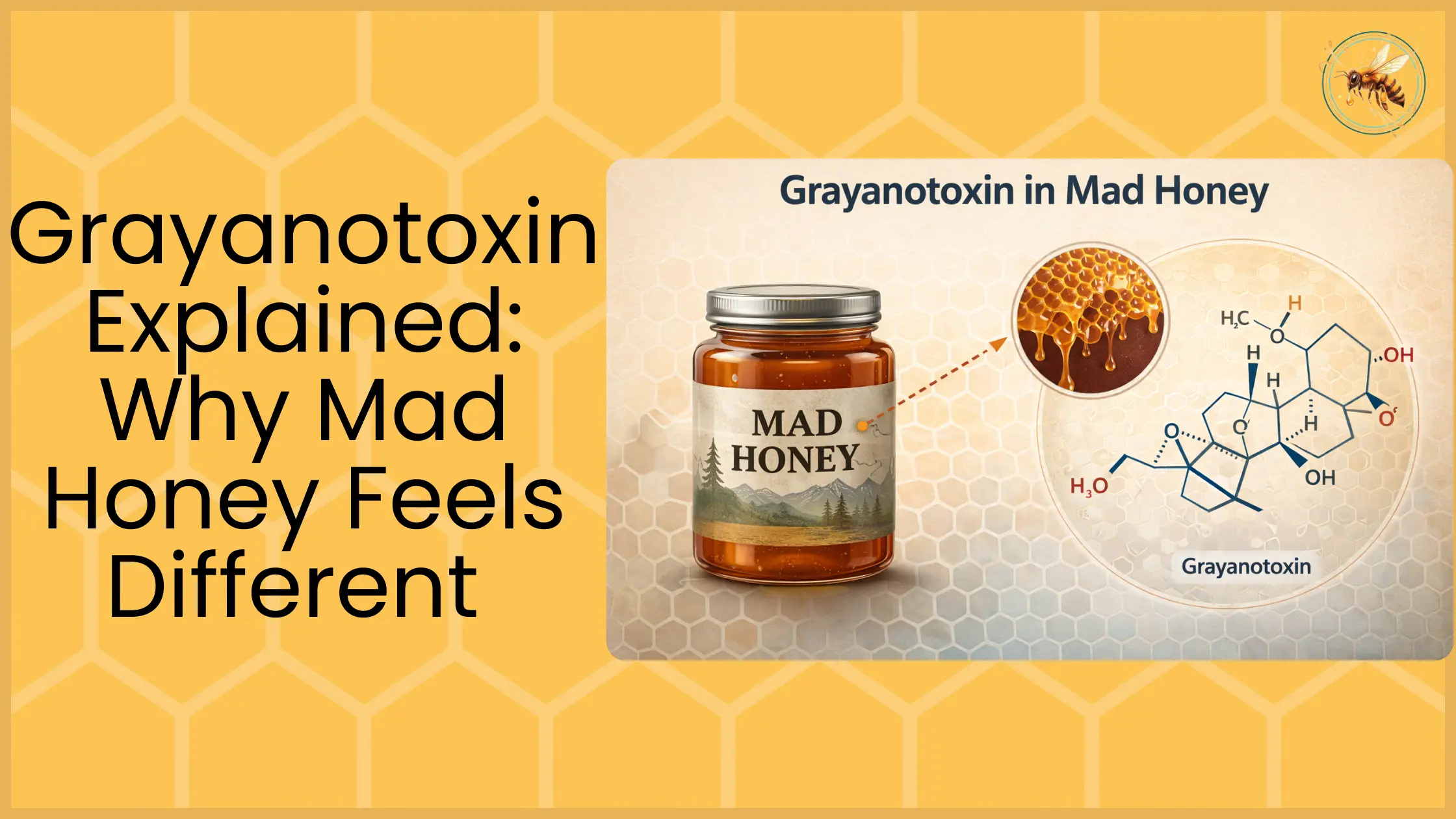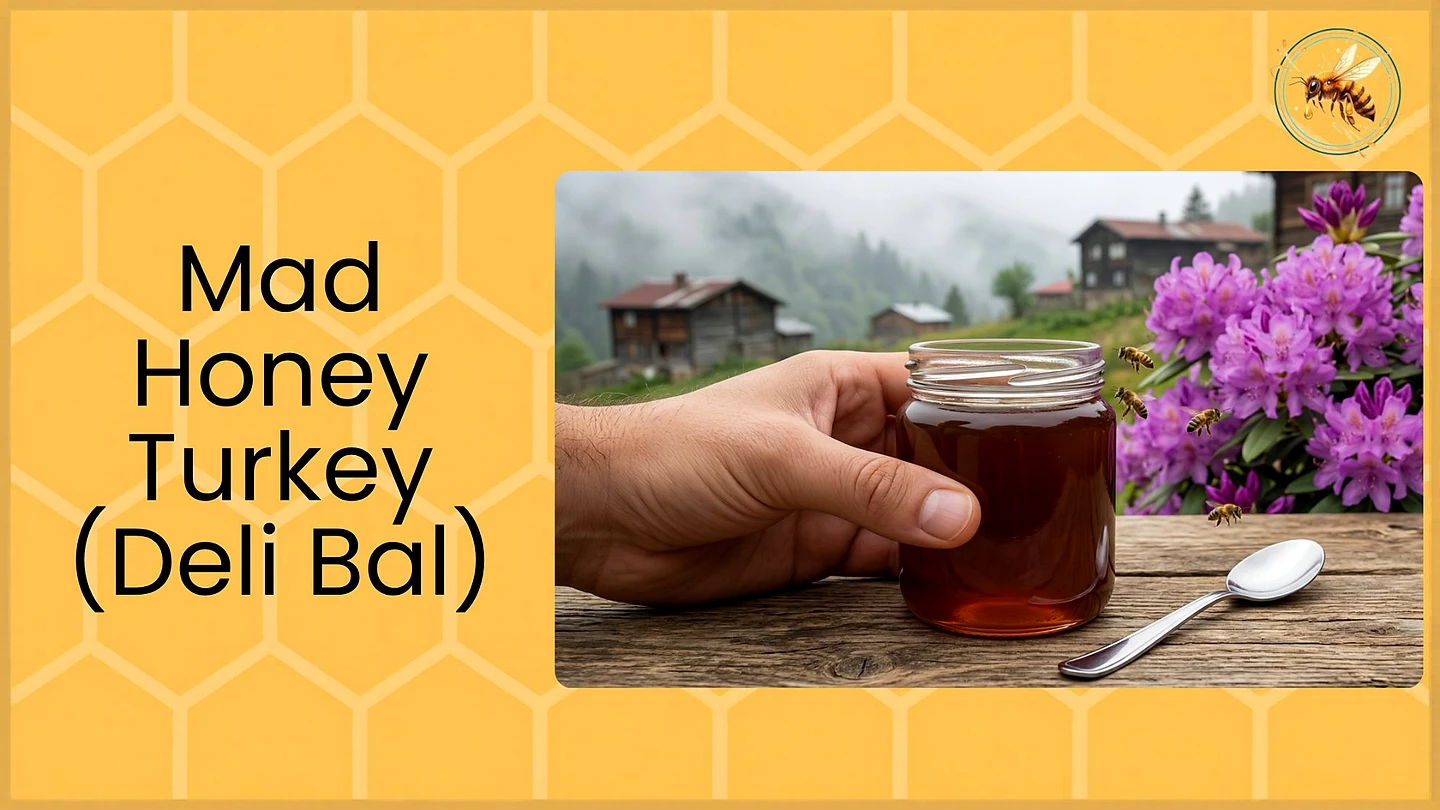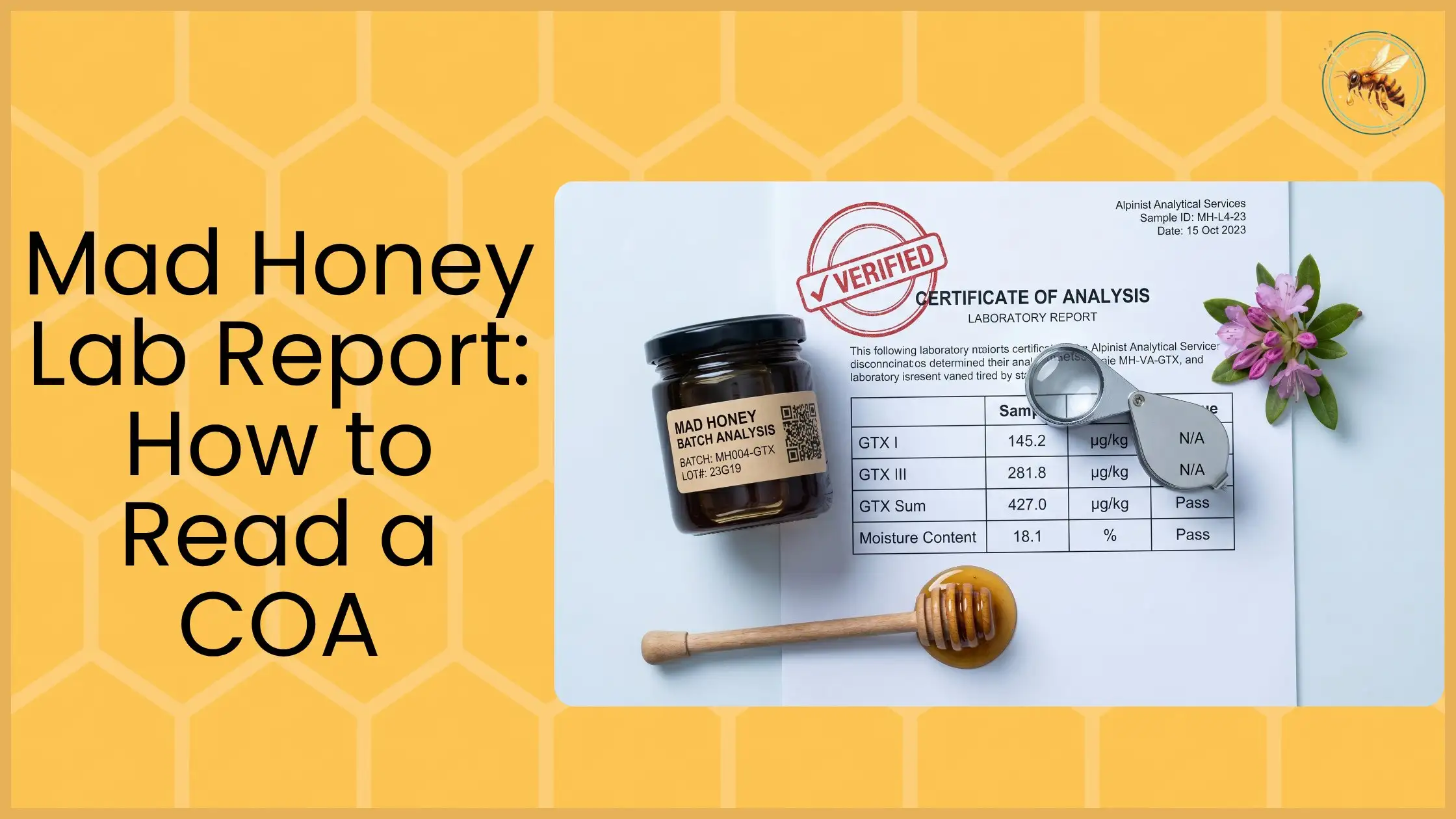
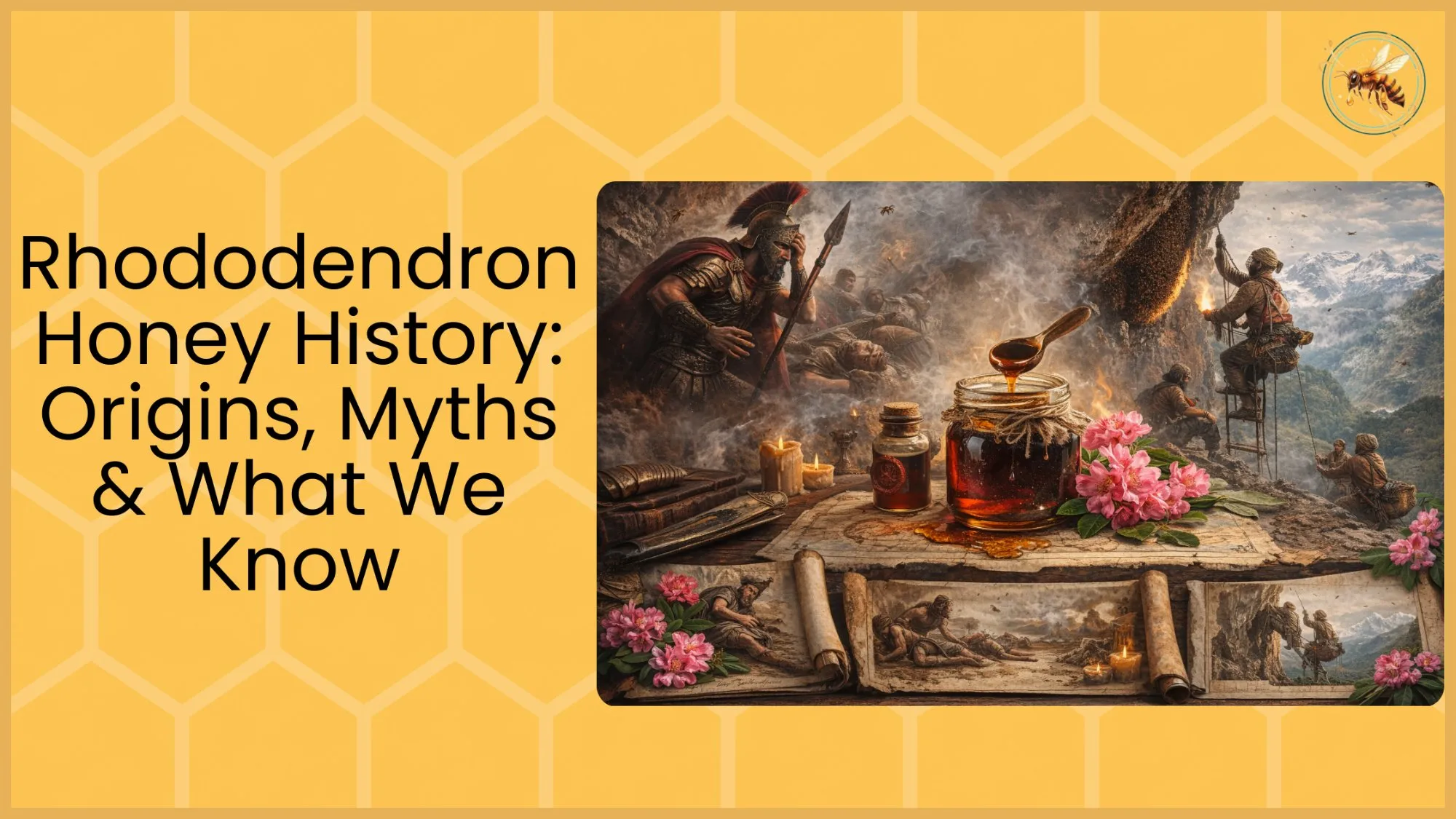
Rhododendron honey has one of the strangest “double lives” of any food. In some places it’s simply a regional honey tied to a specific flowering landscape. In others, it’s the historical backbone behind the internet’s favorite story about “mad honey,” soldiers collapsing, people “acting drunk,” and a product that feels half food, half folklore.
The problem is that modern content often compresses centuries of context into one viral narrative: “rhododendron honey = mad honey = hallucinogenic honey.” That shortcut creates confusion for buyers and exaggeration for everyone else.
The real history is more interesting, and more useful, because it shows how the same basic phenomenon can appear across regions, eras, and cultures, shaped by local plants, local names, and modern marketing.
This article maps the timeline of rhododendron honey history in a clean way:
- what rhododendron honey is (and why the term can mean different things),
- the earliest famous account that became the template for modern “mad honey” writing,
- why the Black Sea region shows up repeatedly in both historical and clinical sources,
- how Nepal/Himalayan traditions became the modern global visual story,
- what history can and can’t prove, and
- what modern science adds without turning it into hype.