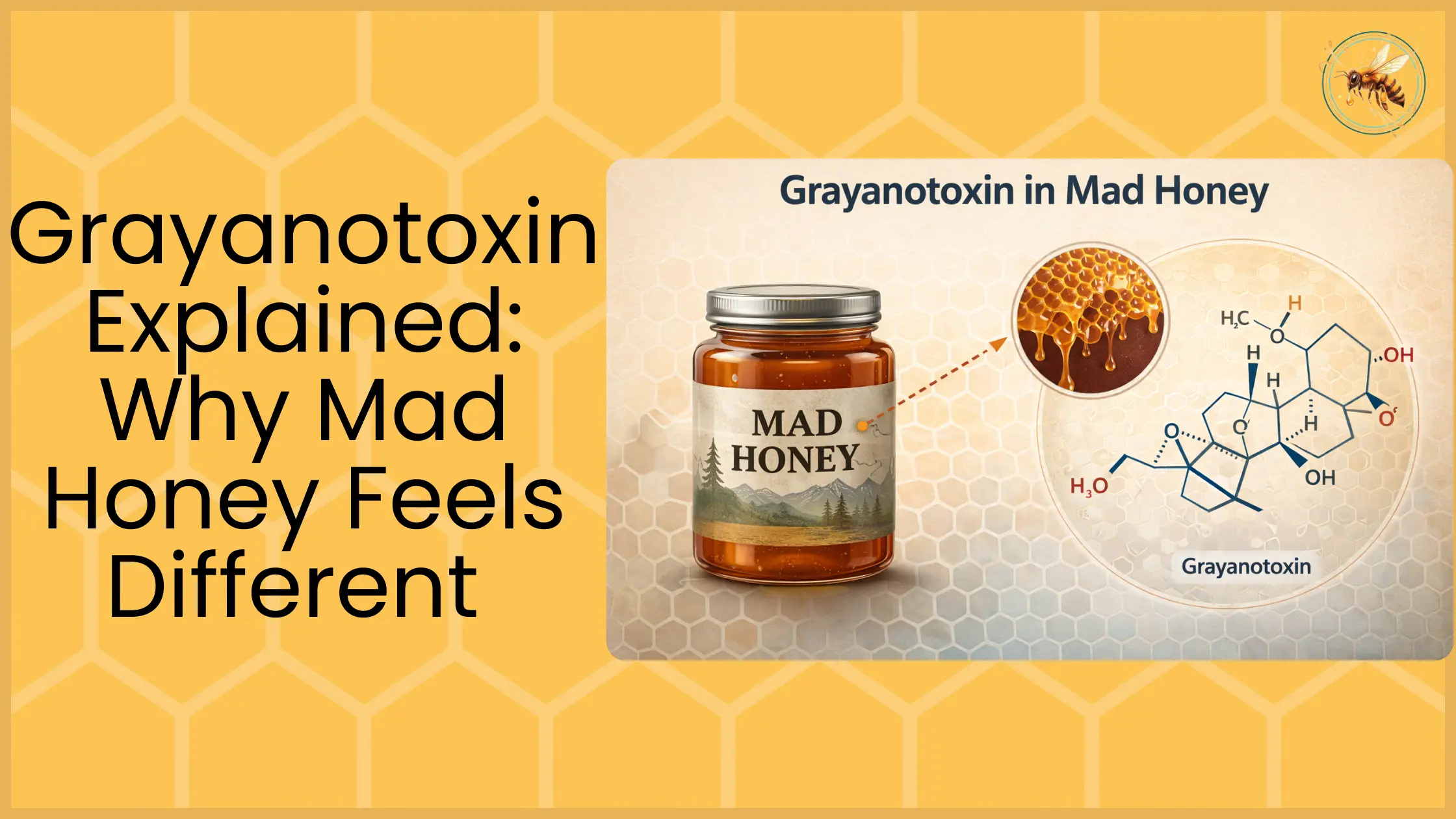
“Hallucinogenic honey” is one of those phrases that spreads because it’s exciting, not because it’s accurate. Online, it’s usually shorthand for mad honey: honey linked to nectar from certain rhododendron species that can contain grayanotoxins, naturally occurring compounds that can cause dose-dependent intoxication in humans.
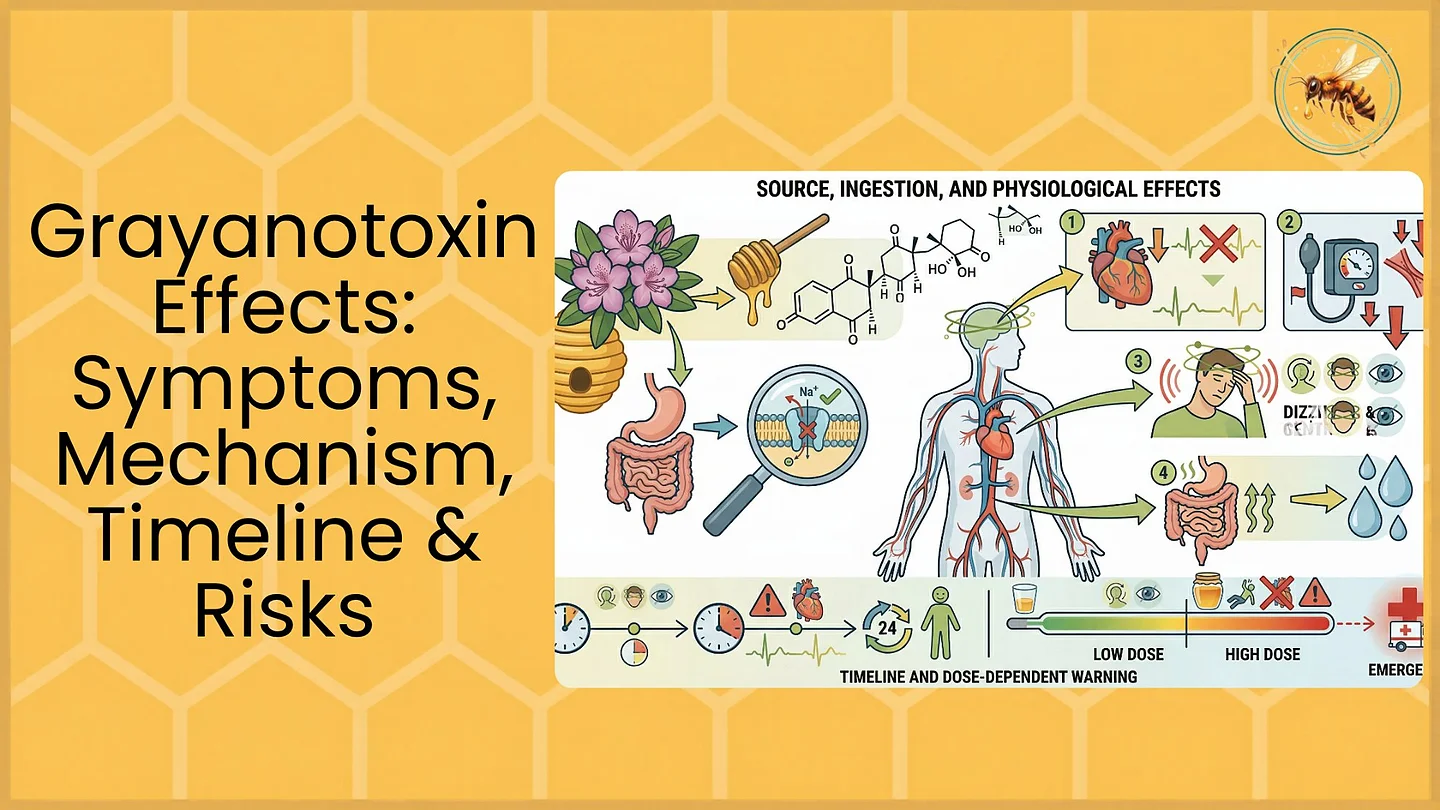
Here’s the clean truth: most of what people call “hallucinogenic honey” is better described as toxic/intoxicating honey at higher doses. Some people may report confusion or unusual perception when they overdo it, but the hallmark medical pattern centers on dizziness, nausea/vomiting, sweating, weakness, low blood pressure, and slow heart rate, not a predictable psychedelic-style trip.
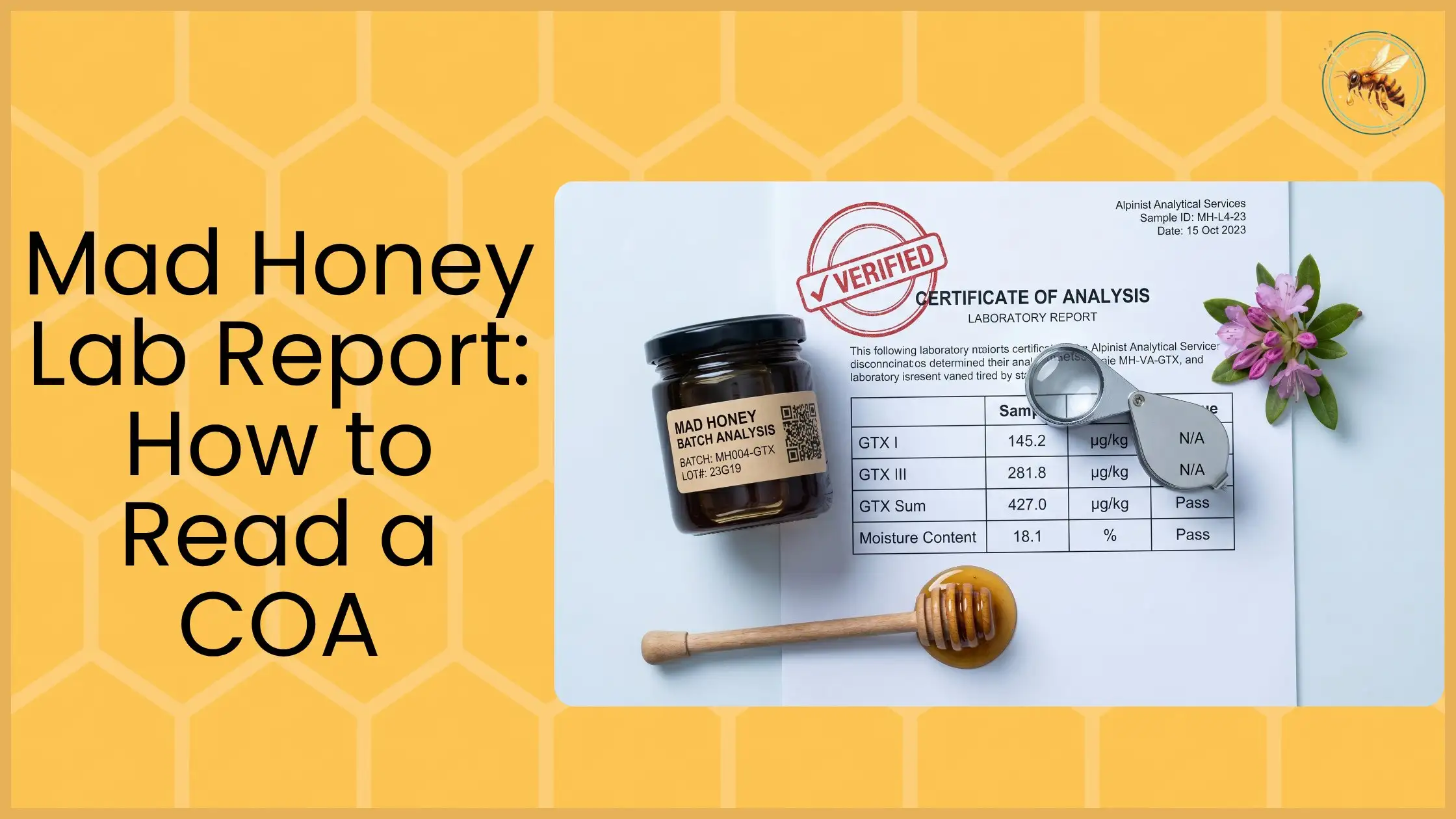
This guide explains what the term means, what honey people are referring to, why effects happen, what it can feel like in practice (without hype), how long it lasts, warning signs, who should avoid it, why “potency” varies, and how to avoid fake “hallucinogenic honey” listings.