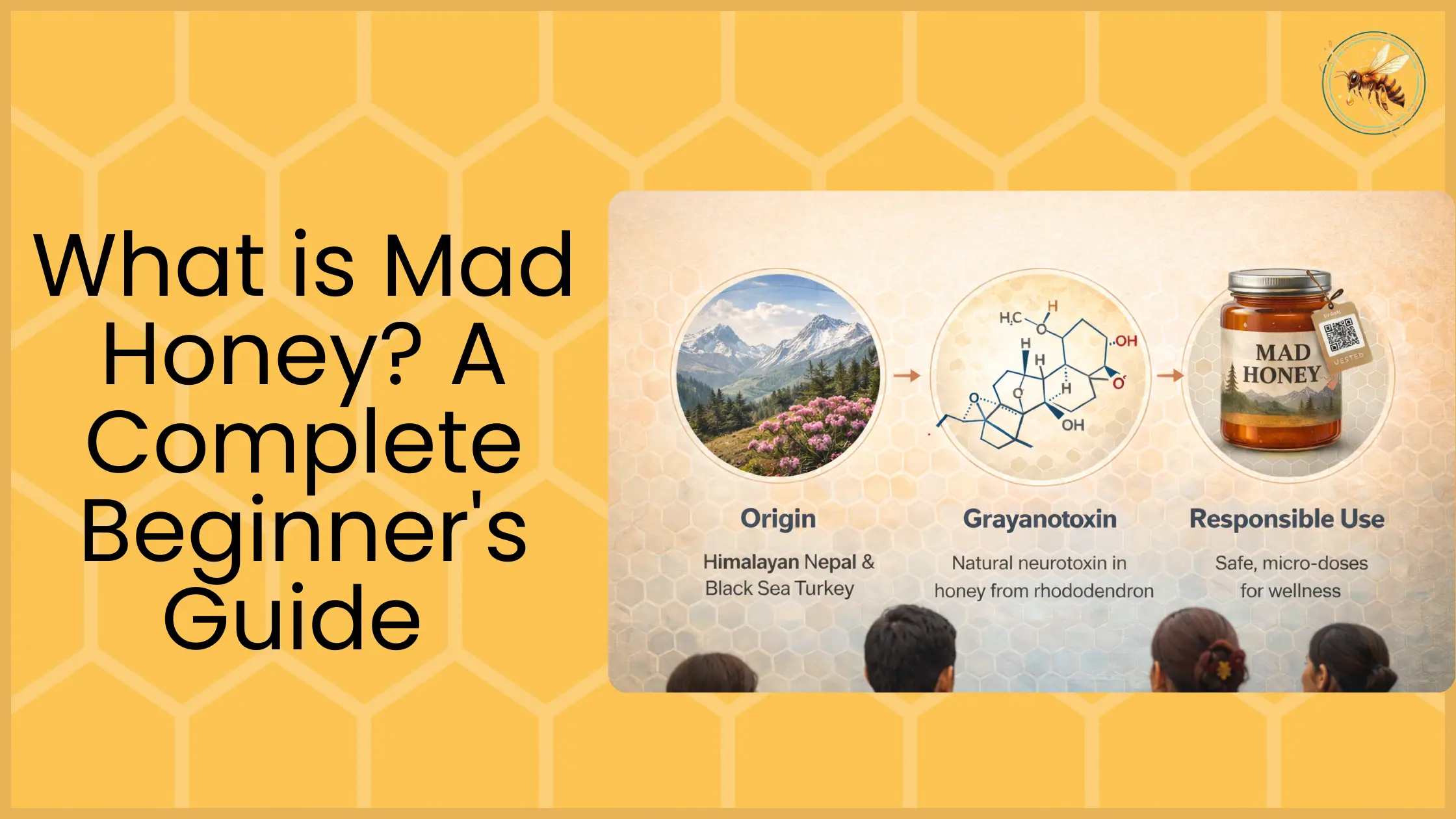
Mad honey has one of the strangest reputations of any food on Earth. In one telling, it’s a sacred mountain product. In another, it’s a weapon of war. In modern times, it’s often framed as a viral “psychoactive honey,” which is catchy, but not quite accurate.
The truth is more interesting and more useful:
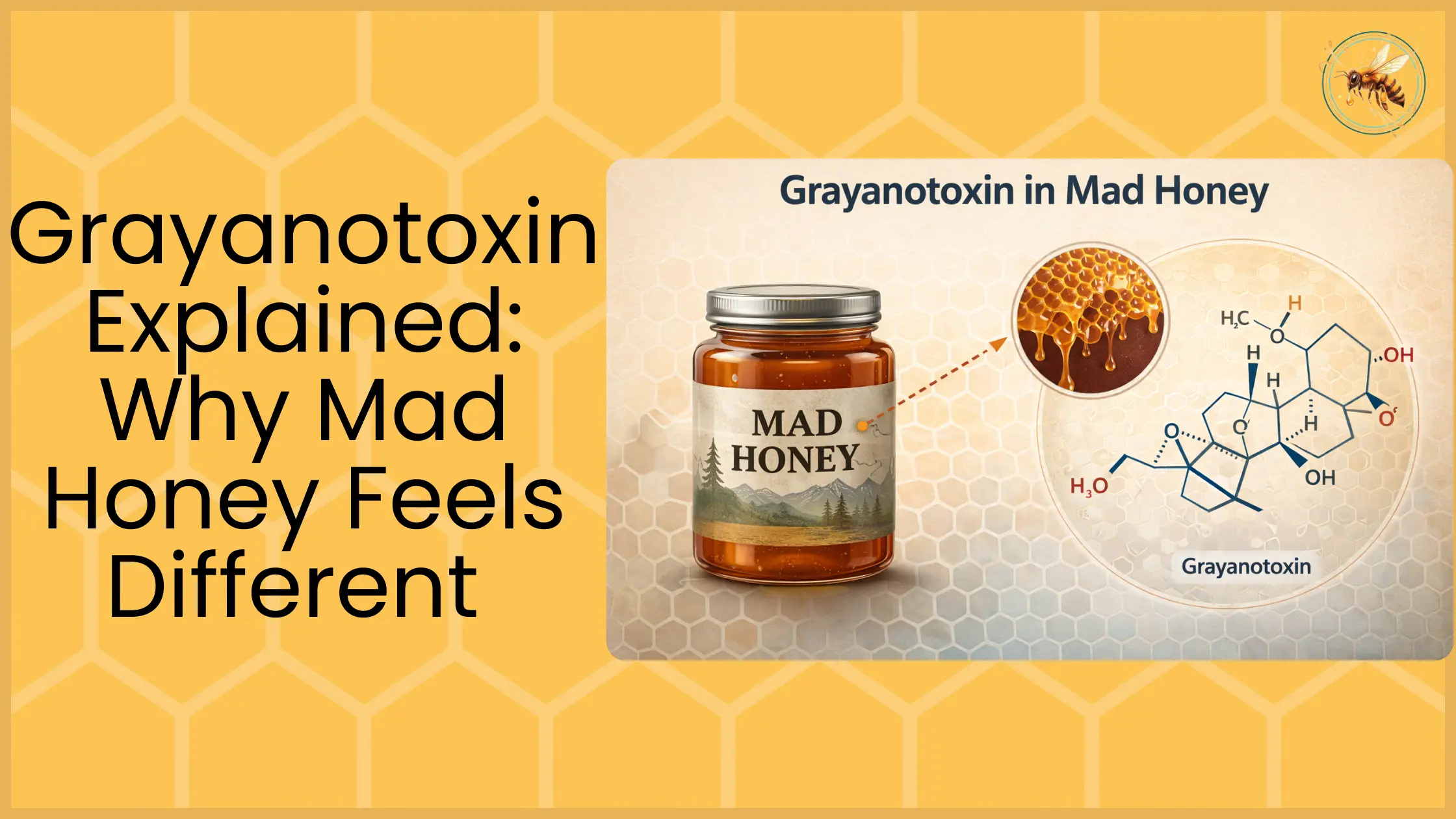
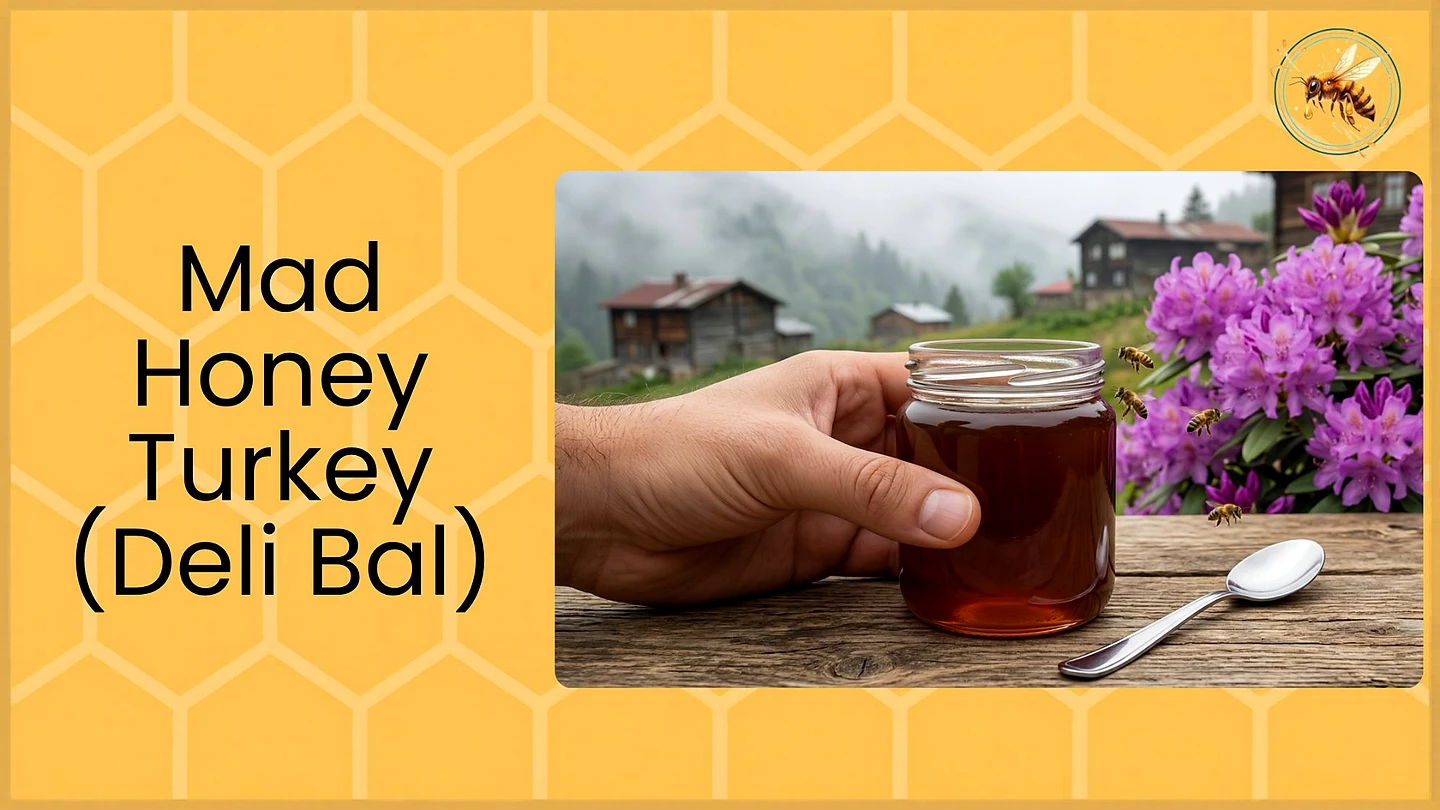
Mad honey is a real, documented phenomenon that appears again and again in the same geographic zones, especially around the Black Sea, because certain Rhododendron species in those regions can contribute grayanotoxins to nectar, which then ends up in honey.
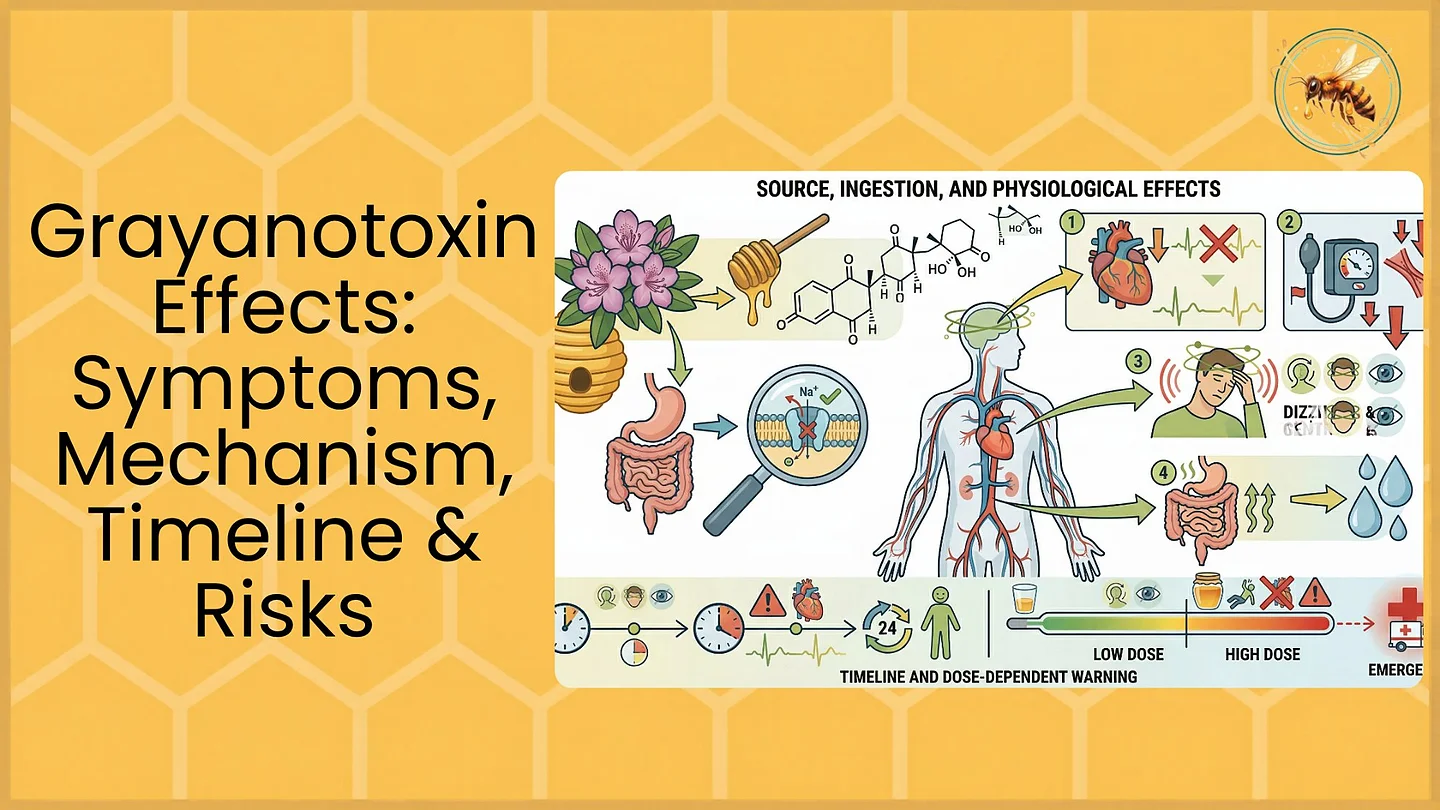
That same basic mechanism explains why ancient accounts read like curses, enchantments, or “madness,” and why modern medical reports describe bradycardia (slow heart rate) and hypotension (low blood pressure).
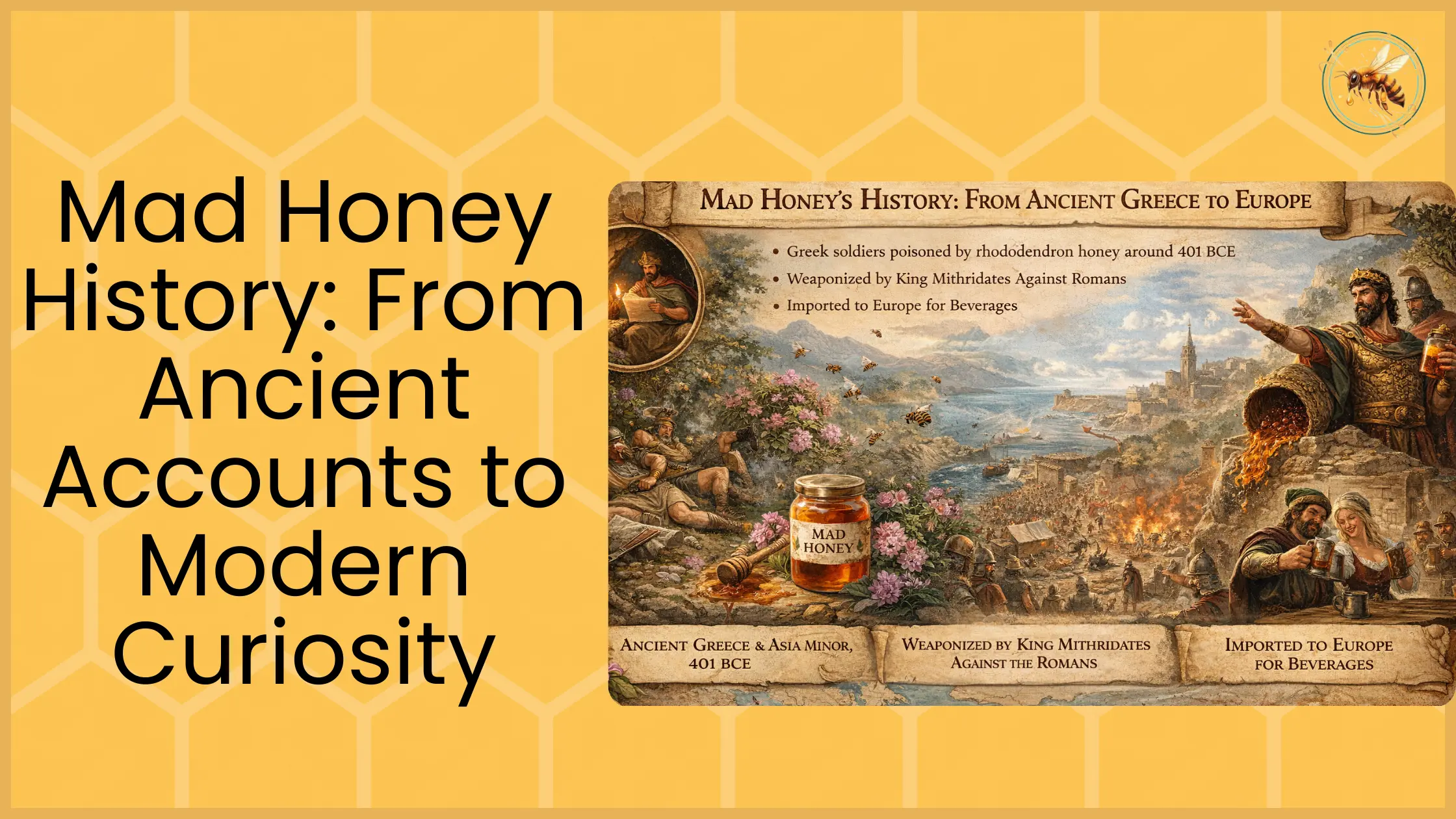
This article walks the timeline from earliest known records to today, separates myth from what history can’t prove, and finishes by connecting “legend” to modern science and safety.