Mad Honey Nepal: How It’s Harvested, Where It Comes From, and Why It’s So Rare

Mad Honey Nepal: How It’s Harvested, Where It Comes From, and Why It’s So Rare

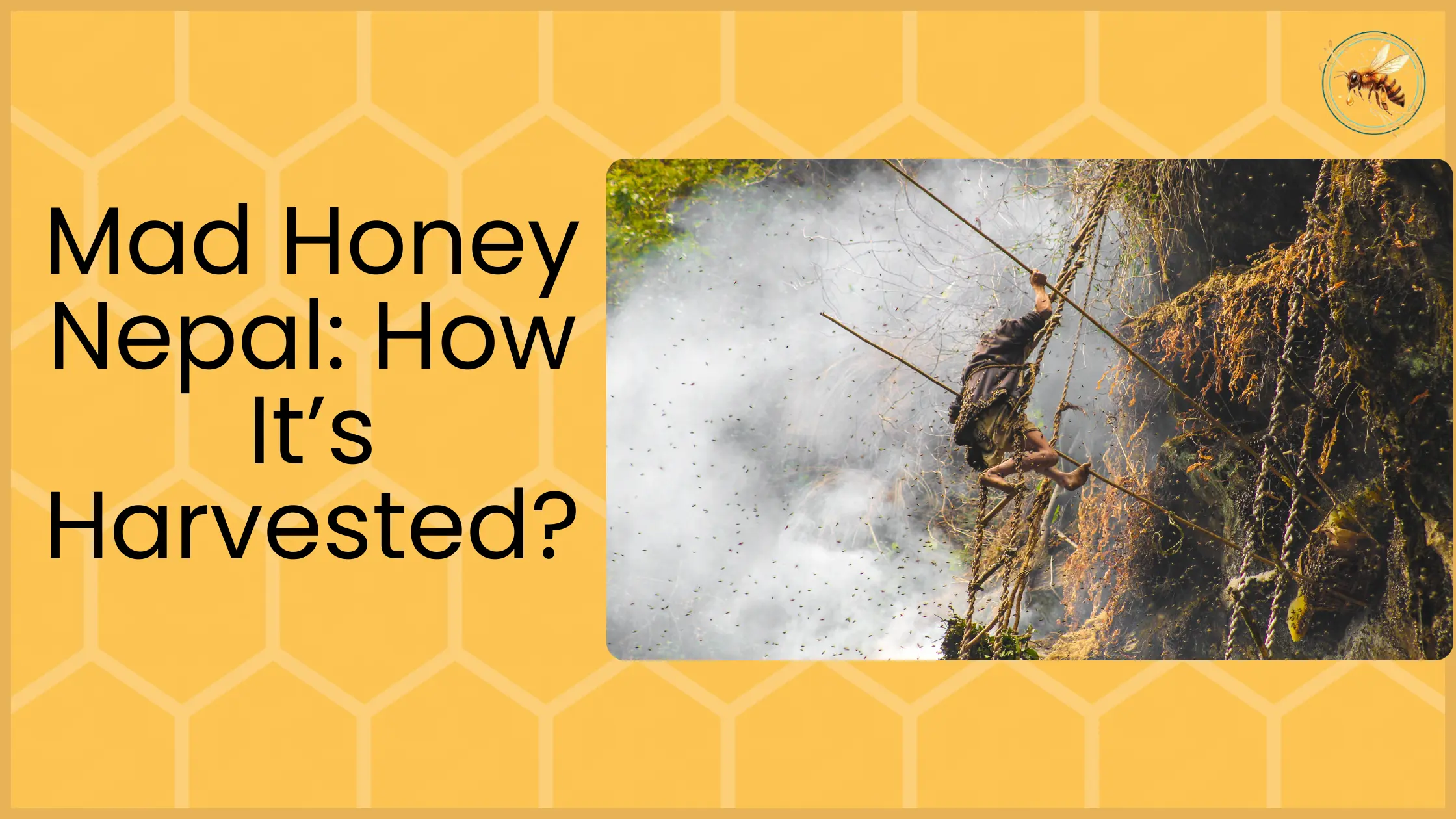
Gurung honey hunter climbing a cliff on rope ladders through smoke to harvest wild mad honey in the Himalayas of Nepal

On This Page

When people search “mad honey Nepal,” they’re usually looking for the real story behind the viral clips: honey hunters on ropes, massive cliff hives, and a honey that’s said to feel “different.”

That story is real, but the internet often compresses it into one dramatic idea: “Himalayan honey = crazy honey.”

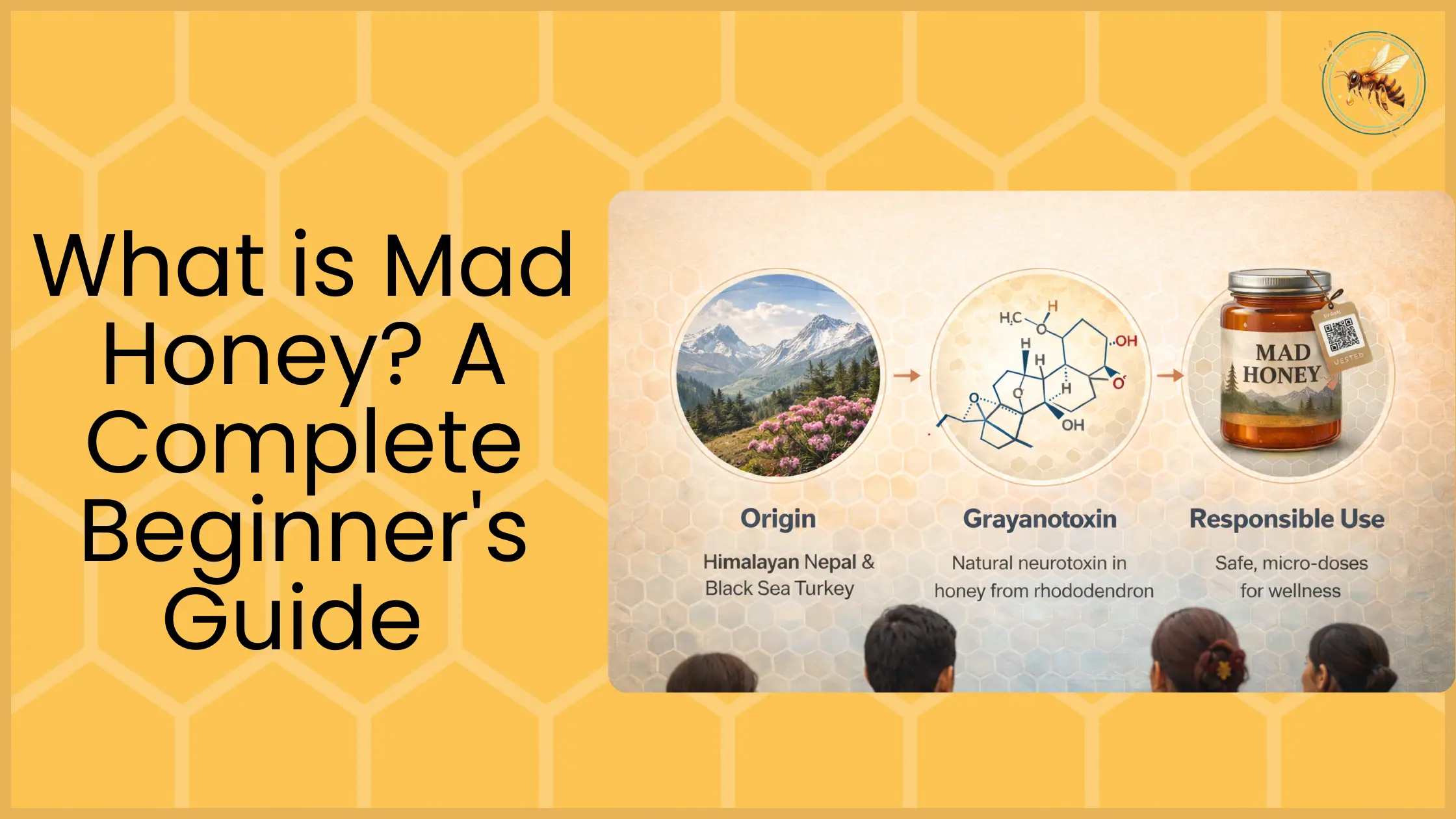
In reality, Nepal’s mad honey is best understood as a seasonal, location-specific honey tied to two things happening at the same time:

  1. Bees foraging in rhododendron-rich mountain zones (where grayanotoxins can enter nectar)
  2. Wild harvesting from cliff-nesting bees in hard-to-reach places

The result is a honey that can be rare, inconsistent, and sometimes misrepresented online. And that’s why Nepal mad honey needs the same mindset as any powerful natural product category: curiosity + respect + traceability.

    Lorem ipsum dolor sit amet, consectetur adipiscing elit. Ut elit tellus, luctus nec ullamcorper mattis, pulvinar dapibus leo.

    Lorem ipsum dolor sit amet, consectetur adipiscing elit. Ut elit tellus, luctus nec ullamcorper mattis, pulvinar dapibus leo.

    What People Ask About Mad Honey

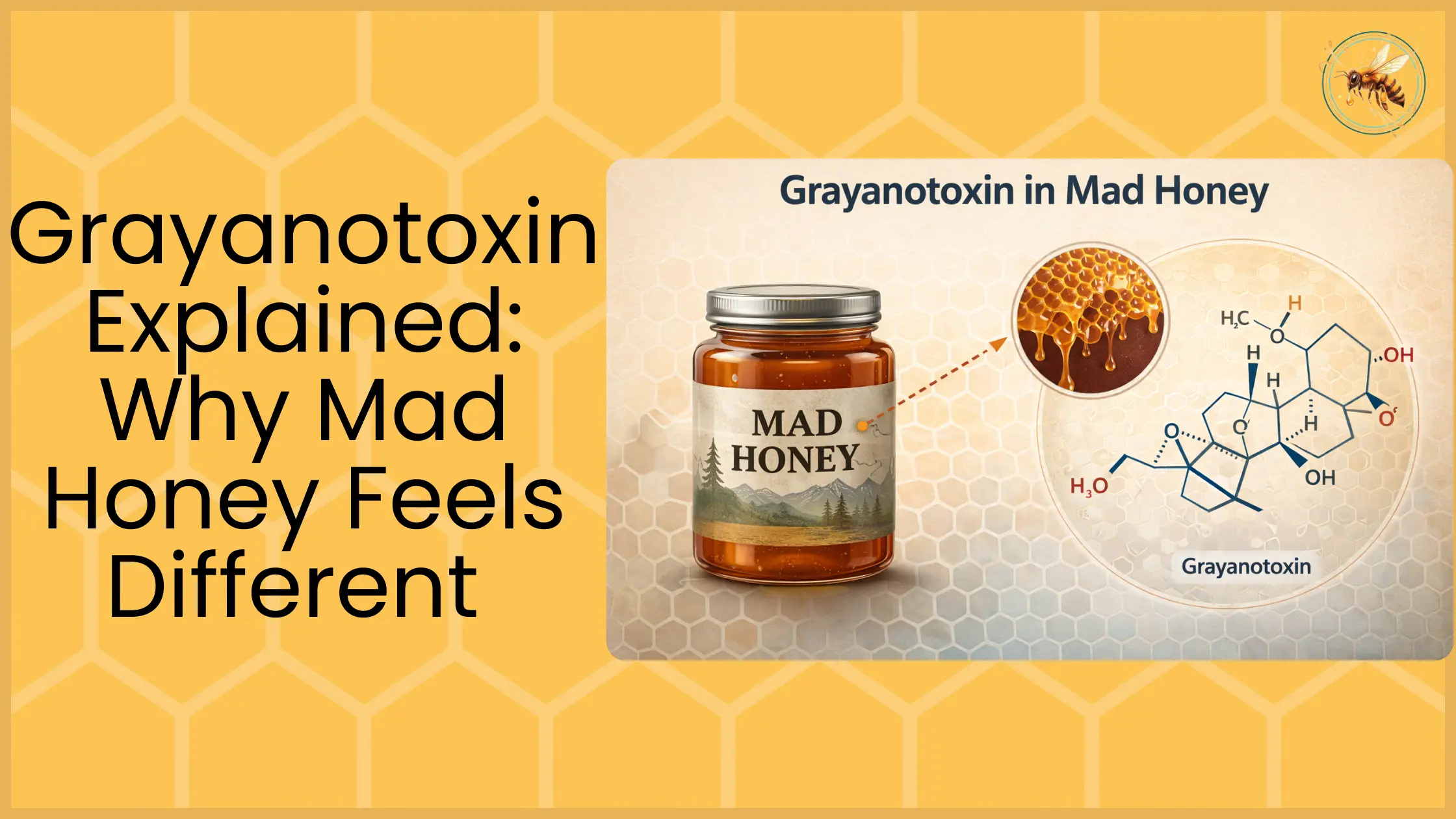
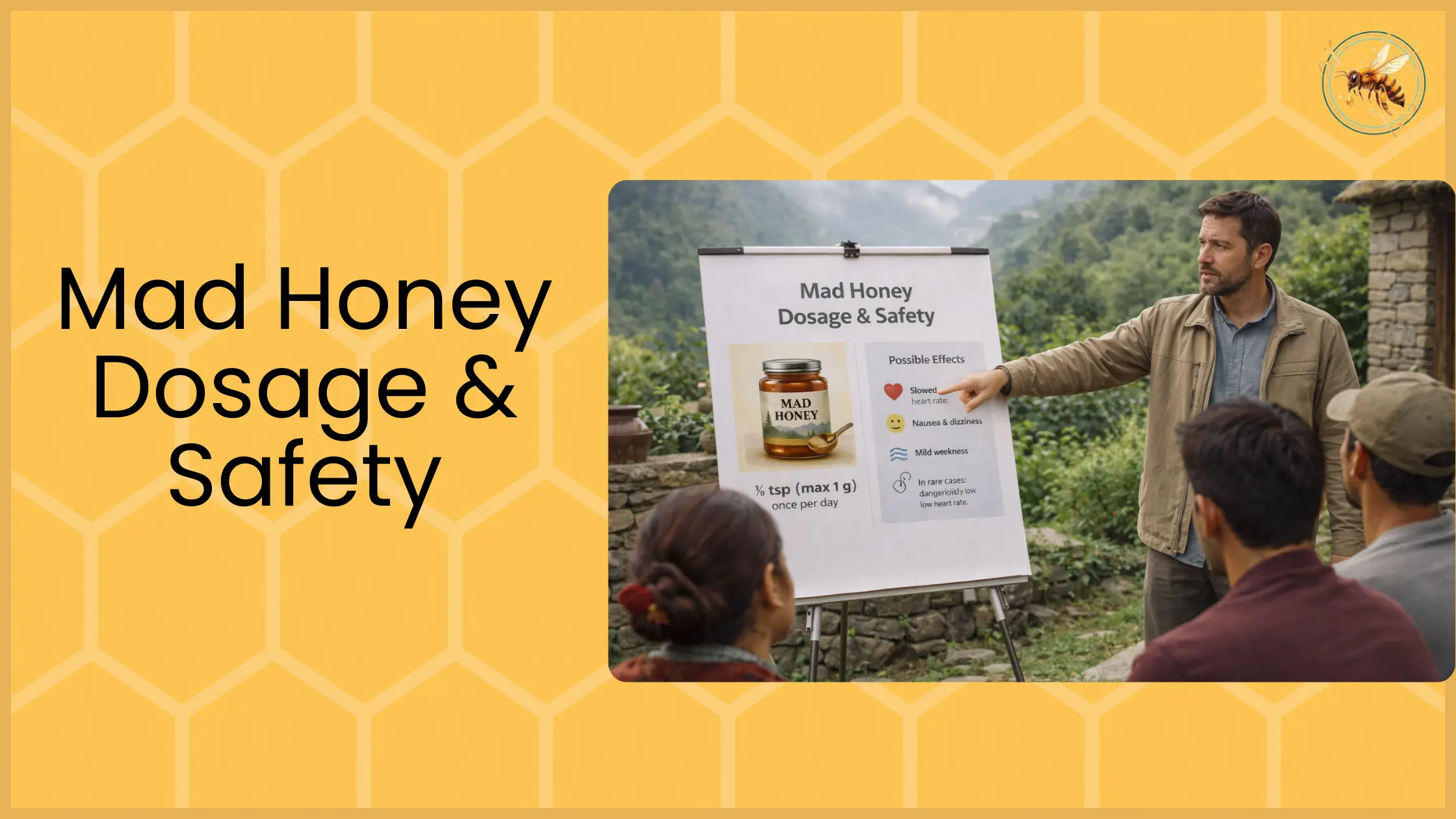
    A compound called grayanotoxin, naturally produced by Rhododendron flowers in Nepal and Turkey. Bees collect the nectar and it carries over into the honey. At low doses it creates a mild buzzing, warmth, and lightheadedness. At high doses it can cause vomiting, low blood pressure, and temporary heart rate changes.

    At small doses,1 teaspoon or less for a first-time user, most healthy adults tolerate it without serious issues. The risk comes from taking too much, too fast. People with heart conditions, low blood pressure, or who are pregnant should avoid it entirely. It is not safe to treat as a recreational substance without understanding the dose.

    In most countries, including the US, UK, and EU, mad honey is not a controlled substance and is legal to buy. The risk is at customs; shipments without proper food labeling or certificates of origin can be seized. Australia and Canada have stricter food import enforcement. Check the legality guide for your specific country.

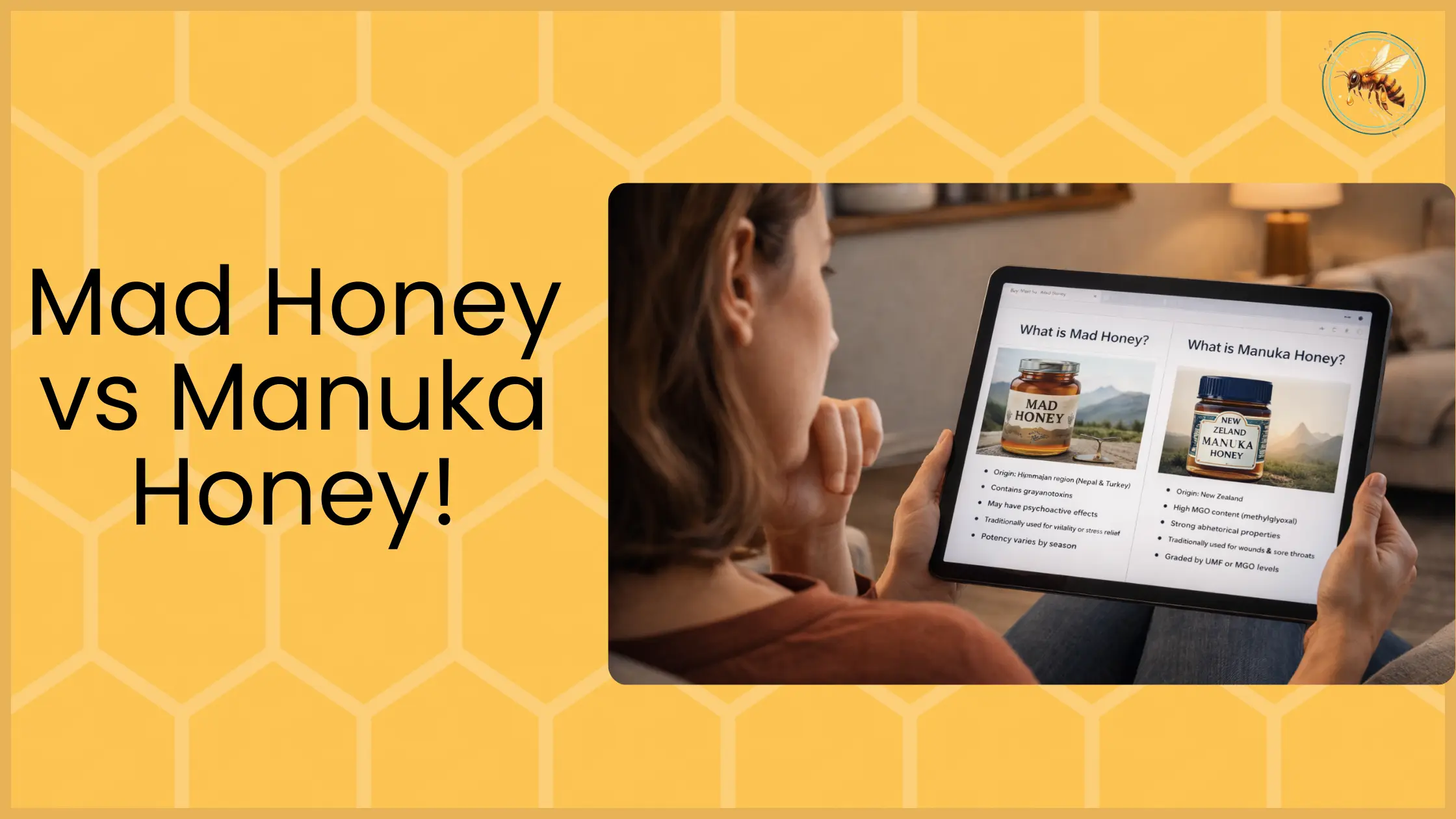
    Beyond grayanotoxin, real mad honey has a distinctly bitter, slightly astringent taste, unlike the sweetness of regular honey. It’s darker, thicker, and produced in very limited quantities from specific high-altitude harvests. It is not a mass-produced product and should not be used as a food substitute or daily sweetener.

    In most countries, yes, mad honey is not a controlled substance. It’s sold legally in Nepal, Turkey, the US, UK, and most of Europe. The exception is if it’s mislabeled or imported without proper food safety documentation. Legality of buying is different from legality of importing, customs is where most issues arise.

    Accordion ContentReal mad honey comes only from Nepal or Turkey. It should have a certificate of analysis (COA) confirming grayanotoxin content, a traceable harvest region, and no added ingredients. Price is a signal, genuine product costs significantly more than regular honey. If it’s cheap, it’s almost certainly diluted or fake.

    Accordion CoThere’s no federal law banning resale, but sellers must comply with FDA food labeling rules. Selling it with claims about medical effects or psychoactive properties can trigger regulatory issues. Most reputable sellers avoid health claims entirely and label it as a specialty food.ntent

    Latest Updates

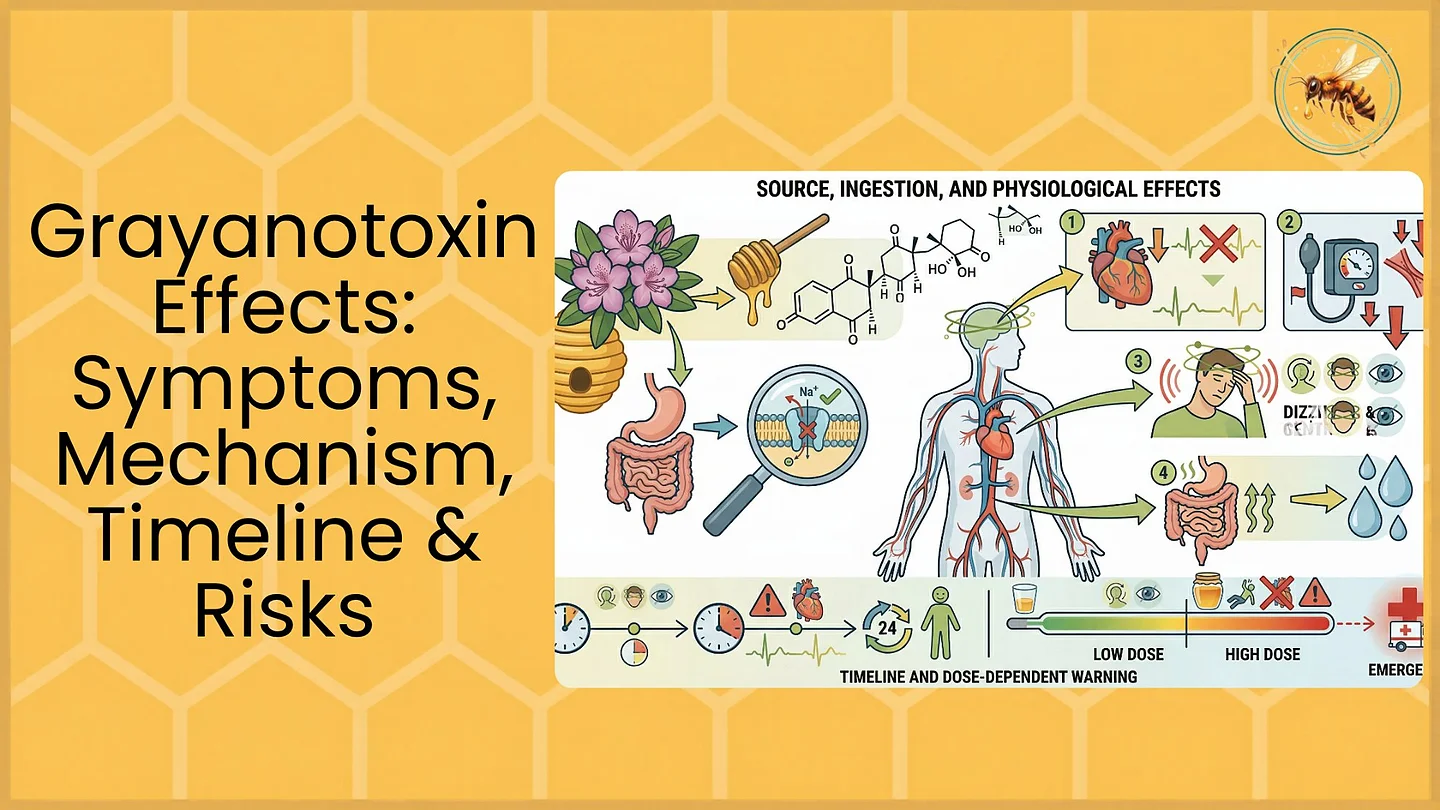
    Grayanotoxin Effects: What They Do

    Grayanotoxins are the compounds behind what most people call “mad honey.” They’re not a mystery

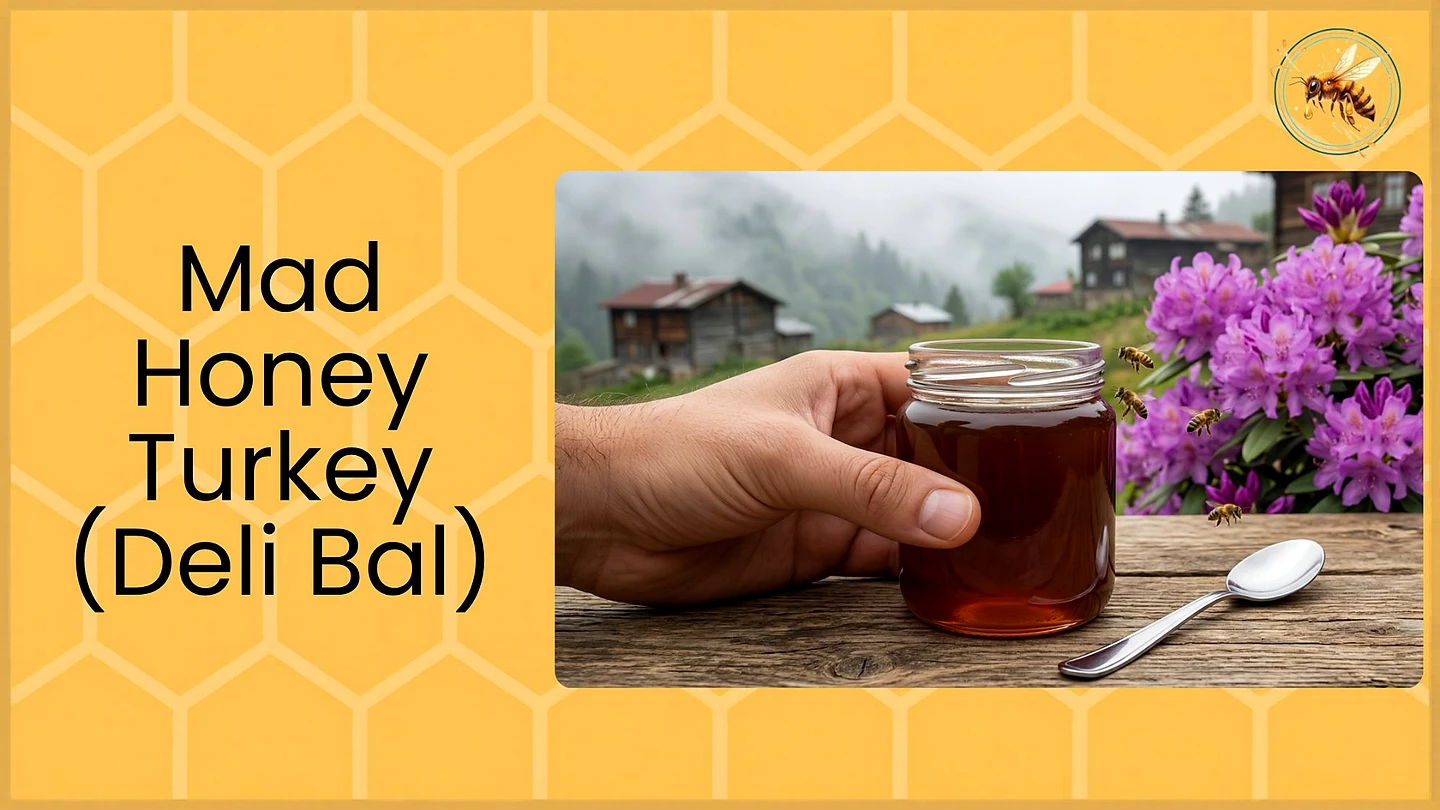
    Mad Honey in Turkey: What

    If you’ve seen “mad honey from Turkey” trending online, you’ve probably also seen the two

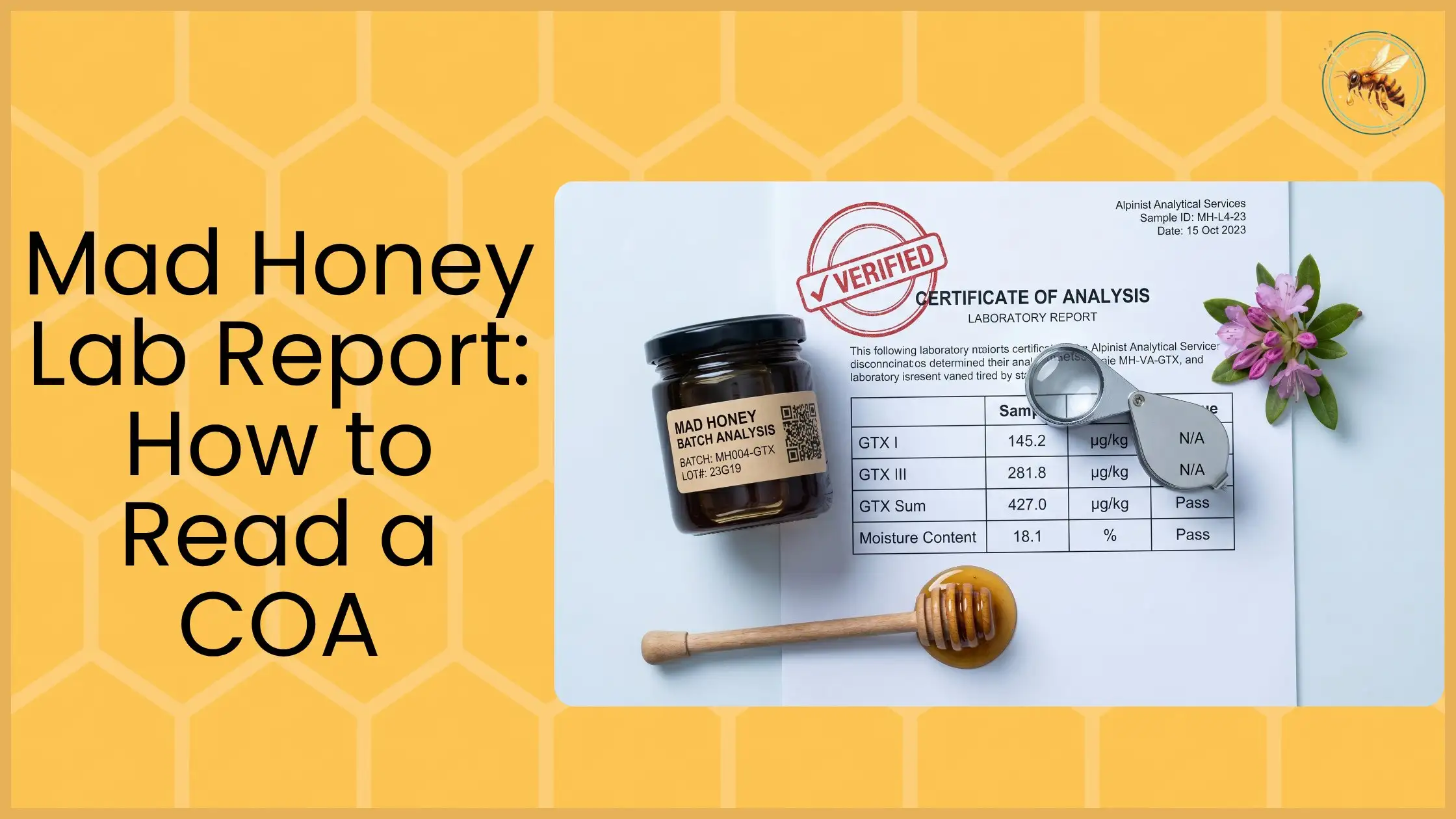
    Mad Honey Lab Report (COA)

    A “lab tested” label doesn’t mean much unless you can see a real, batch-matched report

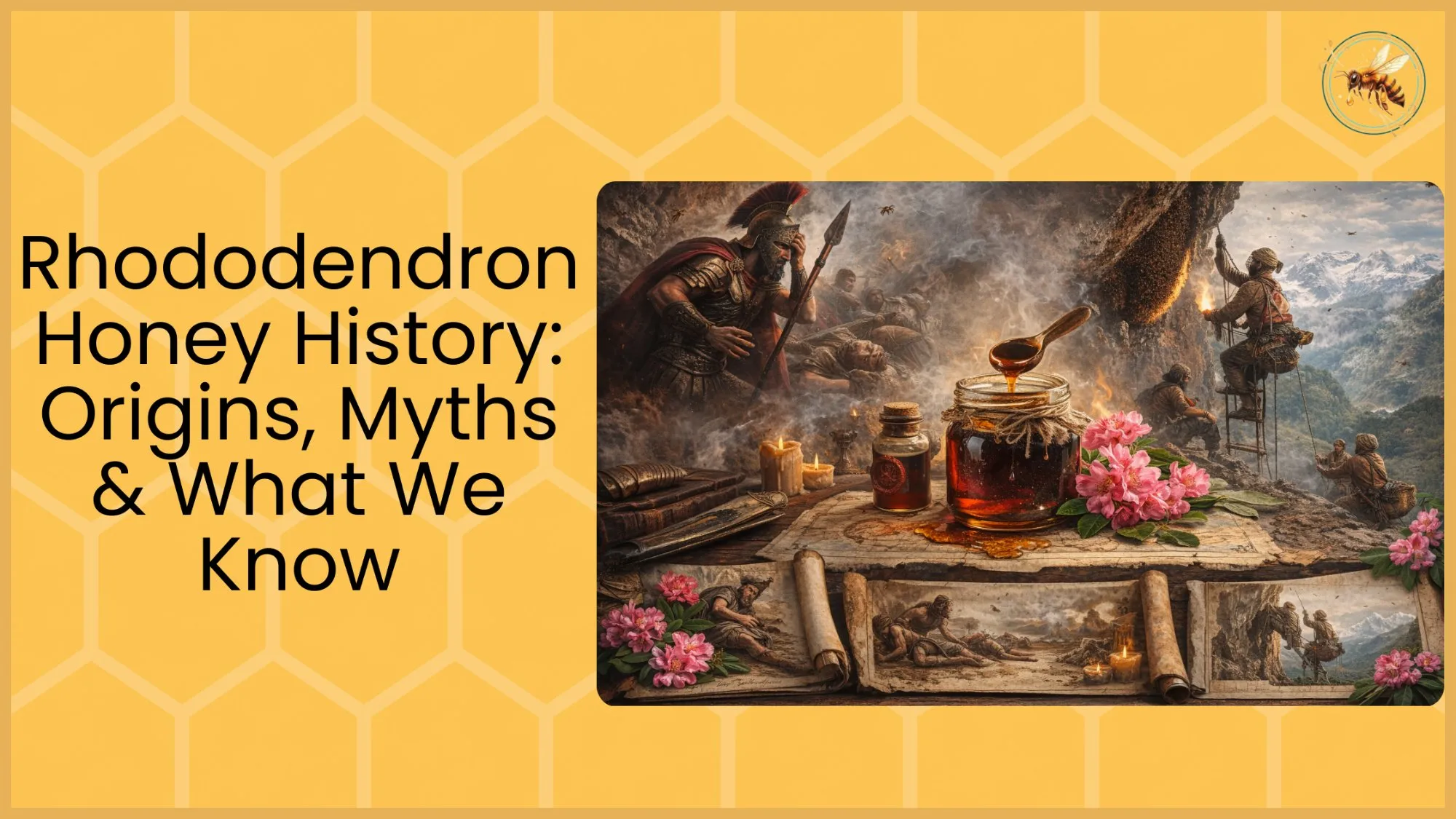
    Rhododendron Honey History: Ancient Accounts,

    Rhododendron honey has one of the strangest “double lives” of any food. In some places