Turkish Mad Honey (Deli Bal): What It Is, Where It Comes From, Effects, and Safety

Turkish Mad Honey (Deli Bal): What It Is, Where It Comes From, Effects, and Safety

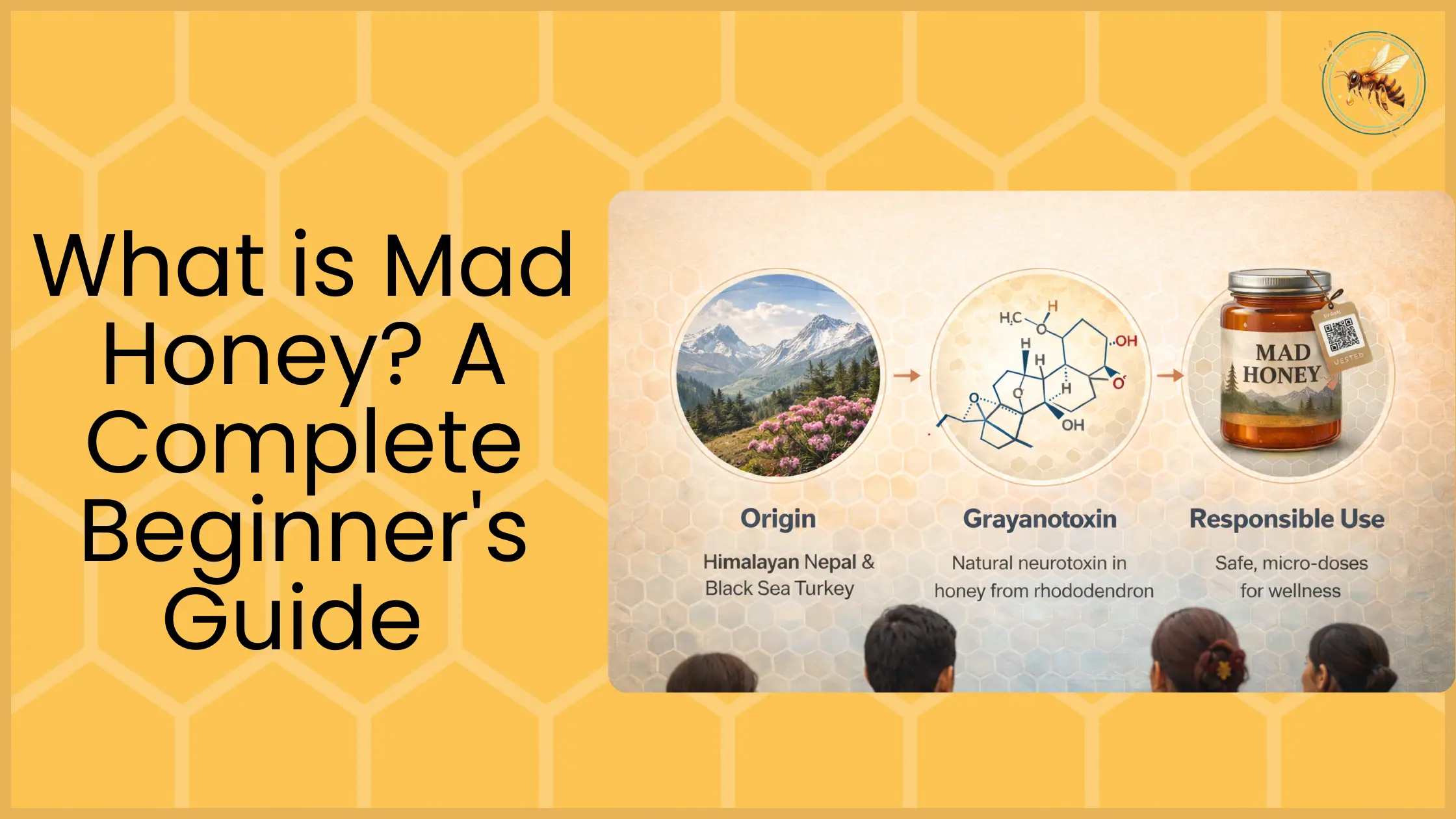
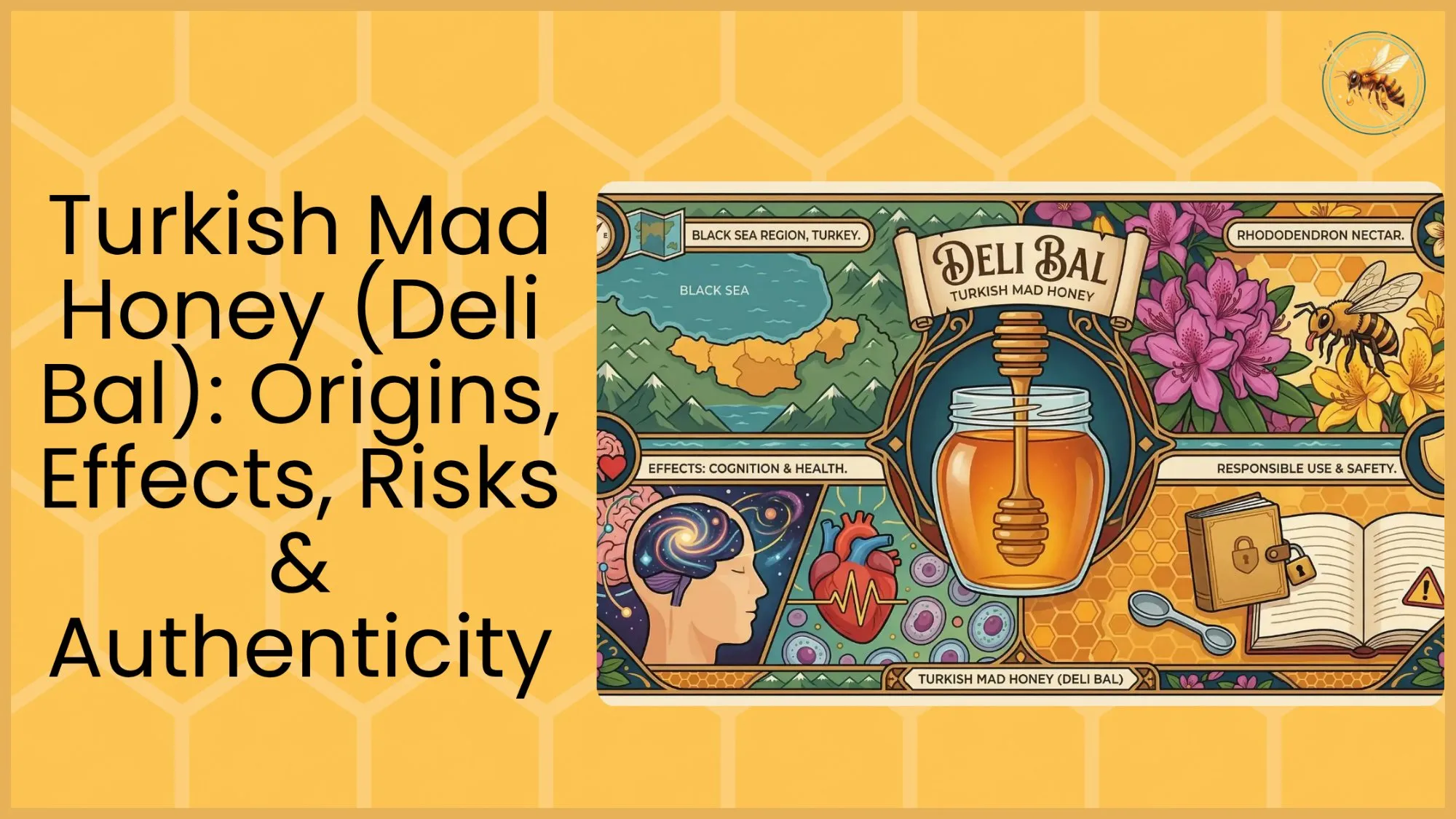
A branded thumbnail for Turkish mad honey Deli Bal featuring an art nouveau infographic with a Black Sea region map of Turkey, a honey jar with dipper, rhododendron flowers, a bee, brain and heart cognition icons, and responsible use safety symbols on a yellow honeycomb background.

On This Page

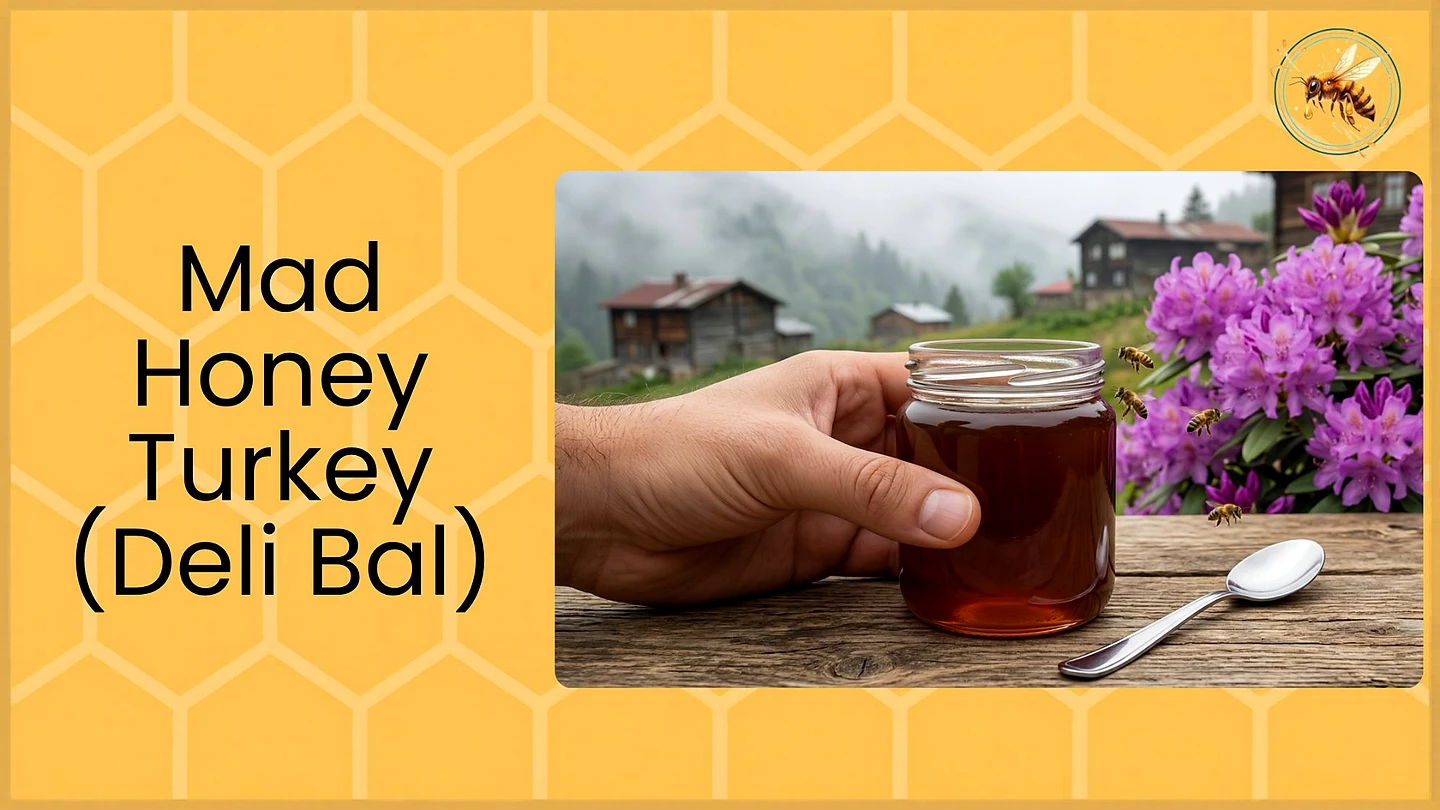
Turkish mad honey, often called deli bal, is one of the most misunderstood honey products online. Some people describe it as “hallucinogenic honey,” others as a folk remedy, and some assume anything labeled “mad honey” must be from Nepal. In reality, Turkey’s Black Sea region has its own long-standing tradition of rhododendron-linked honey, and it deserves a clean, accurate explanation grounded in ecology, chemistry, and safety.

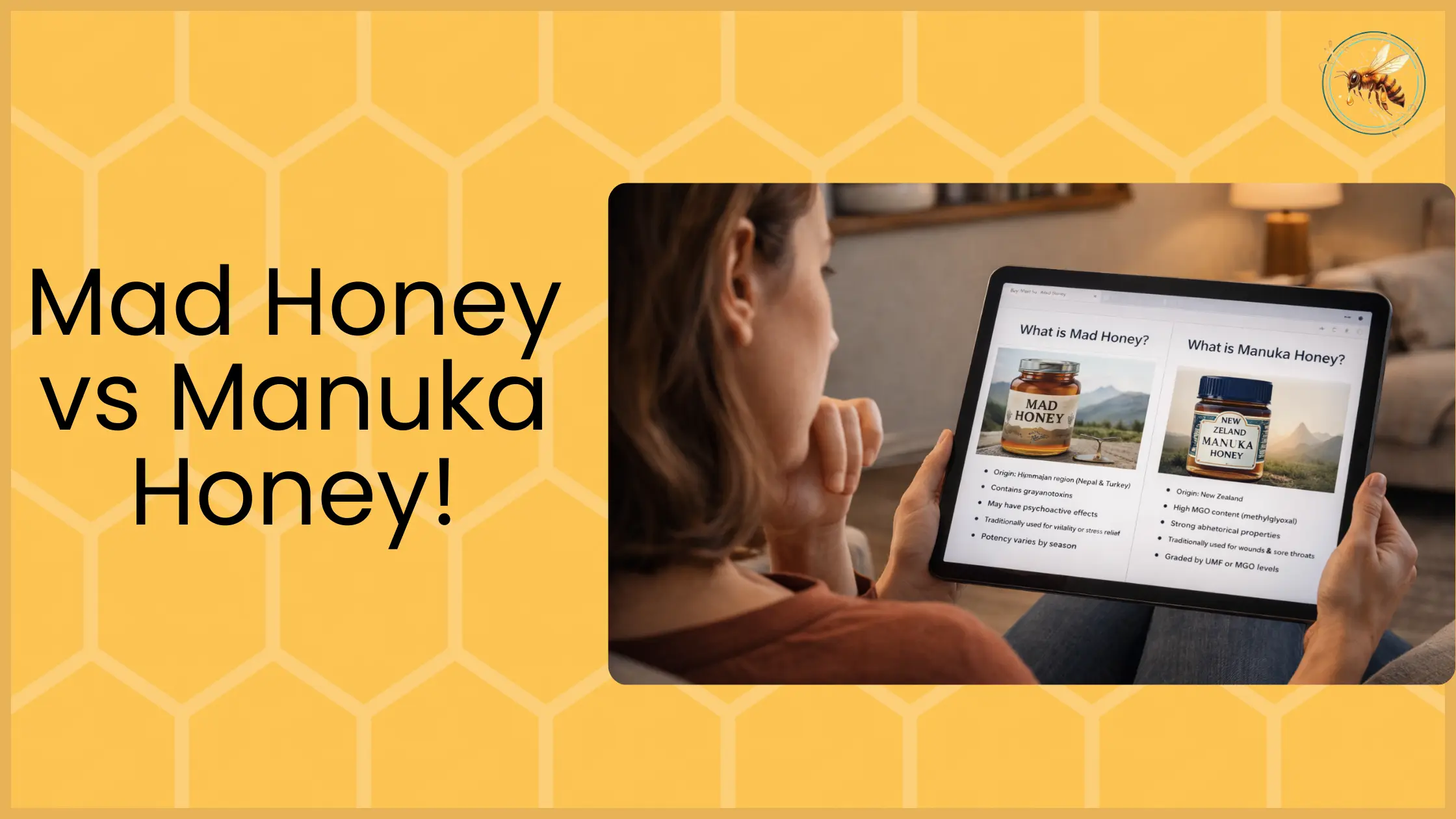
This guide will walk you through what Turkish mad honey is, where it comes from, why it can cause noticeable effects, how it differs from Himalayan/Nepal mad honey, and how to avoid fake “deli bal” listings.

    Lorem ipsum dolor sit amet, consectetur adipiscing elit. Ut elit tellus, luctus nec ullamcorper mattis, pulvinar dapibus leo.

    Lorem ipsum dolor sit amet, consectetur adipiscing elit. Ut elit tellus, luctus nec ullamcorper mattis, pulvinar dapibus leo.

    What People Ask About Mad Honey

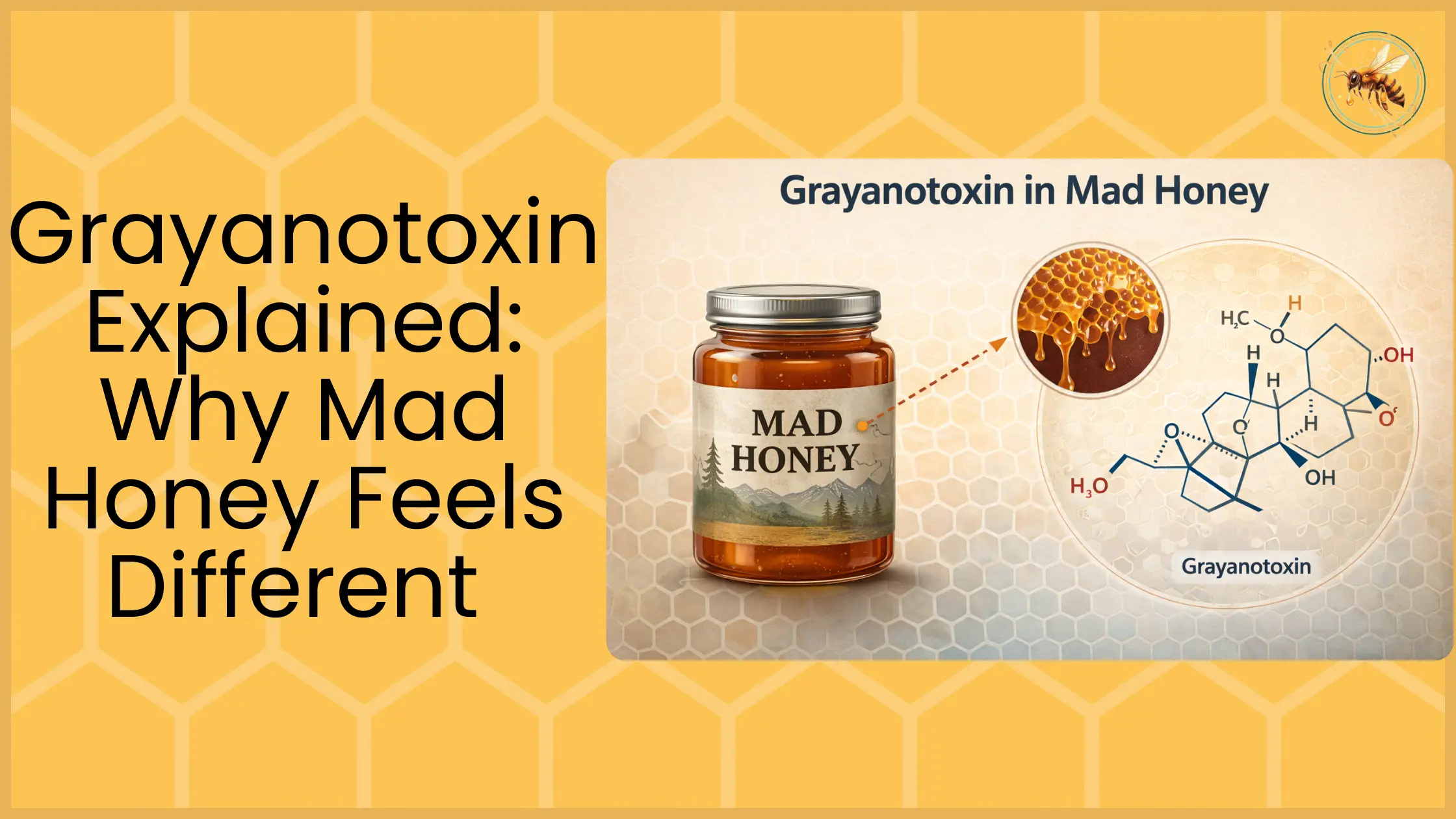
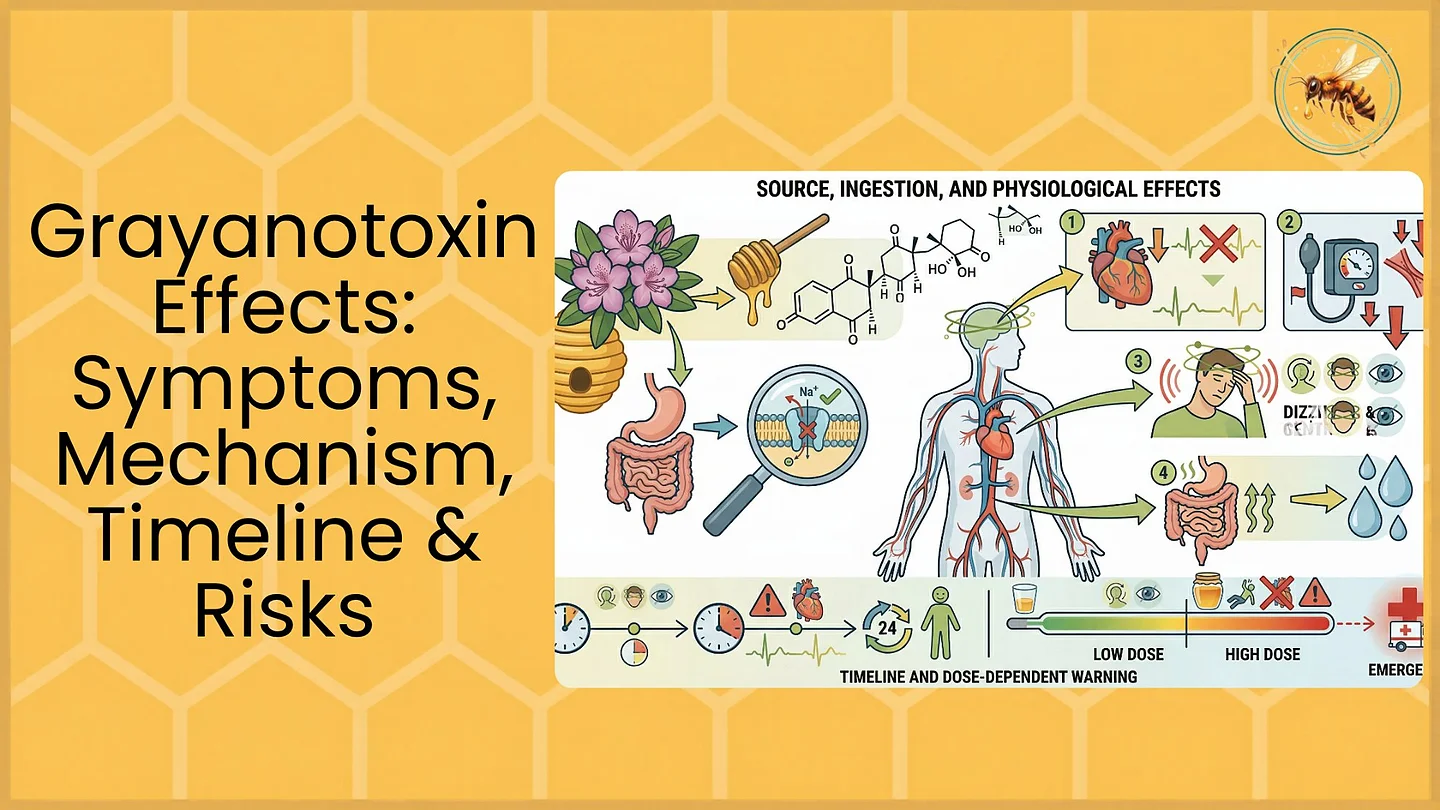
    A compound called grayanotoxin, naturally produced by Rhododendron flowers in Nepal and Turkey. Bees collect the nectar and it carries over into the honey. At low doses it creates a mild buzzing, warmth, and lightheadedness. At high doses it can cause vomiting, low blood pressure, and temporary heart rate changes.

    At small doses,1 teaspoon or less for a first-time user, most healthy adults tolerate it without serious issues. The risk comes from taking too much, too fast. People with heart conditions, low blood pressure, or who are pregnant should avoid it entirely. It is not safe to treat as a recreational substance without understanding the dose.

    In most countries, including the US, UK, and EU, mad honey is not a controlled substance and is legal to buy. The risk is at customs; shipments without proper food labeling or certificates of origin can be seized. Australia and Canada have stricter food import enforcement. Check the legality guide for your specific country.

    Beyond grayanotoxin, real mad honey has a distinctly bitter, slightly astringent taste, unlike the sweetness of regular honey. It’s darker, thicker, and produced in very limited quantities from specific high-altitude harvests. It is not a mass-produced product and should not be used as a food substitute or daily sweetener.

    In most countries, yes, mad honey is not a controlled substance. It’s sold legally in Nepal, Turkey, the US, UK, and most of Europe. The exception is if it’s mislabeled or imported without proper food safety documentation. Legality of buying is different from legality of importing, customs is where most issues arise.

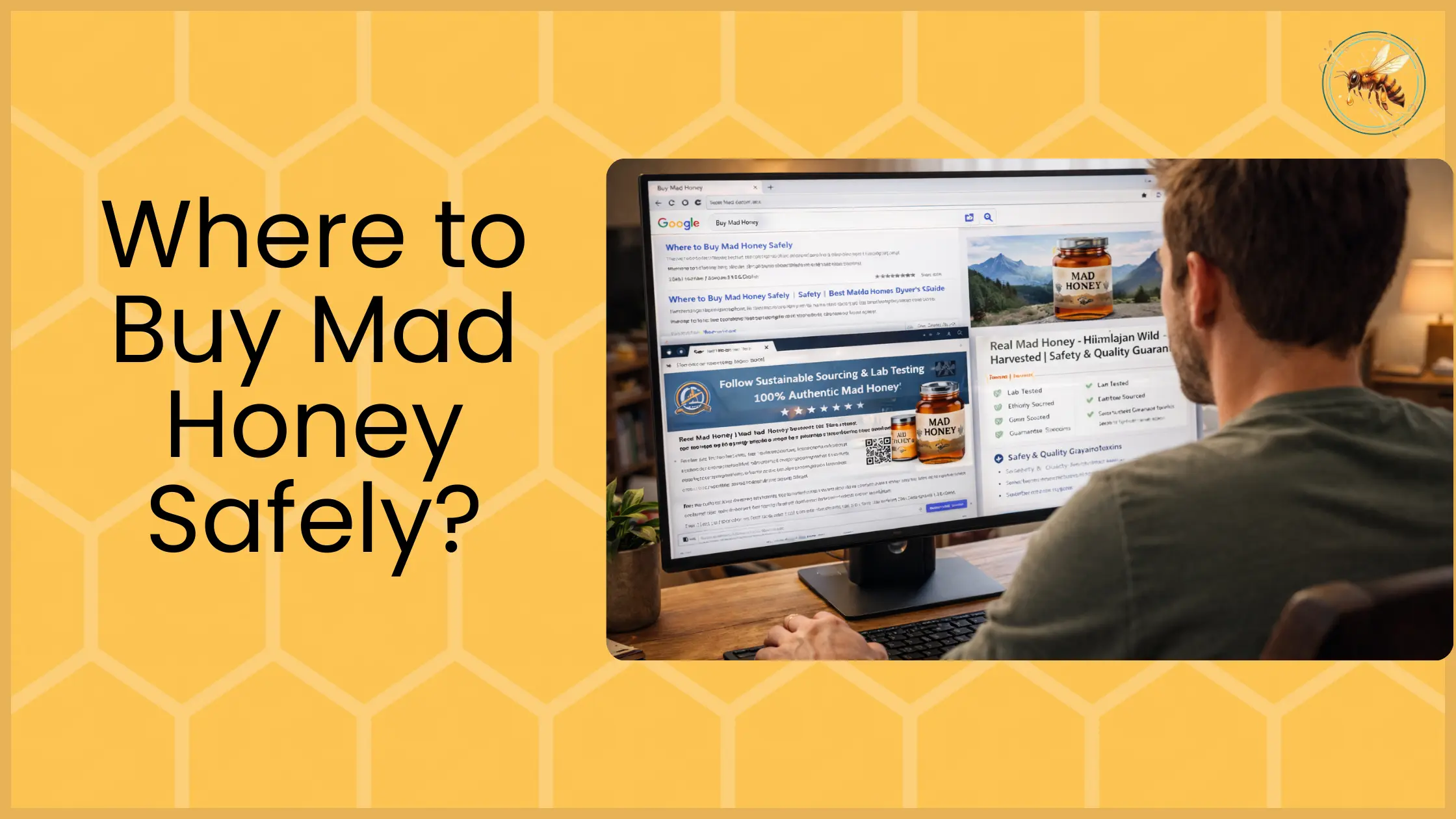
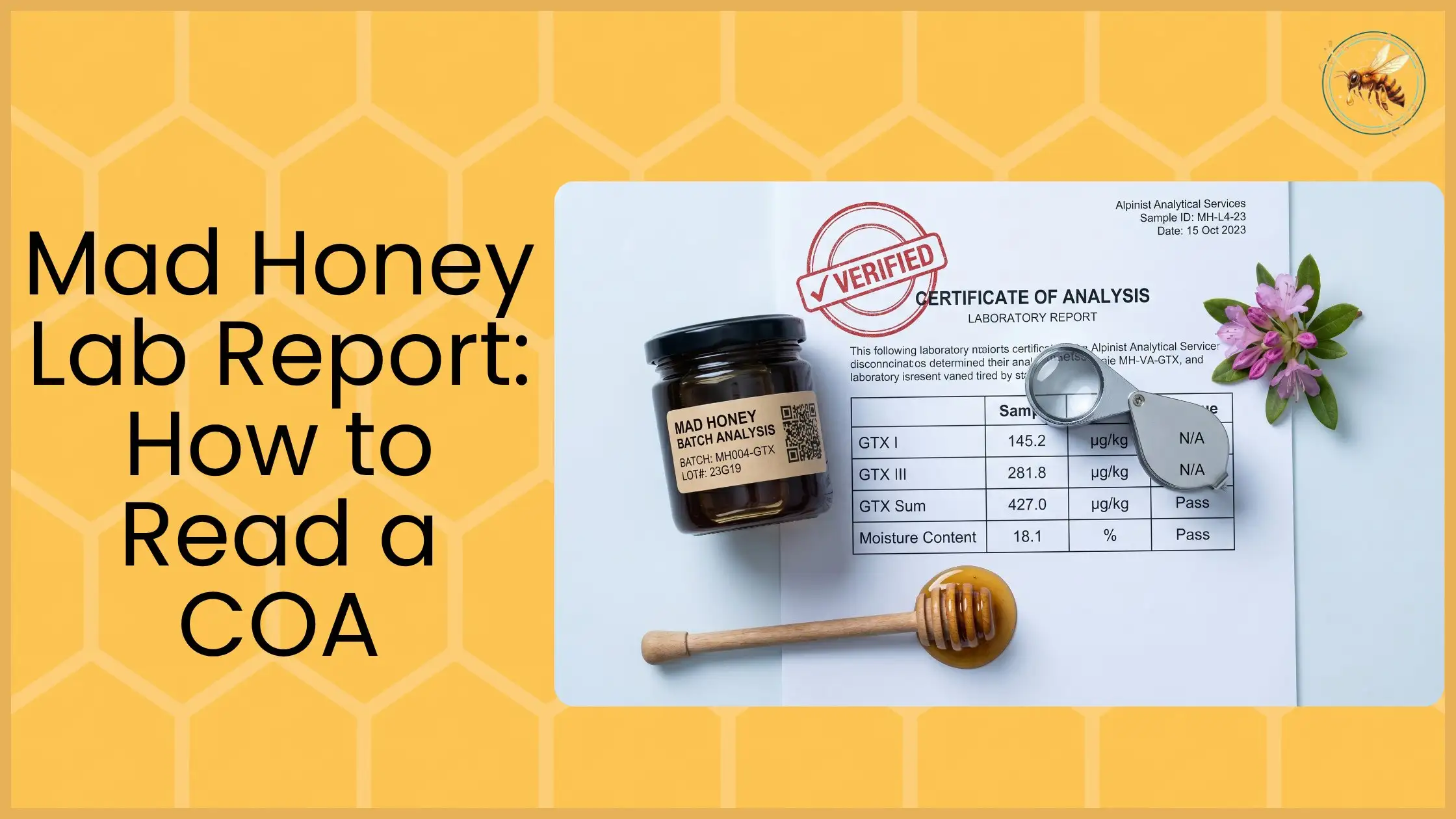
    Accordion ContentReal mad honey comes only from Nepal or Turkey. It should have a certificate of analysis (COA) confirming grayanotoxin content, a traceable harvest region, and no added ingredients. Price is a signal, genuine product costs significantly more than regular honey. If it’s cheap, it’s almost certainly diluted or fake.

    Accordion CoThere’s no federal law banning resale, but sellers must comply with FDA food labeling rules. Selling it with claims about medical effects or psychoactive properties can trigger regulatory issues. Most reputable sellers avoid health claims entirely and label it as a specialty food.ntent

    Latest Updates

    Grayanotoxin Effects: What They Do

    Grayanotoxins are the compounds behind what most people call “mad honey.” They’re not a mystery

    Mad Honey in Turkey: What

    If you’ve seen “mad honey from Turkey” trending online, you’ve probably also seen the two

    Mad Honey Lab Report (COA)

    A “lab tested” label doesn’t mean much unless you can see a real, batch-matched report

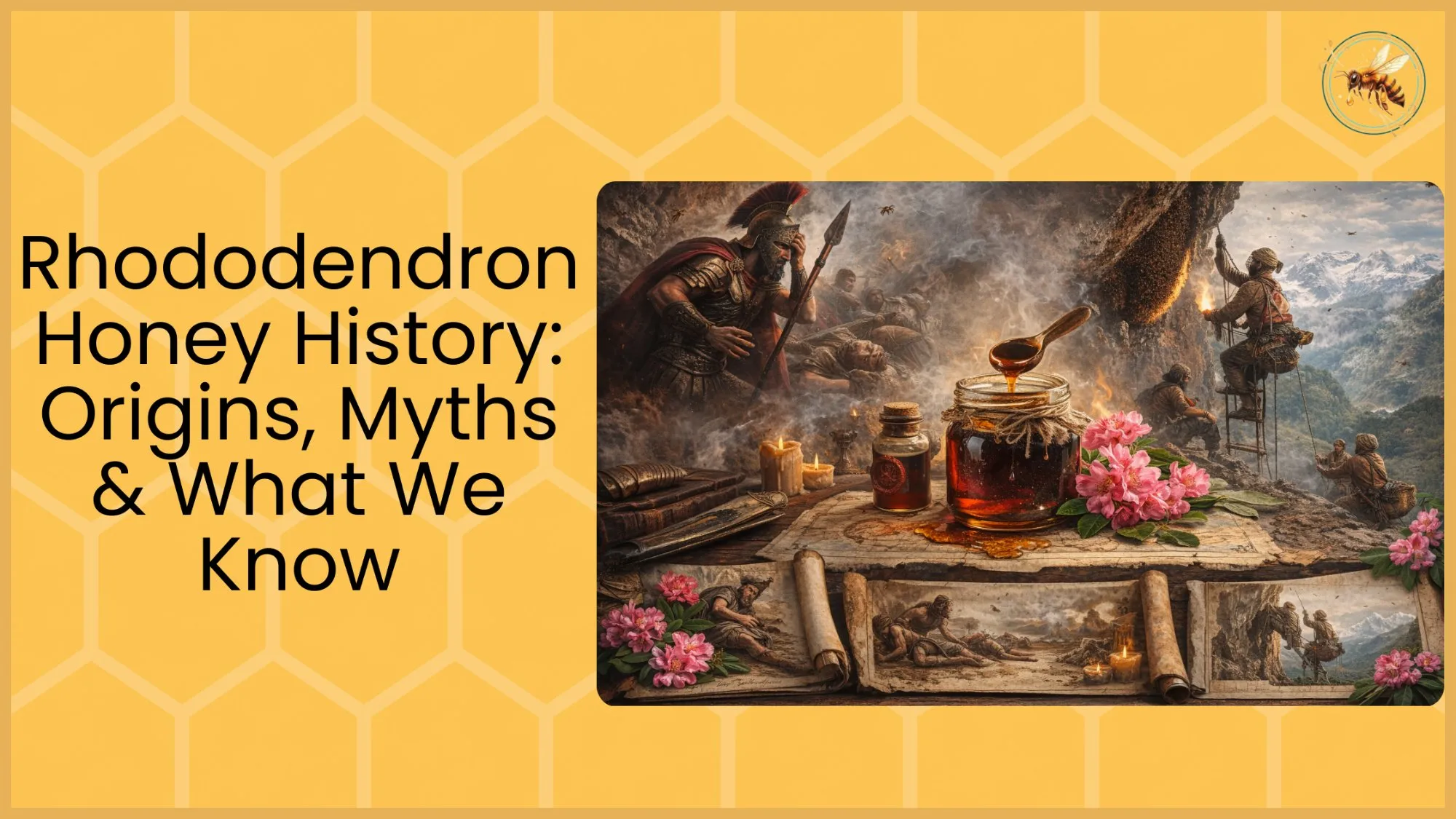
    Rhododendron Honey History: Ancient Accounts,

    Rhododendron honey has one of the strangest “double lives” of any food. In some places