“Himalayan mad honey” is one of the most searched phrases in the Mad Honey niche, and also one of the most misused. Online, it can mean anything from genuinely sourced honey from Nepal’s hill regions to generic “mad honey” listings that borrow the word Himalayan because it sounds exotic, pure, and rare.
So what does “Himalayan” actually mean in practice?
At its best, the term points to a real region + a real tradition: honey collected in or near the Himalayan range, often from wild flowering zones where rhododendron blooms are part of the nectar landscape. That botanical context matters because it’s the reason some “mad honey” batches can feel different from regular honey, especially when used as a small, intentional ritual.
At its worst, “Himalayan” is just packaging: a vibe word used to justify high prices, hide vague sourcing, or sell a product that can’t be traced back to a specific origin.
This guide does three things:
- clarifies what “Himalayan” can realistically mean,
- explains why Himalayan mad honey is different (without hype), and
- gives you a practical way to spot authentic sourcing and avoid red flags.
tl;dr
- “Himalayan” isn’t a guarantee of origin. A legitimate seller can usually state a specific region (not just “Himalayan”) and explain how they source it.
- Real Himalayan mad honey is typically a niche, seasonal product, not a year-round “unlimited supply.” If a listing claims endless availability, identical effects every time, or “strongest on earth,” it often signals marketing over reality.
- Some batches of Mad Honey are linked to nectar from rhododendron species that can contain naturally occurring compounds (grayanotoxins). That’s why dose matters more than with regular honey.
- Effects of Mad Honey vary by person and by batch and responsible sellers say this clearly. A brand that promises a guaranteed “high” is a brand that’s optimizing clicks, not safety and trust.
- If you’re exploring Himalayan mad honey, the safest long-term approach is conservative use and transparent sourcing, not chasing intensity.
What Exactly Is “Himalayan” Mad Honey?
“Himalayan mad honey” is not a scientific category. It’s a market phrase that usually points to two things:
- Geography (the Himalayan region or areas near it), and
- A style of honey sometimes associated with wild harvesting and rhododendron bloom zones.
But because “Himalayan” is also a powerful marketing word, you’ll see it used loosely, sometimes by sellers who cannot prove the honey is from that region at all.
The geography: Nepal vs broader Himalayan region
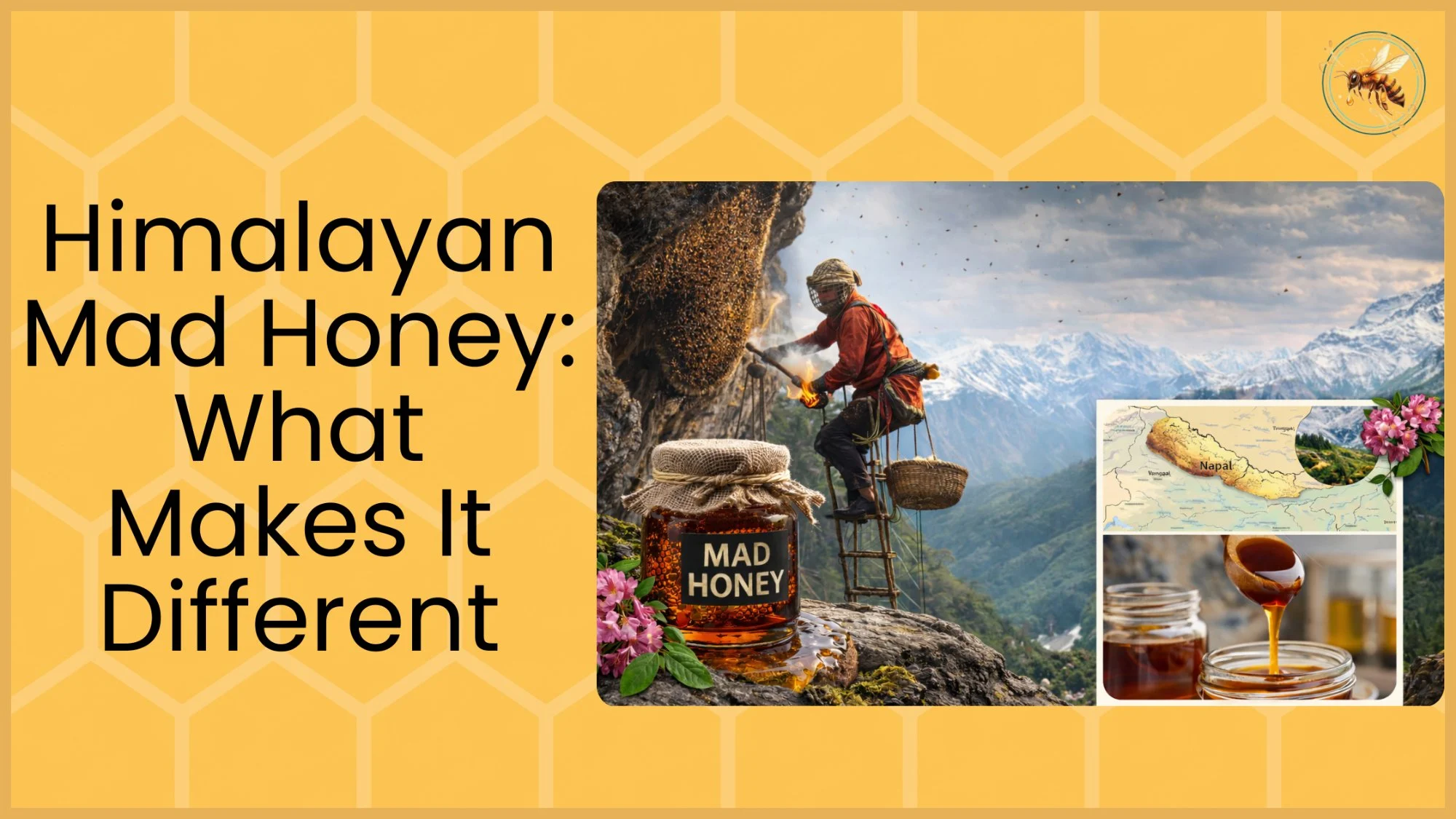
The Himalayas stretch across multiple countries and climates. When people say “Himalayan mad honey,” they often mean Nepal, because Nepal has become the most iconic modern story in the West for cliff/forest harvesting visuals and “wild honey” narratives.
But “Himalayan” could also (in a broader sense) be used for honey from other Himalayan-adjacent areas. That’s why the best consumer question is not “Is it Himalayan?” but:
Where exactly is it from (region), and can the seller explain traceability?
A transparent seller will usually be able to answer with:
- a region or district-level origin (not just “Nepal” or “Himalayas”),
- a sourcing story that is consistent and specific,
- batch or lot identification, and
- realistic statements about seasonality and variability.
A vague seller will stay at the adjective level:
- “wild,” “pure,” “Himalayan,” “ancient,” “rare,” without giving you anything verifiable.
Why the term is used in marketing
“Himalayan” sells because it carries a built-in narrative:
- remote mountains = purity
- Gurung cliff traditional harvesting = authenticity
- rare product = premium price
- “ancient” = stronger than modern
None of those assumptions are automatically true. Mountains can be pure, or polluted. Tradition can be real, or staged. Rare can be legitimate, or just scarcity marketing.
So treat “Himalayan” as a starting point, not proof. The proof is always the same: origin transparency + responsible education + traceability signals.
How Himalayan Mad Honey Is Made (Why It’s Different From Regular Honey)
Regular honey is usually purchased as food: for flavor, sweetness, and daily use. Himalayan mad honey is often purchased for an additional reason: the expectation of a noticeable, dose-sensitive experience.
That difference isn’t because the honey is “more honey.” It’s because of botanical source, what the bees collected.
Rhododendron nectar and grayanotoxins
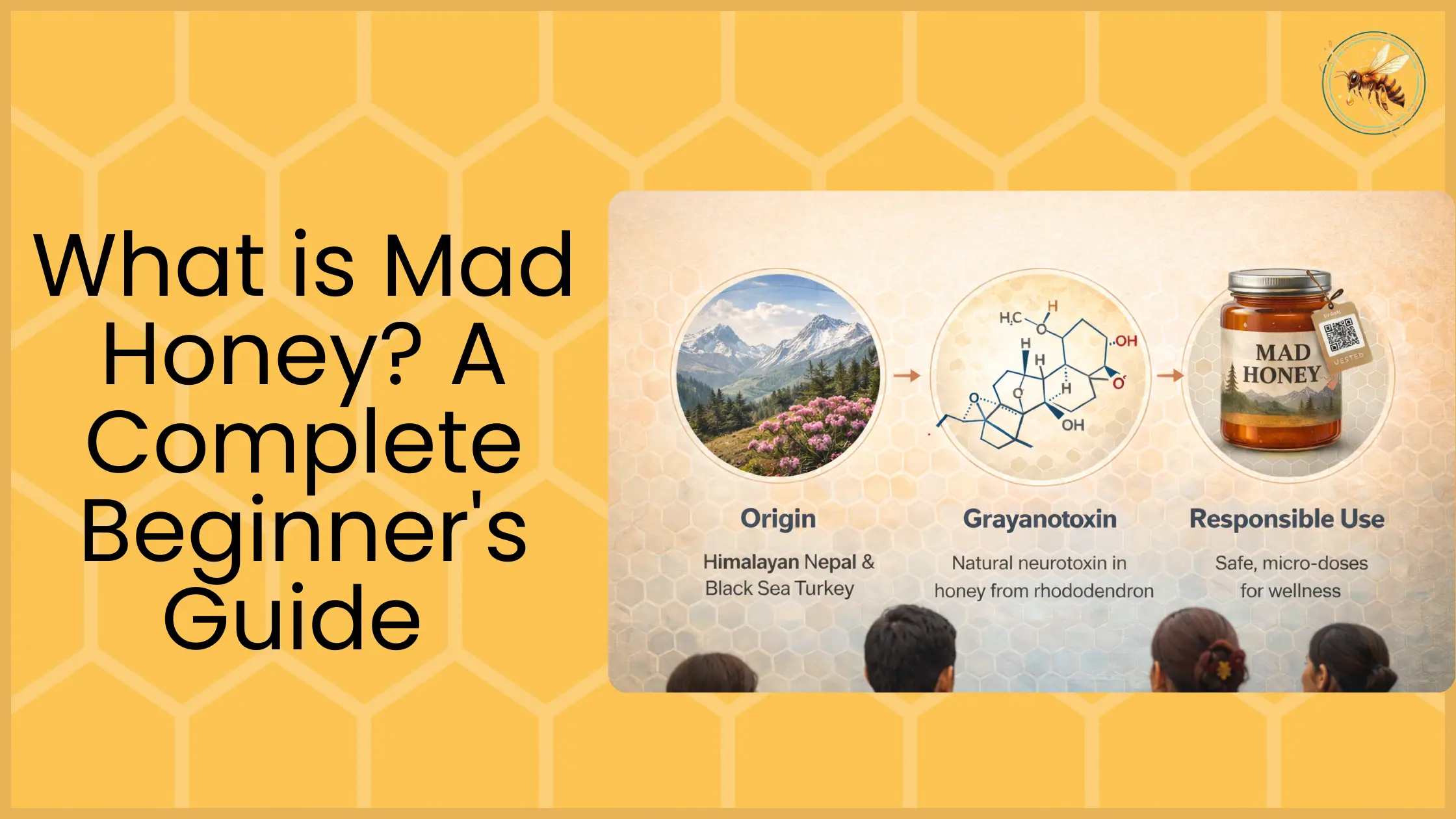
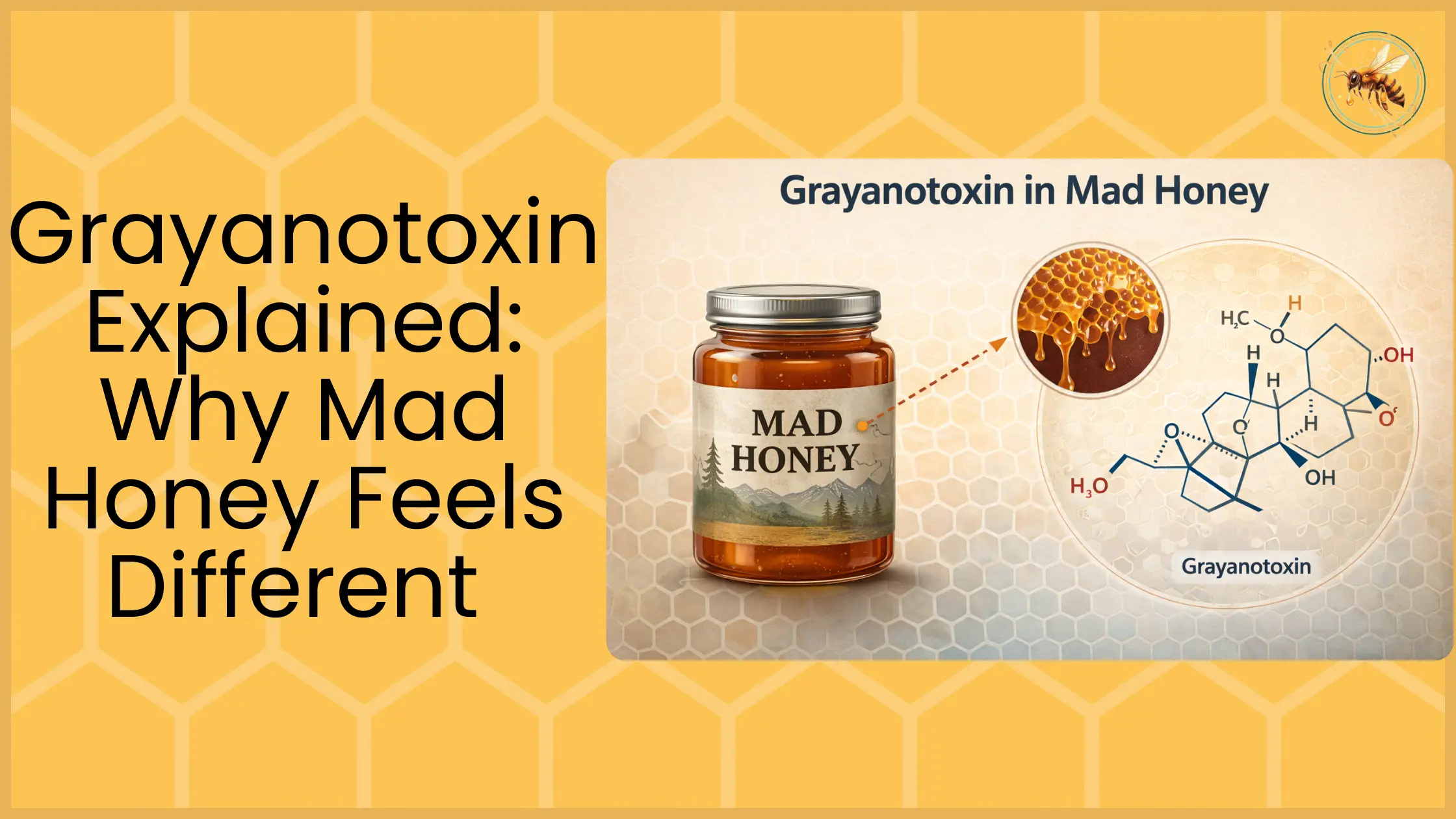
Some mad honey batches are associated with nectar from certain rhododendron species. Some rhododendrons can contain naturally occurring compounds known as grayanotoxins. When these compounds are present in the honey at meaningful levels, they can influence how the honey feels, especially as dose increases.
That’s the key distinction to understand:
- Regular honey: more = sweeter
- Mad honey: more can change the experience from “subtle” to “uncomfortable” for some people
This is also why responsible content avoids extreme promises. Mad honey is not a predictable “effect product” like a standardized supplement. It’s an agricultural product with natural variability.
What to Expect From Himalayan Mad Honey (Without Overpromising)
If you only read sensational headlines, you’ll think Himalayan mad honey is either a “legal psychedelic” or a guaranteed bliss product. Both are misleading. What most people actually report, especially when used conservatively, fits a much more grounded story: a ritual-like wind-down that can become unpleasant if you overshoot.
Low-dose ritual experience vs too much
At low amounts, many people describe effects (when they notice them) as body-forward: calmer, heavier, more relaxed, more “settled.” It’s often framed as a ritual: slow pace, quiet setting, and no rush to “stack” more.
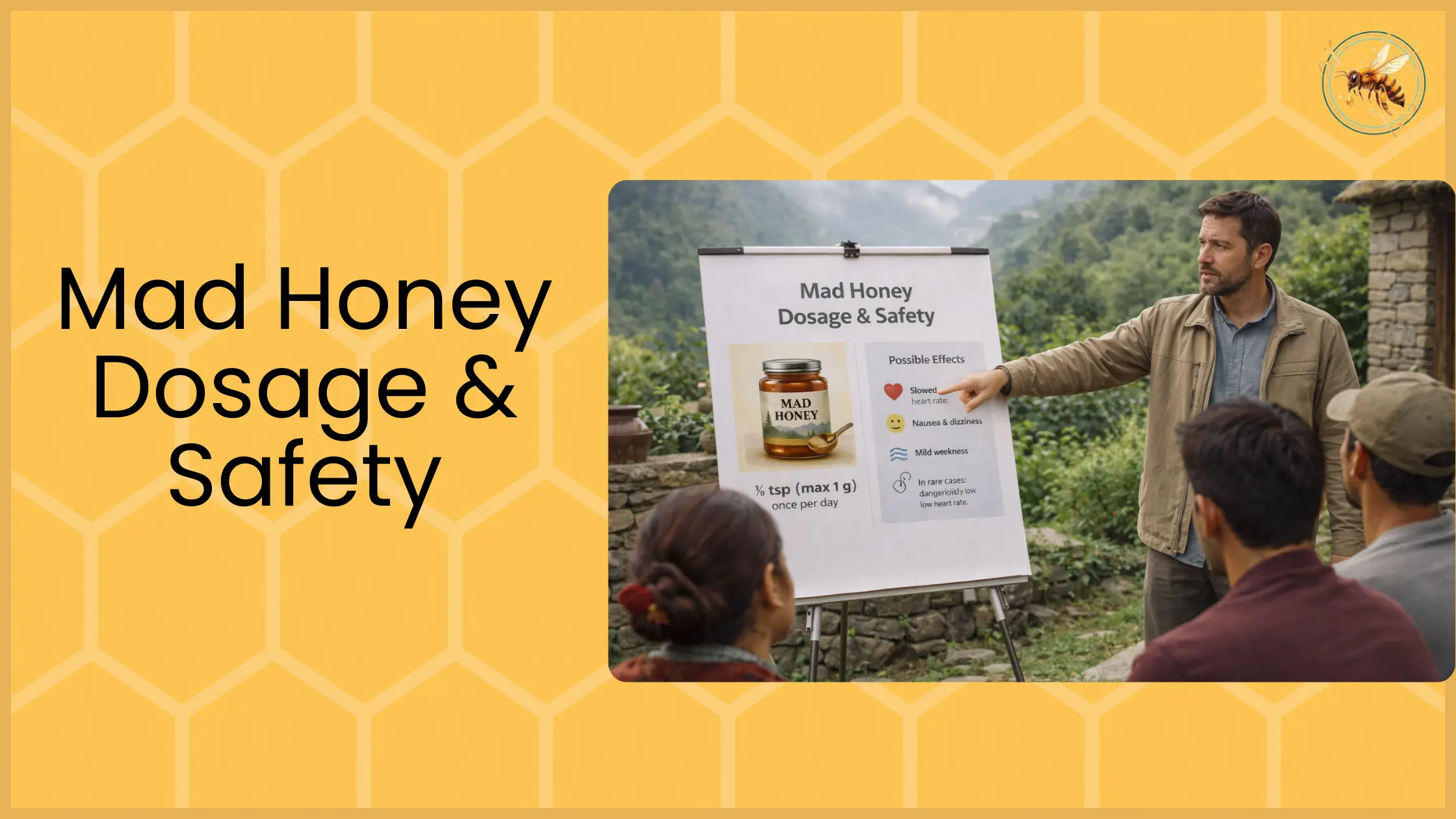
At too much, the storyline changes. People commonly describe discomfort rather than “fun,” nausea, dizziness, sweating, weakness, and that unmistakable feeling of “I want this to stop.” This is exactly why “more isn’t better” is a real safety principle in mad honey.
Why effects vary by person (and why that’s normal)
This is the part sellers should say clearly, and many don’t. Mad honey benefits and risks can vary because of:
- personal sensitivity (two people can respond differently),
- food intake (empty stomach vs after a meal),
- hydration and fatigue,
- batch differences (stronger or milder), and
- expectation and setting (your attention can amplify subtle sensations).
A responsible seller doesn’t promise a guaranteed experience. They explain variability and encourage conservative use.
Why Himalayan Mad Honey Varies by Batch
Batch variability is not a flaw, it’s part of the product category. It becomes a problem only when sellers pretend variability doesn’t exist, or when they turn it into “mystery potency” marketing.
Seasonality + bloom cycles
Honey is tied to flowers. Flowers are tied to seasons. In Himalayan regions, bloom cycles are shaped by altitude, weather patterns, and the timing of the flowering landscape.
That means “Himalayan mad honey” is often:
- more seasonal than people expect,
- influenced by the intensity and timing of blooms, and
- naturally variable in sensory profile and “noticeability.”
If a listing claims every batch feels identical year-round, it’s often a sign that the product is either not what it claims, or it’s being marketed like a standardized substance when it isn’t.
Handling and blending factors
Even authentic honey can vary because of post-harvest decisions:
- How it’s filtered
- Whether it’s blended across lots to “normalize” flavor or potency
- How it’s stored (heat and moisture matter)
- How long it sits before packaging
This is why a serious brand often talks about batches and consistency philosophy. Some brands aim to blend for a consistent consumer experience. Others keep lots separate and educate customers that batches will differ.
How to Spot Real Himalayan Mad Honey
Most buyers don’t need a lab degree. They need a trust framework: a set of signals that makes it hard for low-quality sellers to hide behind adjectives.
The goal isn’t perfection, it’s reducing the odds of misrepresentation.
Authenticity checklist
A credible seller usually gives you verifiable structure, not just vibes. Look for:
- Clear origin story with specificity: Not just “Himalayas,” but where in the region. A district, a sourcing partner, a realistic harvesting context, and consistent details.
- Batch identification: A lot number, batch ID, harvest window, or anything that indicates traceability. The absence of any batch thinking is a common sign of “reseller marketing.”
- Conservative safety guidance: This is a bigger authenticity signal than people realize. Responsible sellers teach: start low, don’t re-dose fast, be mindful of mixing and individual risk. Sellers chasing clicks often avoid safety because it weakens the hype.
- Education content that matches reality: Does the brand explain variability? Do they avoid guaranteed claims? Do they explain what it is and what it isn’t?
Common scams and red flags
Most scams in this niche follow the same patterns. Red flags include:
- Hype-first language with drug positioning: “Psychedelic,” “hallucinogenic,” “legal high,” “microdose honey,” or guaranteed “trip” promises. This is both a trust-killer and a safety risk because it encourages careless dosing behavior.
- Mystery sourcing: No region, no explanation, no traceability, just “Himalayan wild” and stock photos.
- Suspiciously cheap or unlimited supply: Authentic, responsibly sourced product rarely has “endless inventory” vibes. Constant discounts plus “rare harvest” claims don’t match.
- No safety guidance at all: This one matters. If a brand refuses to mention conservative use, they’re not optimizing for consumer safety, and that often correlates with poor sourcing discipline
Conclusion
“Himalayan mad honey” can mean something real, or it can mean nothing more than a marketing label.
The safest way to approach it is simple:
- Verify origin (specific region + traceability signals),
- Expect variability (batch differences are normal), and
- Start low (don’t chase intensity, don’t re-dose fast).
If you’re buying, prioritize sellers who teach responsibility and can explain their sourcing clearly. If you’re exploring for the first time, treat it as a ritual product, not an everyday drizzle.
FAQs on Himalayan Mad Honey
Is it stronger than other mad honey?
Not automatically. “Himalayan” doesn’t guarantee potency. Strength depends on batch factors (season, region, handling) and personal sensitivity. Some Himalayan batches are mild; some are more noticeable. Any seller claiming “always the strongest” is usually selling marketing, not reality.
Is “red” always better?
No. Color can be influenced by floral source, minerals, and handling. “Red mad honey” gets marketed like a quality tier, but color alone is not a reliable authenticity or potency marker. For more, see our explainer on red mad honey.
How should it taste?
Taste varies, but authentic mad honey often has a more complex, herbal, sometimes slightly bitter or medicinal edge compared with standard sweet honeys, especially in stronger batches. That said, taste alone can’t prove authenticity because flavor varies naturally and sellers can blend or process honey differently.
How long does it last?
Shelf-life is mostly about storage (sealed, away from moisture, away from heat). The experience (if noticed) is usually discussed in terms of onset and duration, which varies by dose and person. See how long mad honey lasts for the full timeline.
Is Mad Honey legal?
In many places it’s treated as a food product, but legality and import experience can vary by country and by how sellers market it. See our mad honey legality guide for a country-by-country overview.