Quick Answer – What Is Turkish Mad Honey?
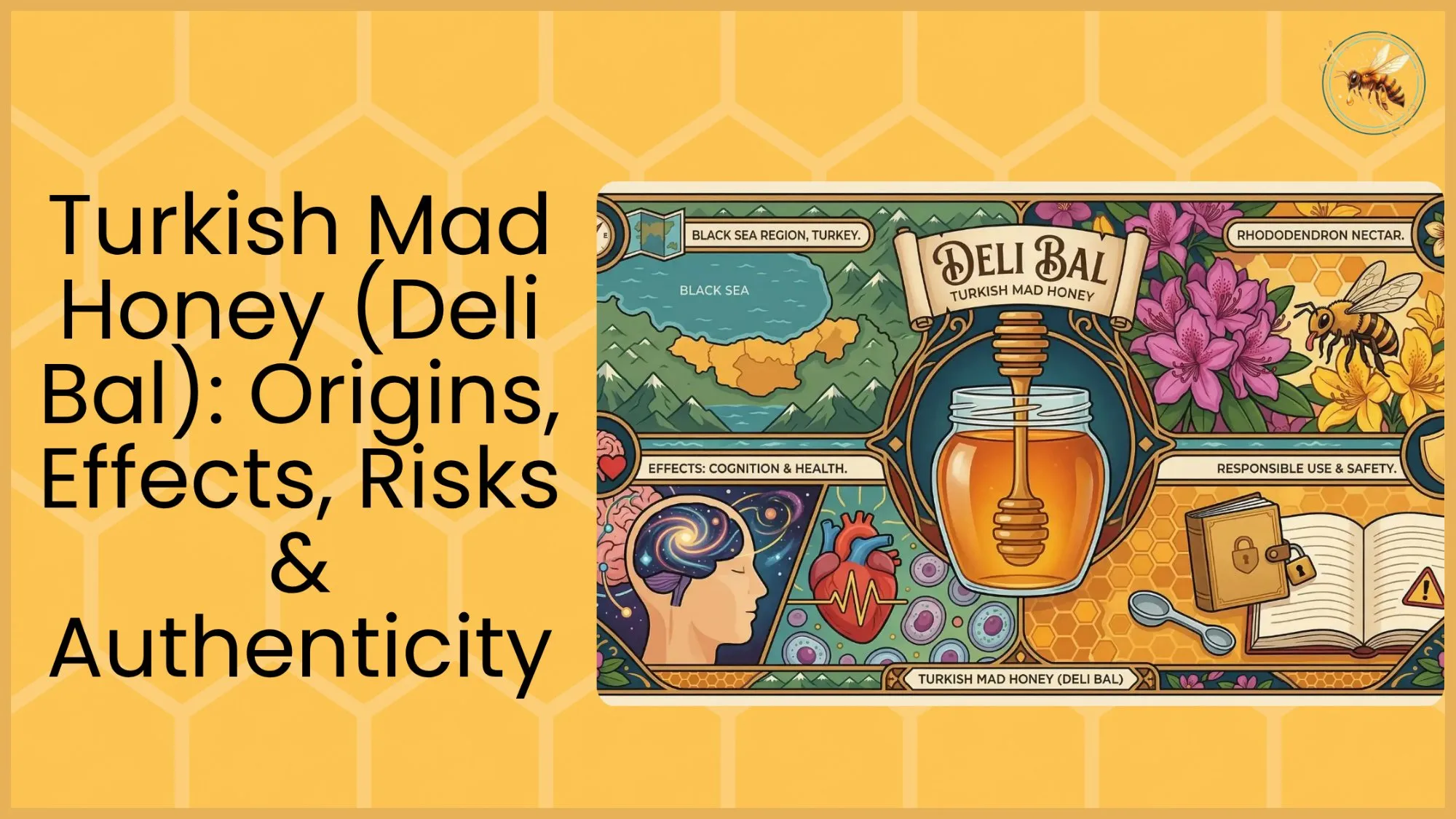
Turkish mad honey is honey produced in parts of Turkey (especially around the Black Sea) where bees forage on rhododendron species whose nectar/pollen can contain grayanotoxins, a group of naturally occurring diterpenoid compounds.
“Deli bal” explained
“Deli bal” is the commonly used name in Turkey for this rhododendron-linked honey. It’s “mad honey” in the sense that it can cause unusual, dose-dependent body effects, not because it’s infused or artificially “drugged.”
Why people call it “hallucinogenic honey” (and why that label is messy)
The term “hallucinogenic” spreads because it’s dramatic and viral, and because historical retellings often blur intoxication, confusion, and disorientation into “tripping.” But clinically and mechanistically, the pattern most often discussed is autonomic/cardiovascular + GI symptoms at higher exposure, not consistent psychedelic-style hallucinations.
The simplest accurate definition
Turkish mad honey is a food product that may contain grayanotoxins and can cause dose-dependent physiological effects,ranging from subtle to uncomfortable or risky if you take too much.
Where Turkish Mad Honey Comes From
To understand Turkish “deli bal,” you need the geography and the plants. That context explains why Turkey appears again and again in both historical accounts and modern case reports.
The Black Sea region context
The Black Sea region is repeatedly associated with “mad honey” episodes because rhododendron-rich ecosystems exist there, and local honey traditions include harvesting honey produced during rhododendron bloom periods.
The main rhododendron sources (high-level)
The rhododendron species most often referenced in the toxicology literature as major contributors include Rhododendron ponticum and Rhododendron luteum.
These plants are part of the Ericaceae family, a group known to produce grayanotoxins in multiple genera, not just rhododendron.
Why local ecology matters more than “country of origin” alone
“Made in Turkey” doesn’t automatically mean it’s rhododendron-linked, and “Himalayan” doesn’t automatically mean it’s potent. The determining factors are the local nectar environment (what’s blooming), the foraging range, and the seasonal conditions, which is why two honeys from the same country can be totally different.
How It Works
Before we talk about what it feels like, it helps to understand the simple mechanism, because it explains the “why” behind both the mild experiences and the unpleasant ones.
Grayanotoxins are the “active” compounds
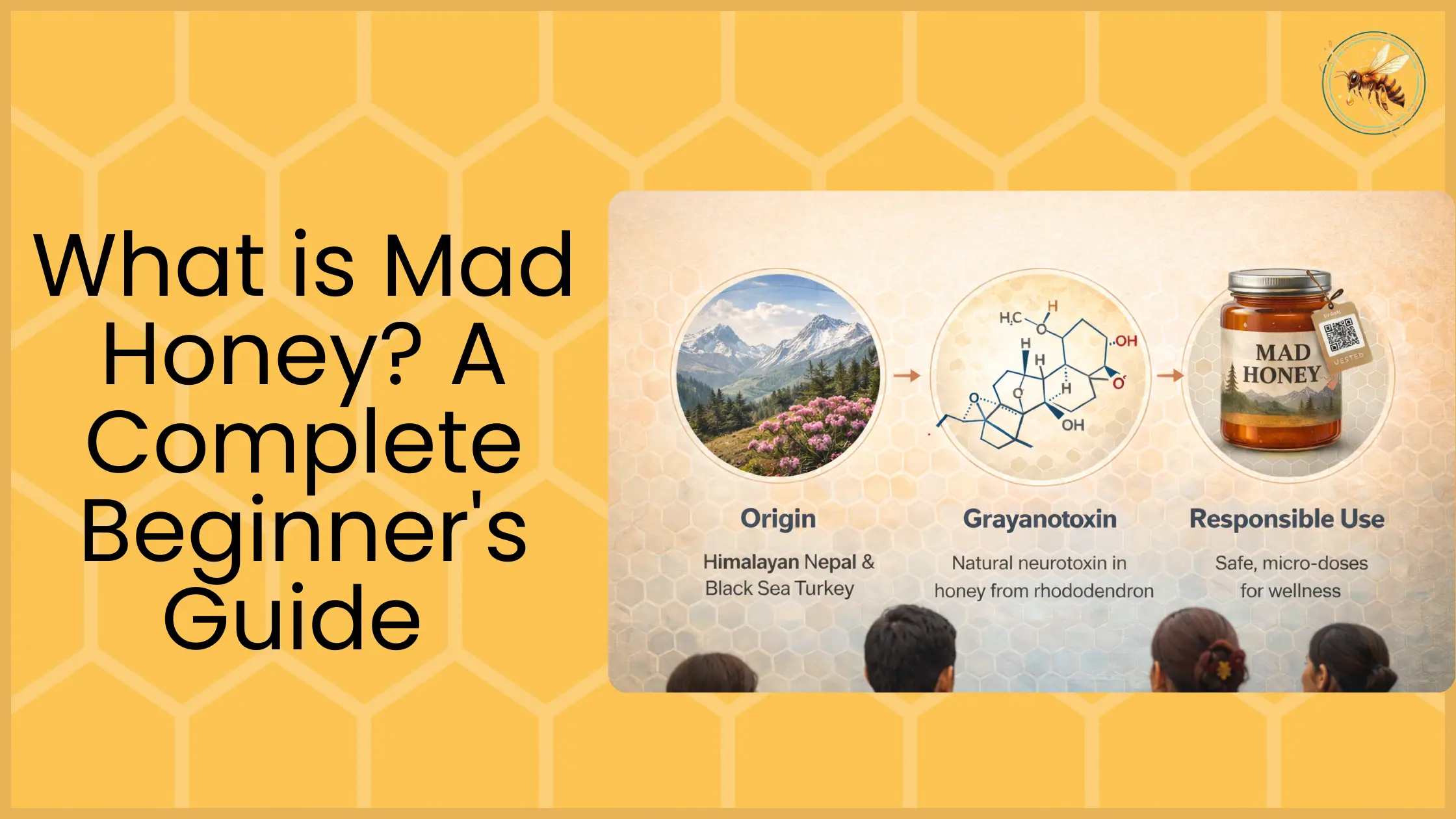
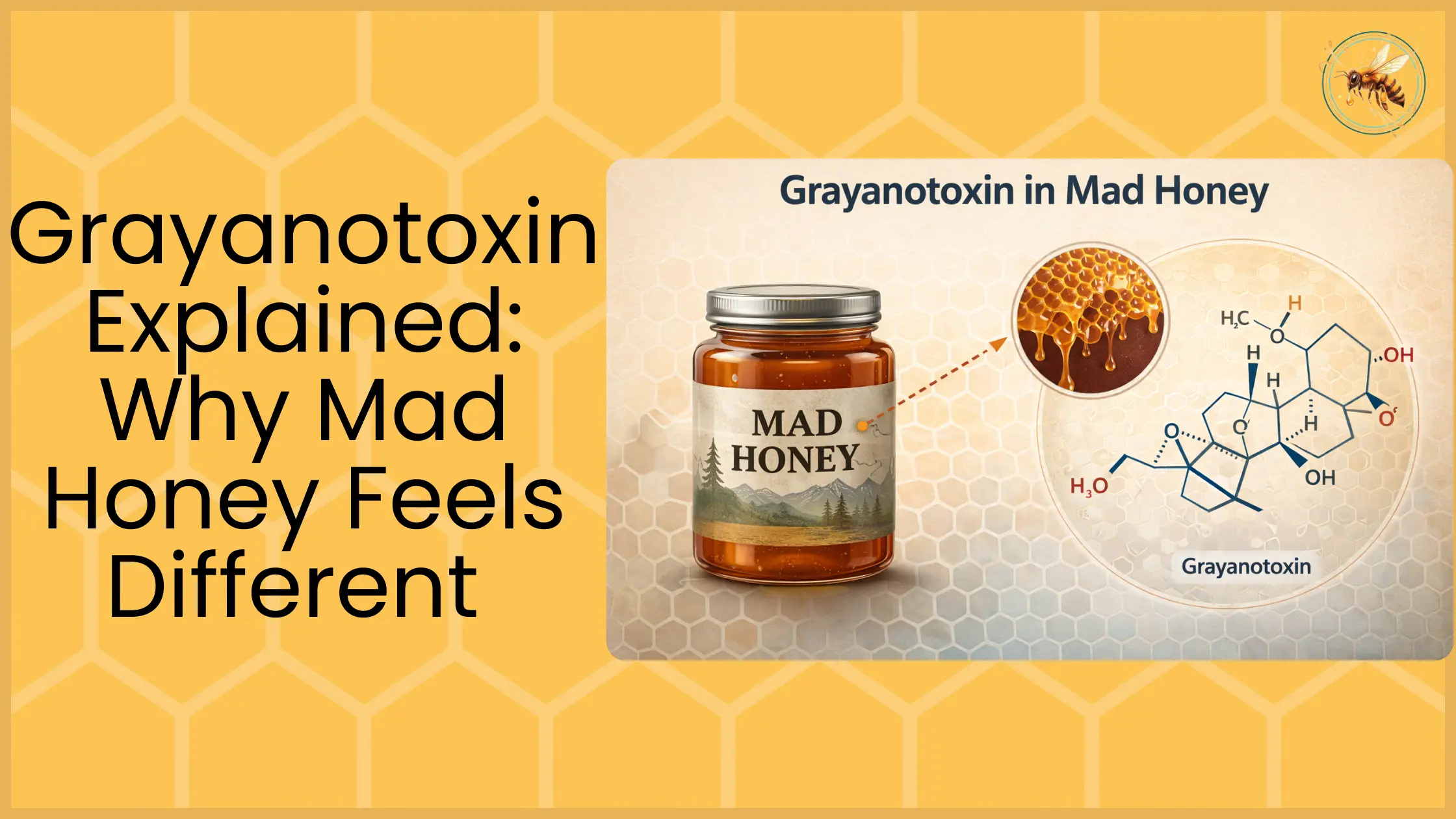
Mad honey’s noticeable effects are linked to grayanotoxins (GRAYs/GTXs), naturally occurring diterpenoids that can appear in honey when bees collect nectar from certain Ericaceae plants.
The mechanism in plain language
The key mechanism described in the toxicology literature (Jansen et al., Cardiovascular Toxicology, 2012) is that grayanotoxins interact with voltage-gated sodium channels, contributing to prolonged depolarization and downstream autonomic effects. That’s why the “signature” risks people talk about include low blood pressure (hypotension) and slow heart rate (bradycardia).
Why dose response is steep
The same review literature emphasizes that toxicity and symptom intensity depend on grayanotoxin concentration, which varies by plant species and environment, plus how much is consumed. That’s the recipe for steep dose response: small changes in intake can feel like a big jump, especially if a batch is stronger than expected.
What It Feels Like
This section is about expectation-setting, not hype. The internet often frames Turkish mad honey as a shortcut to a “psychedelic trip,” but that framing leaves people unprepared for the reality: the experience isn’t always “fun,” and the uncomfortable side can arrive fast if you overshoot.
Low amounts: what people commonly report
At lower amounts, people who choose to try it often describe a wind-down / body relaxation feeling, sometimes paired with warmth, heaviness, or a subtle mood shift. Because the product is batch-variable and person-variable, those descriptions are not guaranteed, and that variability itself is a key feature of the category.
Too much: when it becomes unpleasant
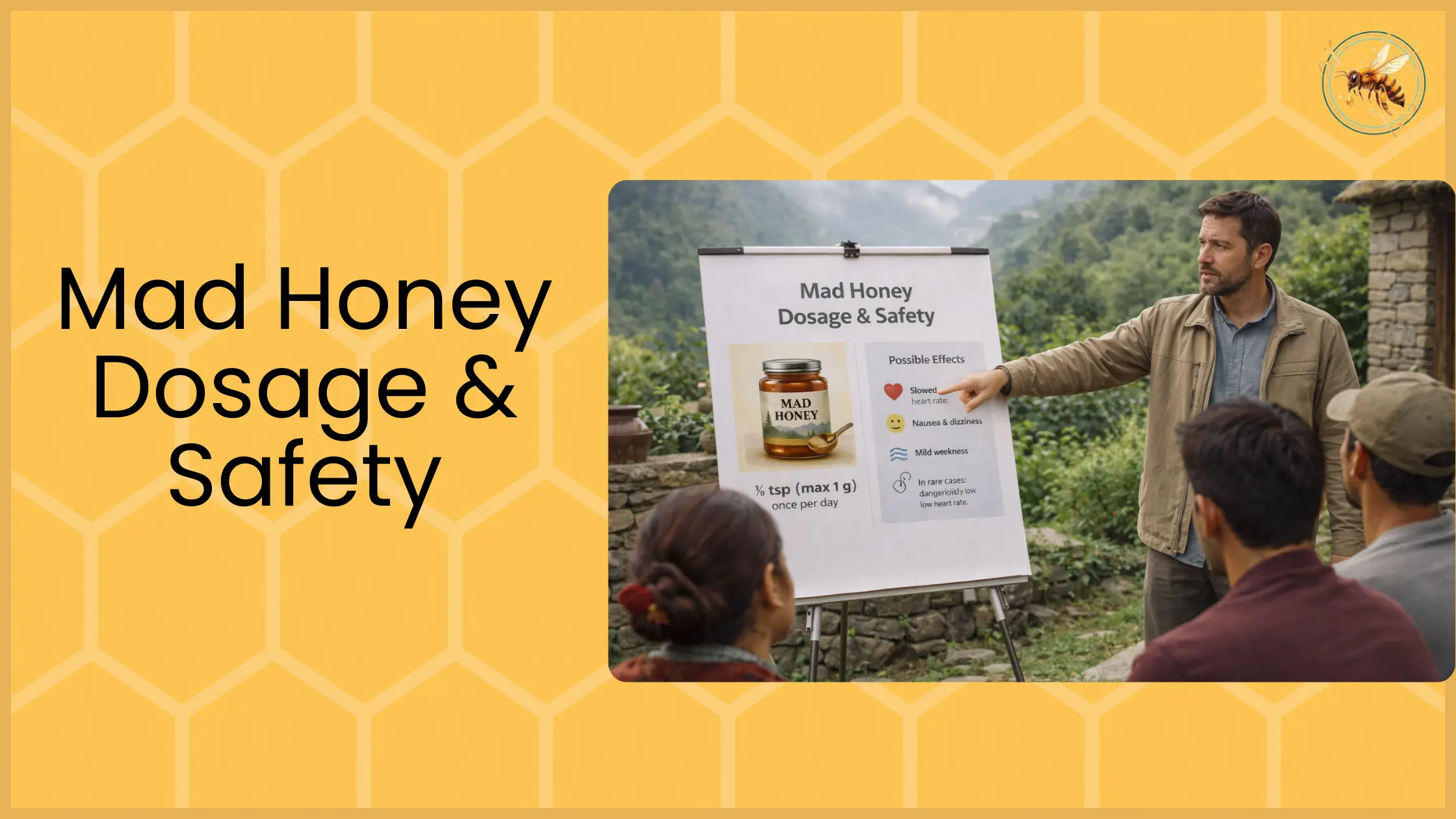
The “not fun anymore” zone tends to align with symptoms like nausea, dizziness, sweating, weakness, and the hallmark cardiovascular effects that show up in case discussions: hypotension and bradycardia.
Why “high” is a misleading word for most experiences
People sometimes call it “getting high” because the body sensations can feel intense or disorienting, especially if you stand up and feel lightheaded. But intensity is not the same as a predictable recreational “buzz,” and confusion/disorientation in intoxication isn’t the same thing as classic psychedelic hallucinations.
Safety First
Now that the basics are clear, here’s what the clinical literature flags as the real safety picture. This isn’t medical advice; it’s a practical, conservative interpretation of the patterns described in published case reviews (Silici and Atayoglu, Food and Chemical Toxicology, 2015; Jansen et al., 2012).
Common side effects and hallmark risks
The commonly described cluster includes GI symptoms (like nausea/vomiting), dizziness, and autonomic/cardiovascular effects,especially low blood pressure and slow heart rate in more significant exposures.
Red flags: when to seek medical help
If someone experiences severe fainting, persistent vomiting, chest pain, breathing difficulty, or feels dangerously weak/confused, that’s beyond “normal experimenting”; it’s time to treat it as urgent and seek medical help. The point is not fear; it’s avoiding the mistake of waiting too long because the internet told you it’s “just a honey trip.”
Who should avoid it (conservative guidance)
A conservative safety stance is to avoid mad honey if you have:
- a history of blood pressure or heart rhythm issues,
- you’re on medications that affect blood pressure/heart rate,
- you’re pregnant/breastfeeding (cautious, risk-avoidance framing),
- or you’re planning to mix it with alcohol or other sedatives.
Turkish Mad Honey vs Himalayan/Nepal Mad Honey
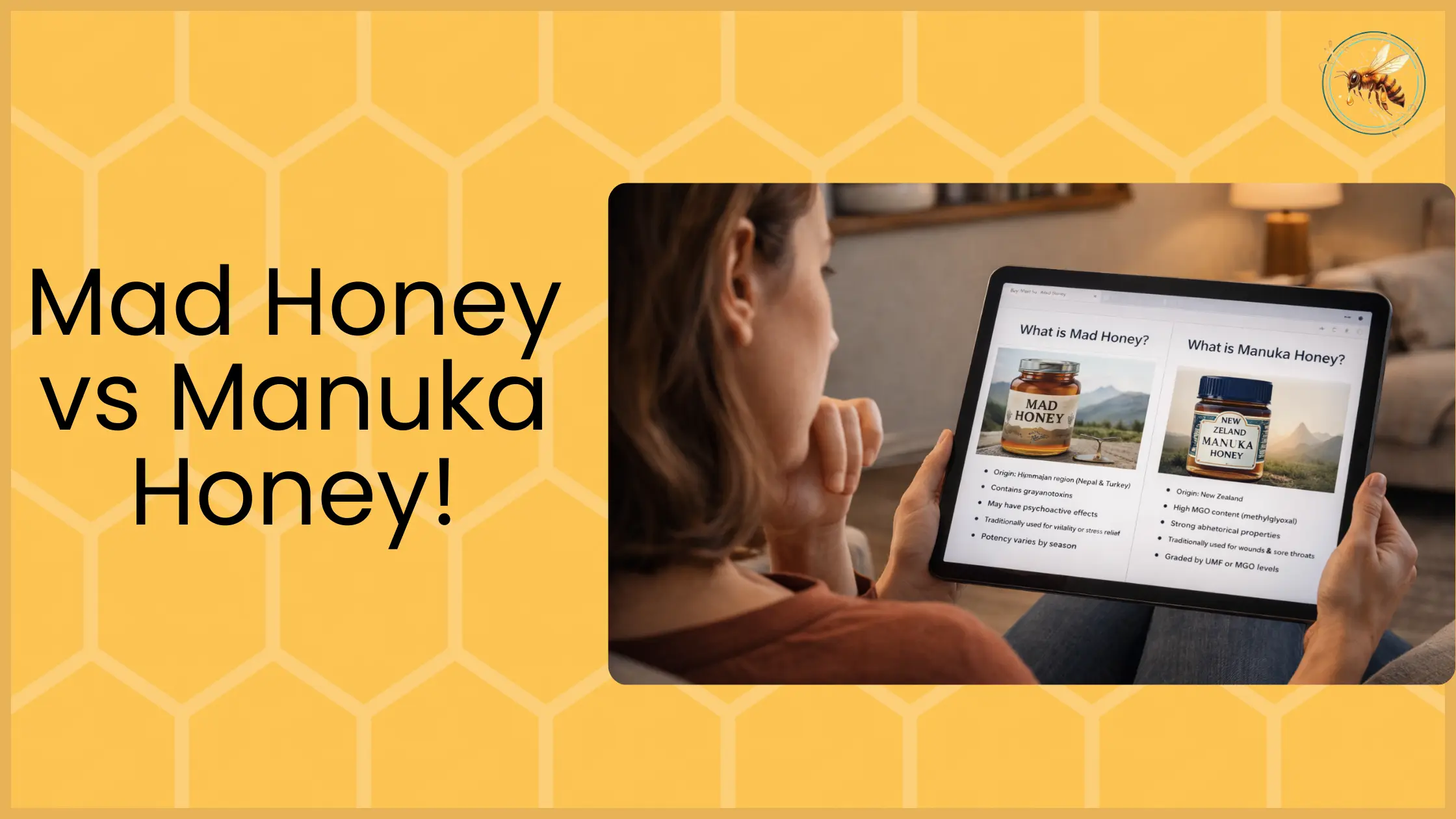
People lump everything into one bucket online. In practice, “mad honey” is a category label that spans regions, narratives, and supply chains.
Similarity: rhododendron + grayanotoxins
Both Turkish “deli bal” and many Nepal/Himalayan mad honey stories connect back to rhododendron-linked nectar and grayanotoxin presence as the explanation for noticeable effects.
Differences: harvesting context and product narrative
Where the story differs is how the honey is produced and marketed.
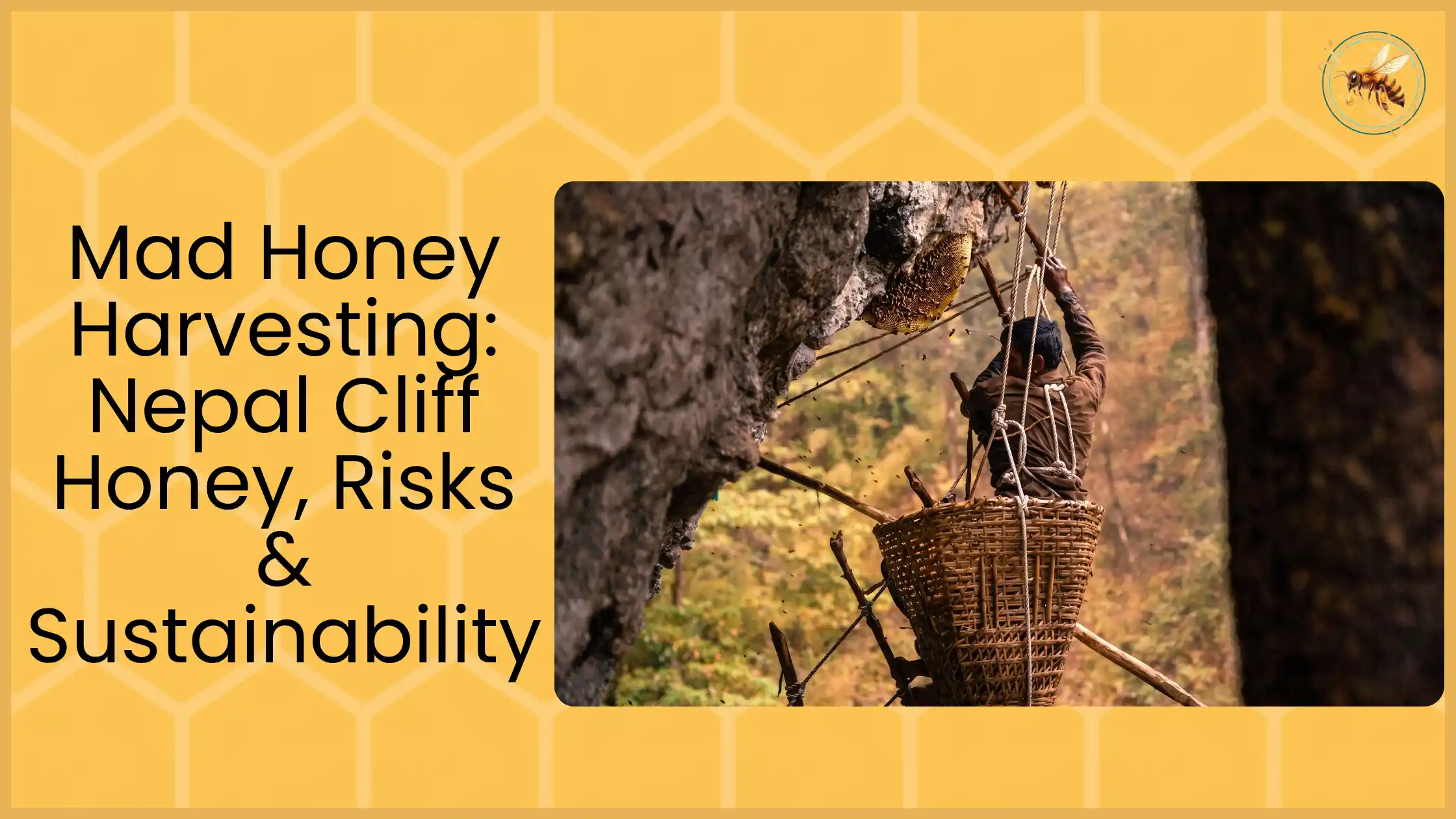
- In Nepal, a lot of global attention centers on cliff-harvesting traditions and the “Himalayan” visual narrative (often involving the Himalayan giant honey bee and cliff combs).
- In Turkey, the narrative most people encounter is “deli bal” as a regional product from the Black Sea ecosystem, often linked to folklore and local use patterns.
Why neither is “always stronger”
“Stronger” is the wrong goal because potency varies with plant species, environment, and batch characteristics, and because higher exposure is exactly what increases risk. The more responsible framing is: know what you’re buying, know your batch, and keep dosing conservatively.
Seasonality & Batch Variability
Even within Turkey, “deli bal” isn’t one fixed product. It changes, and the literature describes variability shaped by plant species and environmental conditions.
Spring vs later harvest (what changes and why)
During peak bloom periods, honey may contain different profiles than later-season honey. The review literature also notes that environmental conditions (including weather patterns) influence nectar/honey properties and toxin levels.
Environmental factors
Altitude, climate, soil composition, and regional biodiversity can all influence the chemical composition,so the “same name” product can vary year to year.
Why chasing “strongest” is a bad strategy
Because the dose-response can be steep, “strongest” marketing is basically asking you to gamble with a narrower margin between “noticeable” and “unpleasant.” A safety-first buyer should treat “strongest deli bal” as a warning sign, not a selling point.
Taste & Appearance
Turkish mad honey is often described as darker, more intense, and sometimes bitter. But taste and color are unreliable as authenticity tests.
Typical taste/color notes people mention
Some descriptions include dark reddish tones and a slightly bitter profile, sometimes paired with a sharp or “burning” throat sensation that people interpret as potency.
Why color/taste can’t prove authenticity
Plenty of honeys are dark. Plenty of honeys are bitter. Processing and storage can also change texture and flavor. That’s why good buyer education emphasizes traceability and transparency over “it looks red so it must be real.”
Authenticity & Buying
If you only remember one section, make it this one. “Deli bal” is widely used as a label online, which creates a huge incentive for sellers to exploit the term.
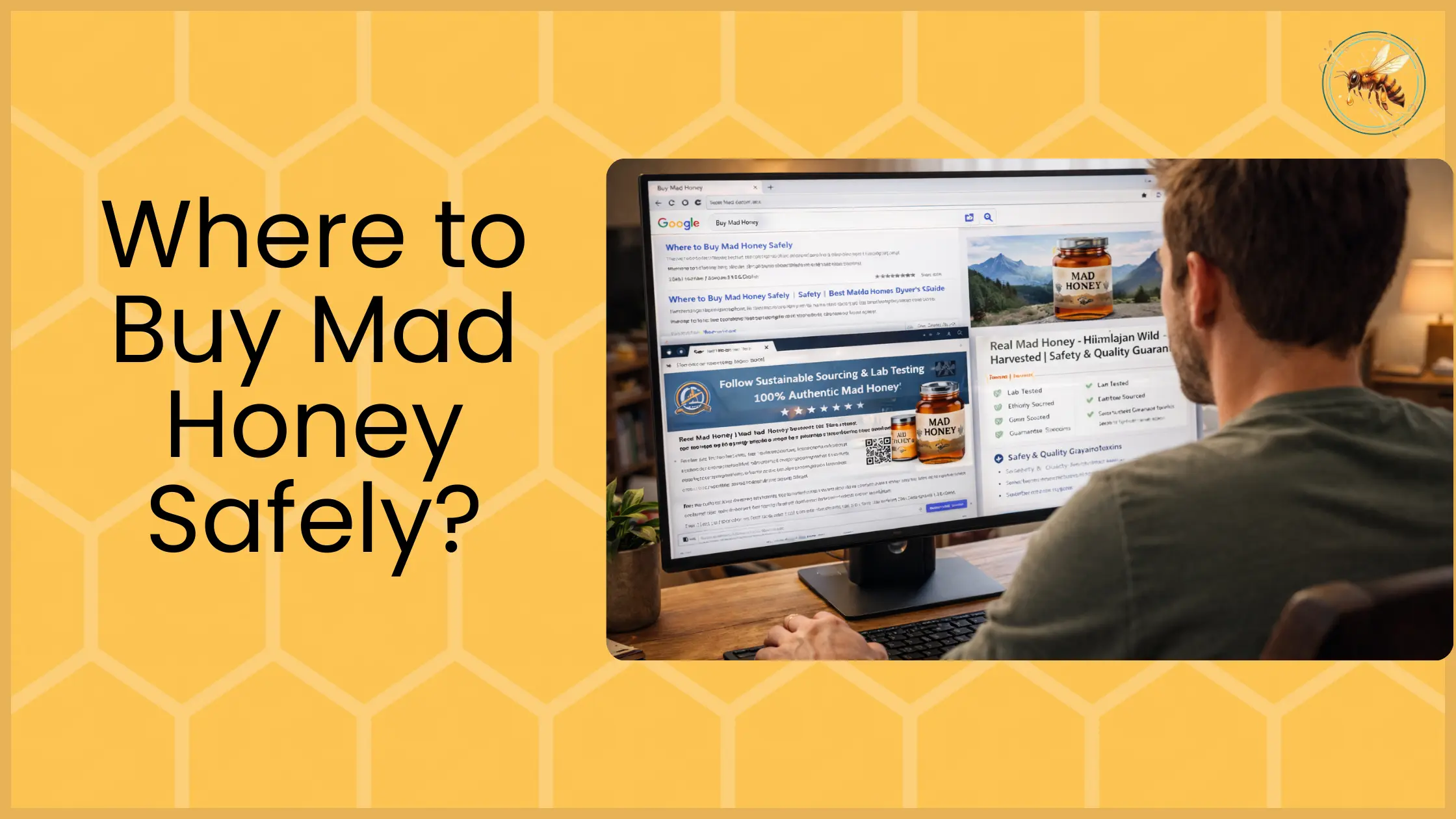
What a responsible seller should provide
A legitimate, responsible source usually does three things well:
- Clear origin story (region-level specificity, not vague “Black Sea / Himalayan” buzzwords).
- Batch clarity (batch ID, harvest window, and an honest admission that effects can vary).
- Safety guidance (conservative dosing, “start low + wait,” and who should avoid it).
This kind of education is a credibility signal because it reduces reckless use rather than encouraging it.
Red flags
Be skeptical when you see:
- “Guaranteed trip” / “psychedelic honey” marketing
- Vague origin (“Himalayan deli bal” with no region/harvest info)
- No guidance, no batch details, and pressure tactics
- “Lab tested” with no explanation of what that means (method, batch match, results context)
Testing and transparency
If a seller claims testing, “good” is specific: batch-linked results, clear methods, and a willingness to explain what was measured and why. For broader honey authenticity testing, labs often offer multiple tools (pollen analysis for origin context, authenticity screens, etc.).
Conclusion
Turkish mad honey (deli bal) isn’t a “TikTok psychedelic”,it’s a regionally rooted Black Sea honey tied to a specific ecological reality: rhododendron-linked nectar that can introduce grayanotoxins and create dose-dependent effects.
The most responsible way to approach it is simple: realistic expectations, conservative dosing, and transparency-first buying.
FAQs – Turkish Mad Honey
Is Turkish mad honey the same as deli bal?
In most contexts, yes,“deli bal” is the common term people use for Turkey’s rhododendron-linked mad honey.
Does it cause hallucinations?
People use that word loosely online, but the better, safer framing is that higher exposure can cause intoxication symptoms and disorientation, distinct from classic psychedelic hallucinations.
How long does it last?
Symptom courses in the literature often resolve within 1–2 days in the context of intoxication patterns described in reviews, though timelines vary by dose, individual, and batch.
Is it legal where I live?
Legality usually comes down to how it’s sold and marketed (food vs drug claims), import rules, and labeling, not “it’s a narcotic.” Use a country-specific legality guide for your location.
Why is it “stronger” sometimes?
Because batch variability is real: plant species mix, season, and environmental conditions can shift grayanotoxin profiles, and the dose response is steep.
How do I know it’s authentic?
Don’t rely on color or bitterness alone. Look for traceable origin, batch transparency, and responsible safety guidance, then cross-check with a real-vs-fake checklist.
Evidence & Sources
A note on how to read the claims above. The mechanism (grayanotoxins binding voltage-gated sodium channels, and the resulting vagal effect on heart rate and blood pressure) is well established in the toxicology literature. The symptom picture comes from published human case reports and case series, not controlled trials. Regional production, taste, and harvest practice are documented tradition and field reporting. And there is no established safe human dose for mad honey from any region, because no controlled human dose-response study exists. Where this page describes traditional use, that is a real cultural fact rather than clinical evidence of benefit.
Primary sources behind this page:
- Jansen, S.A. et al., “Grayanotoxin poisoning: ‘mad honey disease’ and beyond,” Cardiovascular Toxicology 12 (2012), PMC3404272 — mechanism of action and clinical presentation.
- Silici, S. & Atayoglu, A.T., “Mad honey intoxication: A systematic review on the 1199 cases,” Food and Chemical Toxicology 86 (2015), PMID 26547022 — symptom frequency and case outcomes.
- EFSA Panel on Contaminants in the Food Chain (CONTAM), EFSA Journal 2023;21(3):e07866 — the acute reference dose of 15.3 µg/kg body weight for combined grayanotoxin I and III, the closest thing to an official risk reference point.
- Gunduz, A. et al. (2023), regional distribution of reported mad honey poisoning cases — the basis for the Turkey vs. Nepal case-reporting comparison.
Last reviewed July 2026. If you think a claim on this page is wrong or out of date, tell us via our contact page and we will review it.