
Chintan Kafle

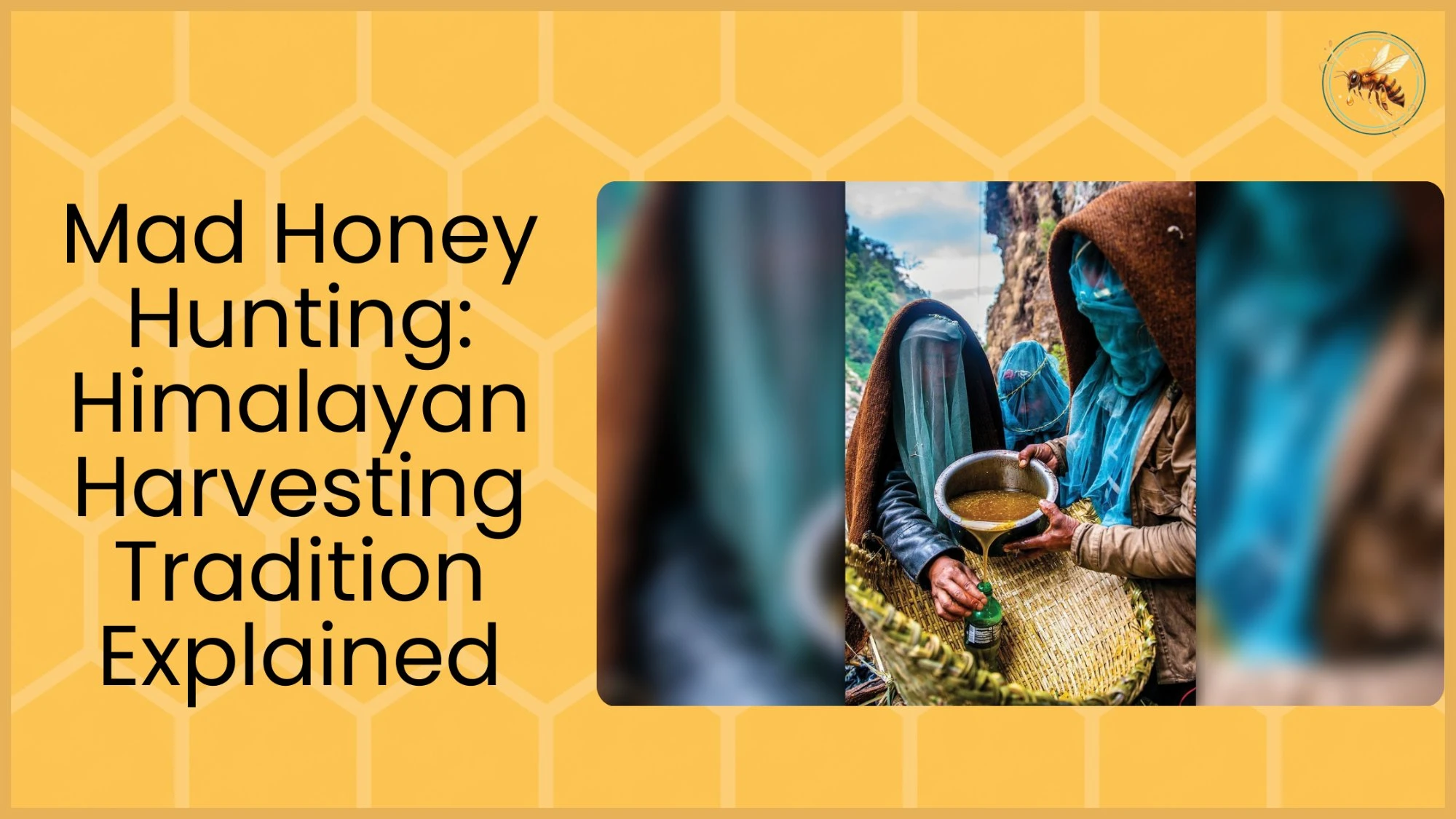
Honey hunter suspended on rope beside Himalayan cliff face reaching for wild honeycomb with wicker basket below, representing Nepal cliff honey harvesting risks and sustainability

Mad Honey Harvesting: How It Is Collected, Why It Is Dangerous, and What Makes It Sustainable

Mad honey harvesting is one of the most misunderstood parts of the mad honey story. Many people imagine only one scene: a honey hunter hanging from a rope on a Himalayan cliff, smoke rising, bees swarming, and giant combs being cut from the rock. That image is real in parts of Nepal, but it is […]

Flat-lay of mad honey jar, pipette with honey drop, petri dish, latex glove, rhododendron flower and research chart on white background representing mad honey rat study methodology

Mad Honey Rat Studies: What Animal Research Shows About Grayanotoxins, Safety, and Toxicity

Mad honey rat studies help explain why mad honey should be treated as a biologically active honey rather than a normal sweetener. These studies are not written to make mad honey sound exciting. They are designed to test what grayanotoxin-containing honey, or isolated grayanotoxins, can do inside the body under controlled conditions. The main lesson […]

Side-by-side comparison of Nepal mad honey with rhododendron flower and dark amber jar versus Turkey mad honey with honeycomb frames and dark green jar on slate surface

Nepal vs Turkish Mad Honey: Origins, Effects, Harvesting, Taste, and Safety Differences

Nepal and Turkey are the two regions most people hear about when they start researching mad honey. Both are connected to rhododendron nectar, grayanotoxins, traditional use, and honey that can feel very different from regular table honey. But they are not the same product in a practical sense. The origin story, harvesting method, cultural background, […]

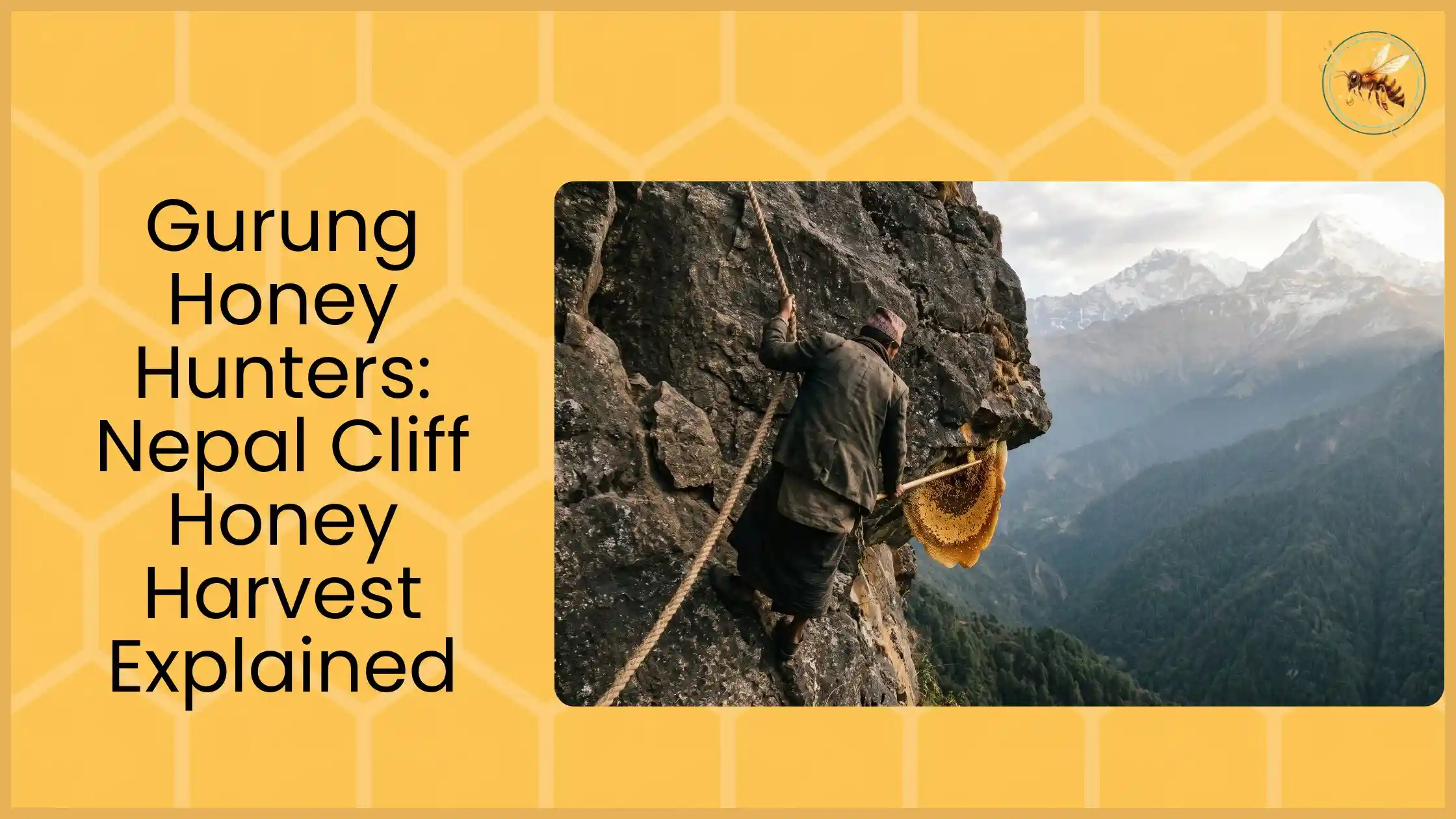
Gurung honey hunter climbing rope on steep Himalayan cliff face holding honeycomb with snow-capped mountain peaks visible in background

Gurung Honey Hunters: Nepal’s Cliff Harvest Tradition Behind Mad Honey

Gurung honey hunters are members of Nepal’s hill and Himalayan communities known for harvesting wild honey from giant cliffside bee colonies. Their work is closely associated with dramatic rope descents, smoky cliff faces, huge hanging combs, and the Himalayan giant honey bee, Apis laboriosa.  The practice is often shown online as an extreme adventure, but […]

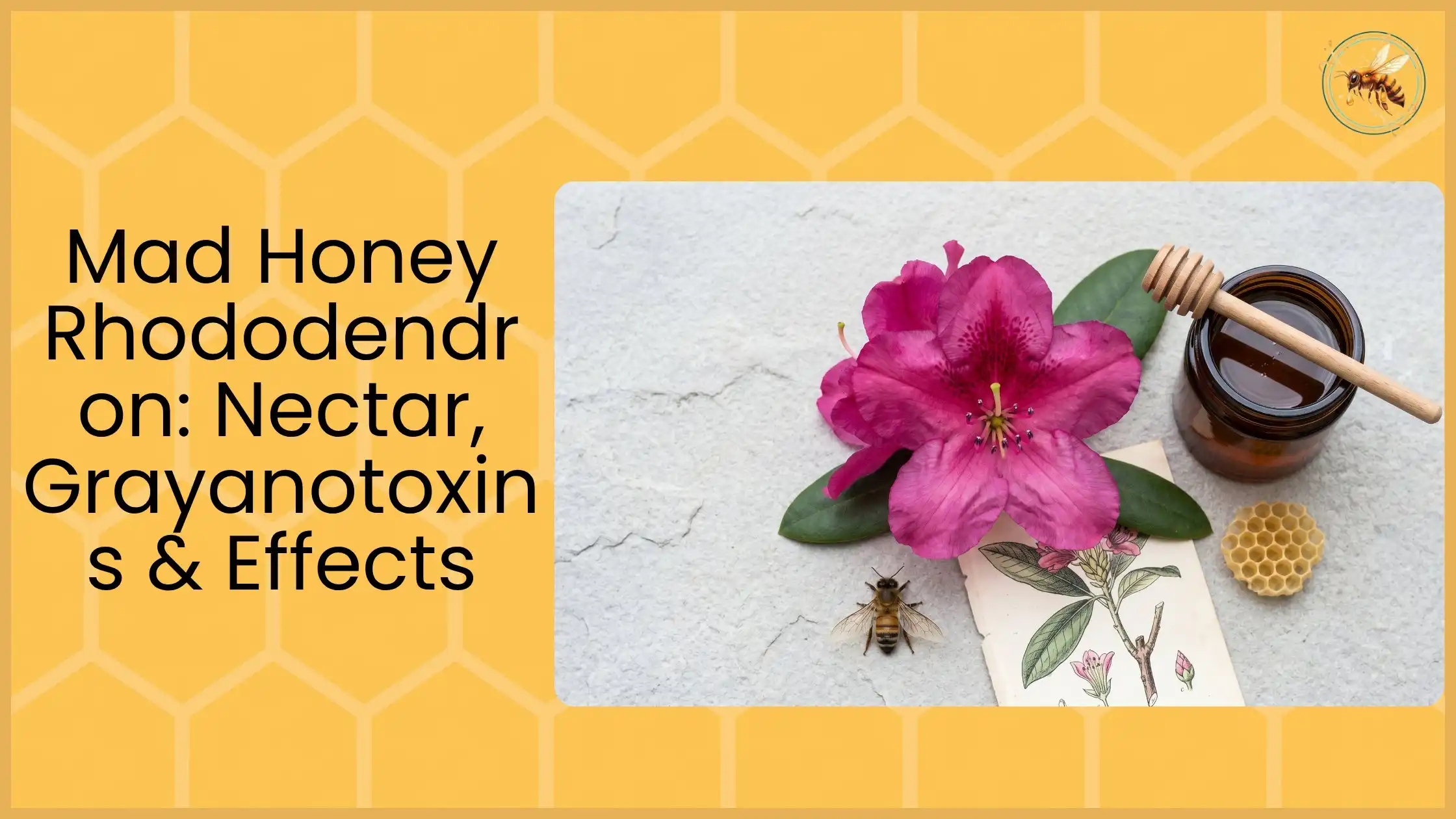
Pink rhododendron flower with honeybee on botanical illustration card beside amber honey jar, dipper and honeycomb on stone surface

Mad Honey and Rhododendron: How the Flower Creates Its Effects

Mad honey gets its name from the unusual effects it can produce, but the story starts with a plant: rhododendron. In the right regions, during the right bloom periods, bees collect nectar from certain rhododendron species. That nectar can contain naturally occurring compounds called grayanotoxins, which may remain in the honey and give mad honey […]

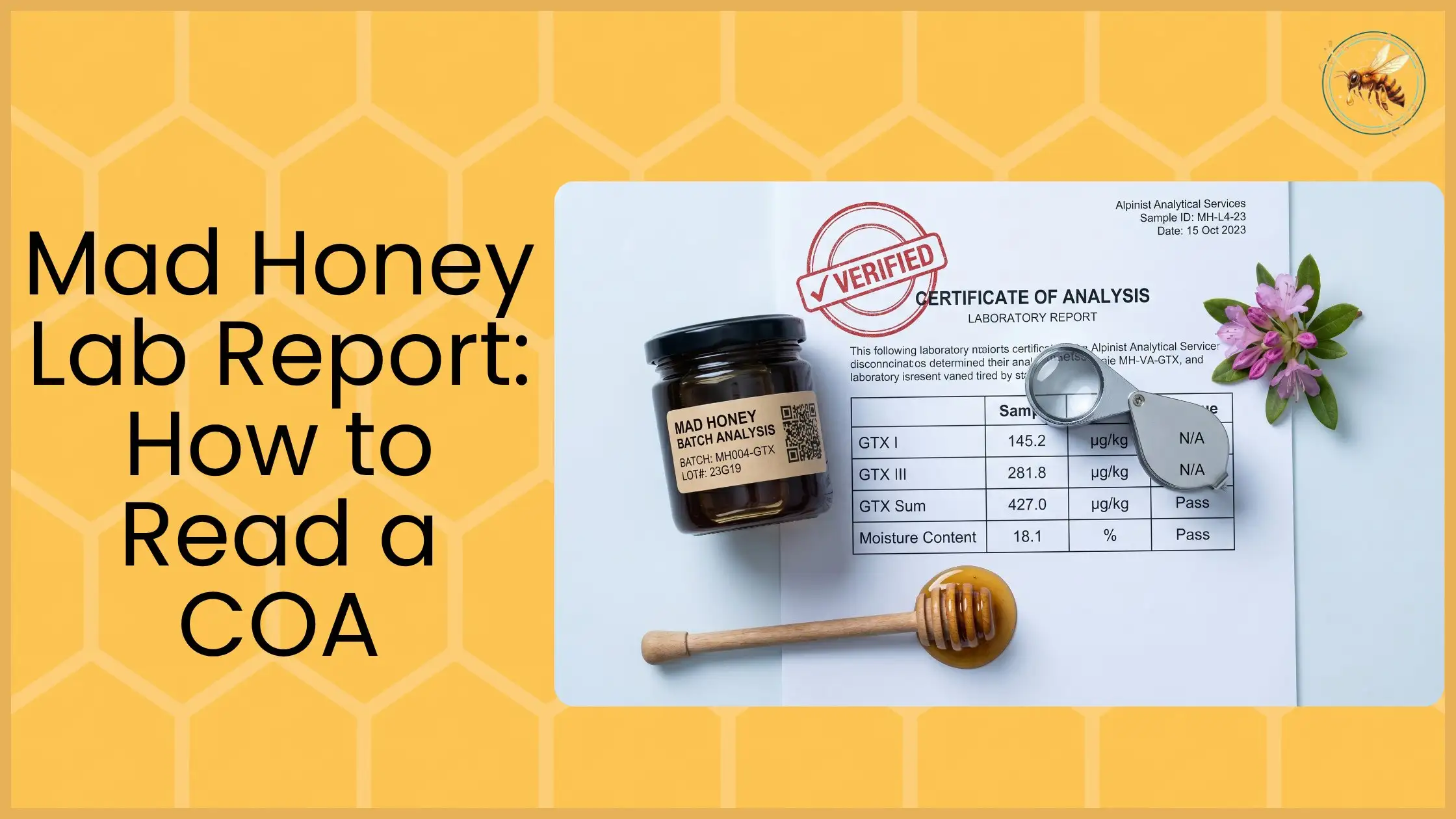
Mad honey certificate of analysis laboratory report showing GTX I, GTX III and grayanotoxin sum values beside honey jar, dipper and magnifying glass

Mad Honey Lab Report (COA) Explained: What to Look For and What the Numbers Mean

A “lab tested” label doesn’t mean much unless you can see a real, batch-matched report and understand what it says. With mad honey, this matters even more because the category is dose-sensitive and batch-variable, so you want proof of what’s in that jar, not a generic claim. This guide explains what a strong mad honey […]

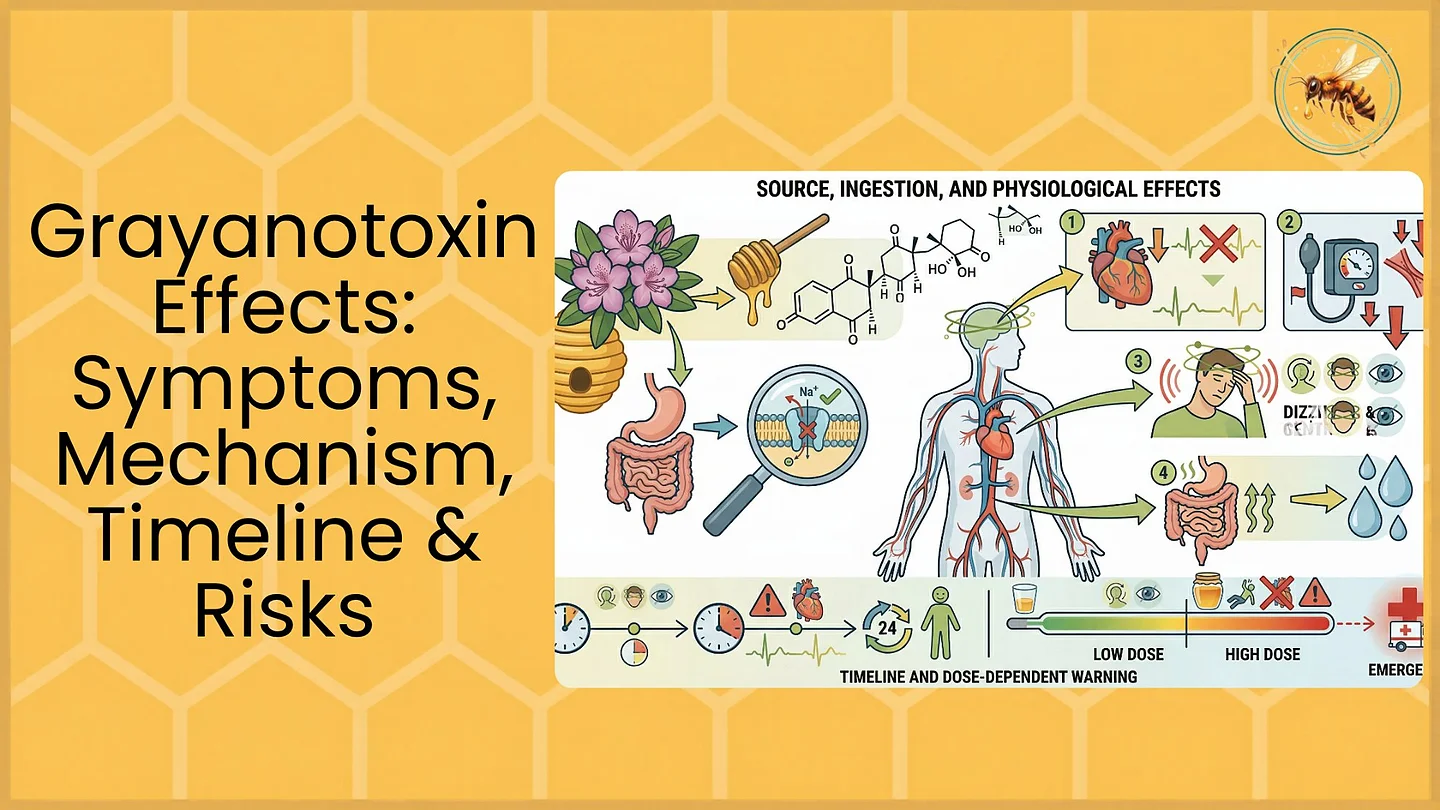
A detailed scientific infographic showing the source, ingestion pathway, and physiological effects of grayanotoxin from rhododendron flowers through honey consumption, with numbered symptoms including cardiac effects, dizziness, nausea, and a dose-dependent warning timeline at the bottom.

Grayanotoxin Effects: What They Do in the Body (Symptoms, Timeline, and Why Dose Matters)

Grayanotoxins are the compounds behind what most people call “mad honey.” They’re not a mystery ingredient, and they’re not a psychedelic. They’re naturally occurring chemicals produced by certain Rhododendron species that interact with how nerve and muscle cells fire, producing a very specific, dose-dependent pattern of effects. Online, the framing is often dramatic: “hallucinogenic honey,” […]

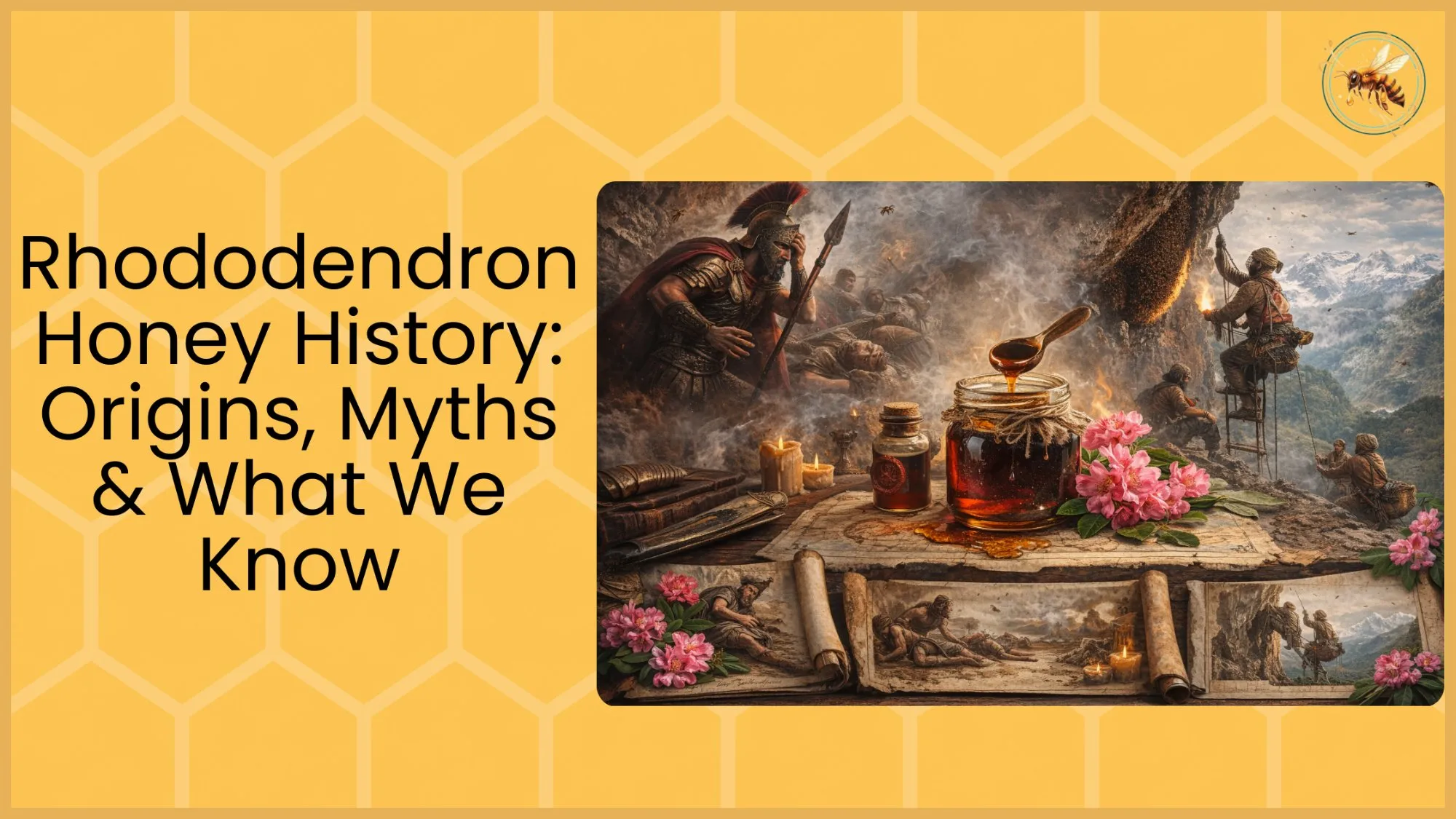
An ancient battle scene with fallen soldiers alongside a jar of dark honey on a stone table covered in scrolls and pink rhododendron flowers, depicting the historical origins of mad honey.

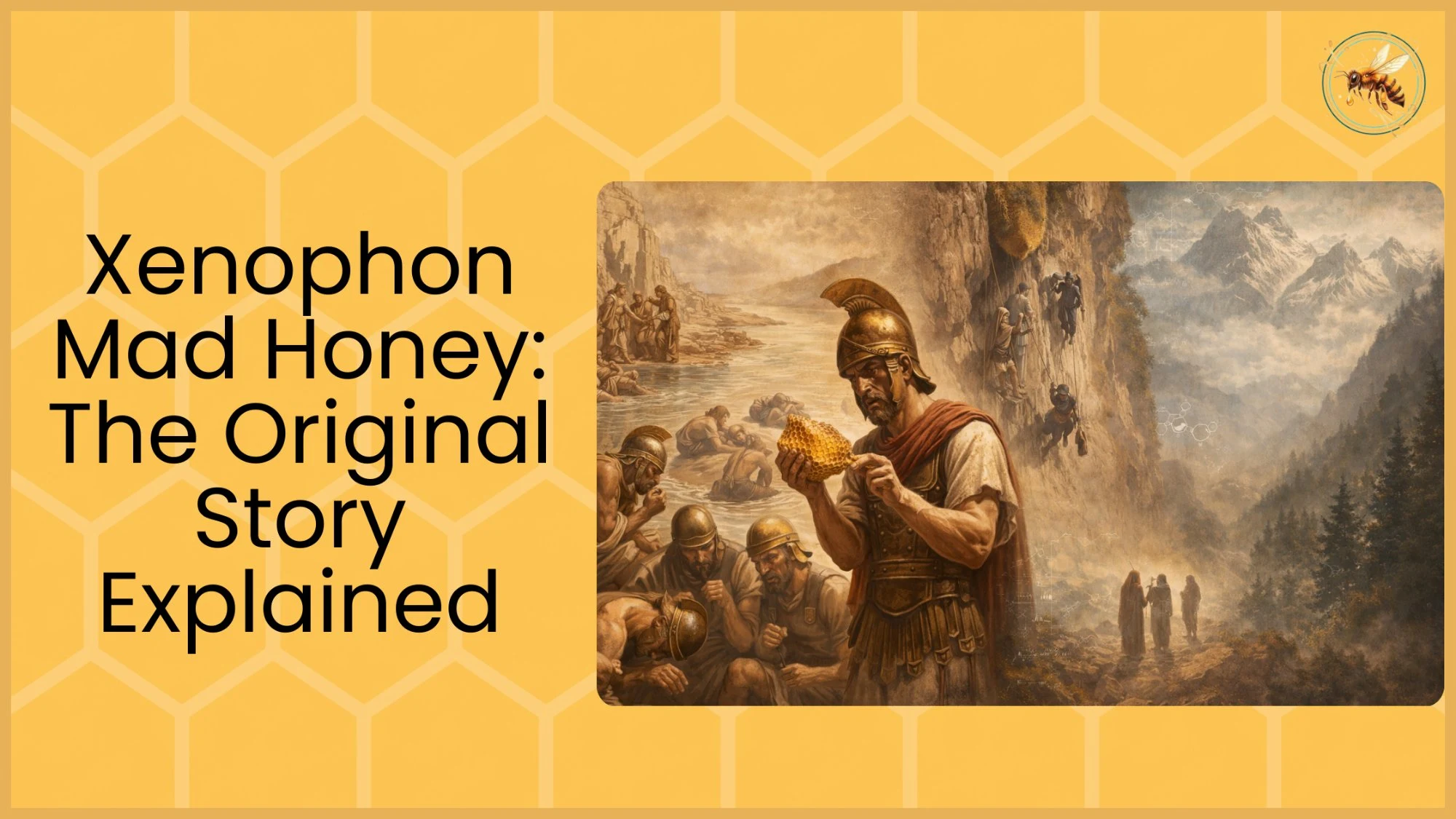
Rhododendron Honey History: Ancient Accounts, Regional Traditions, and How It Became “Mad Honey”

Rhododendron honey has one of the strangest “double lives” of any food. In some places it’s simply a regional honey tied to a specific flowering landscape. In others, it’s the historical backbone behind the internet’s favorite story about “mad honey,” soldiers collapsing, people “acting drunk,” and a product that feels half food, half folklore. The […]

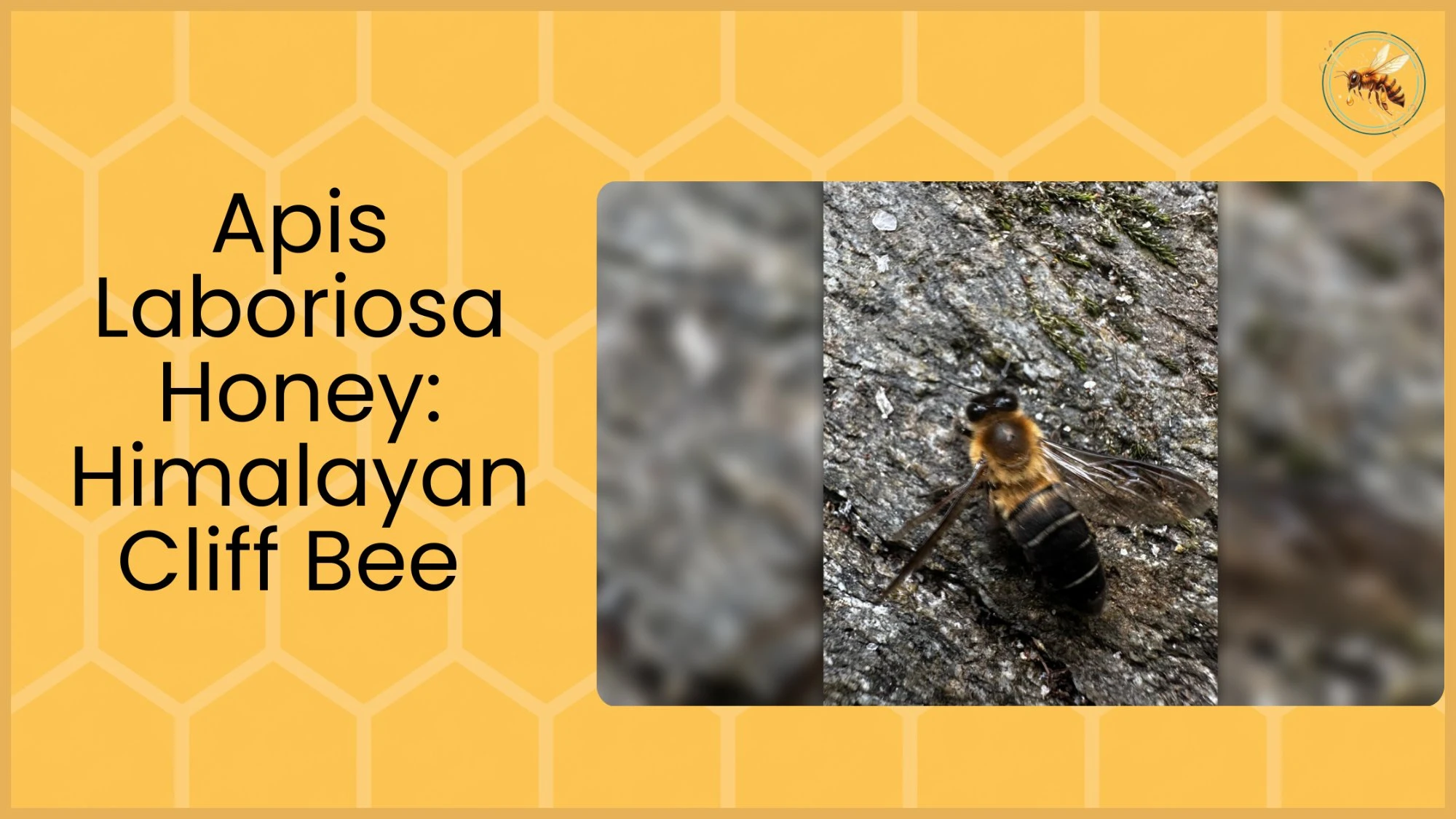
A close-up photograph of an Apis laboriosa Himalayan cliff bee resting on a rough grey rock surface, showing its distinctive black and orange banded body and translucent wings.

Apis Laboriosa Honey: The Himalayan Cliff Bee, Its Wild Honey, and How It Connects to “Mad Honey”

If you’ve searched “apis laboriosa honey,” you’re probably trying to connect three things that get mixed up online: a bee species (Apis laboriosa), a harvesting story (Himalayan cliff honey hunting), and a chemical/safety storyline (“mad honey” and grayanotoxins). They overlap, but they are not the same thing. Apis laboriosa is the Himalayan giant honey bee, […]

Explore all mad honey topics

Every guide on All About Mad Honey, in one place.